SIDNEY – A Tribute: part 5*

the master of anecdote…

In addition to his many talents, Sidney was a fine raconteur and a master of the anecdote. I related one of his most amusing military national service stories in an earlier post, but the Studio also offered up many hysterical moments, none of which my uncle enjoyed relating more than the story of the prize ram…

About 1969/70, British Woolmark (now Woolmark Company) hired Sidney to do a campaign for them. In his wisdom, the director of the first shoot decided that it would be a good idea to position a prize ram between two pretty models wearing the latest woollen clothes. This might have been a good idea, had it been a pastoral location, but he wanted it to be a studio piece. So, one prize Merino ram, and his farmer were summoned from deepest Sussex to Arkwright Road NW3. Even then things might have worked, had not the ram been brought straight from the muddiest, rain-sodden pasture, it’s fleece – the focal point of the shoot – caked in thick mud.
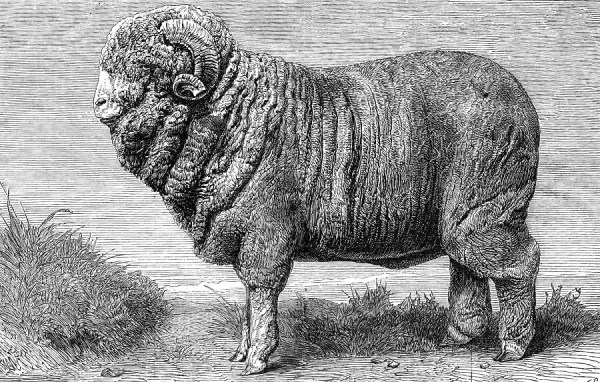
An old engraving of a Merino ram.

Sidney and his team had no option but to attempt to wash the ram, and with the farmer’s assistance, they managed to get the animal into the bathtub in Sidney’s flat – attached to the rear of the studio. However, the resulting bathe resulted in a drenched, grey woollen mat, rather than the snow-white, fluffy, pristine Merino fleece required by the director. Then someone suggested using a hairdryer to dry the sheep, which, after an hour or so actually worked but it still left the wool looking too dull. Then someone else had the brilliant idea to cover the ram with talcum powder. At this point, the farmer leant over to Sidney and warned him in his rich Sussex tones, “I should warn ye, that e do like to pass a bit o’wind…”.

The resulting photo session was a farcical nightmare: The ram was maneuvered onto the backing paper between the two models, donning their woolen finery. The talc, having got up the animals nose, caused it to sneeze and then fart. Every time it sneezed, a great cloud of talc filled the room like a fog. Every time it farted, a rich, pungent stench accompanied the fog, all of which caused the models to flee the room, choking and gagging. Then, the inevitable happened when the farting culminated in the ram evacuating its bowels – massively.

Somehow, eventually, the shoot was completed, with typically excellent pictures, of serenely smiling, elegantly attired girls, either side of a majestic, pristine and proud ram.

Unfortunately, I don’t have photos from the shoot to show here, but I do have another image which shows that The Studio could also be a place of intentional fun…
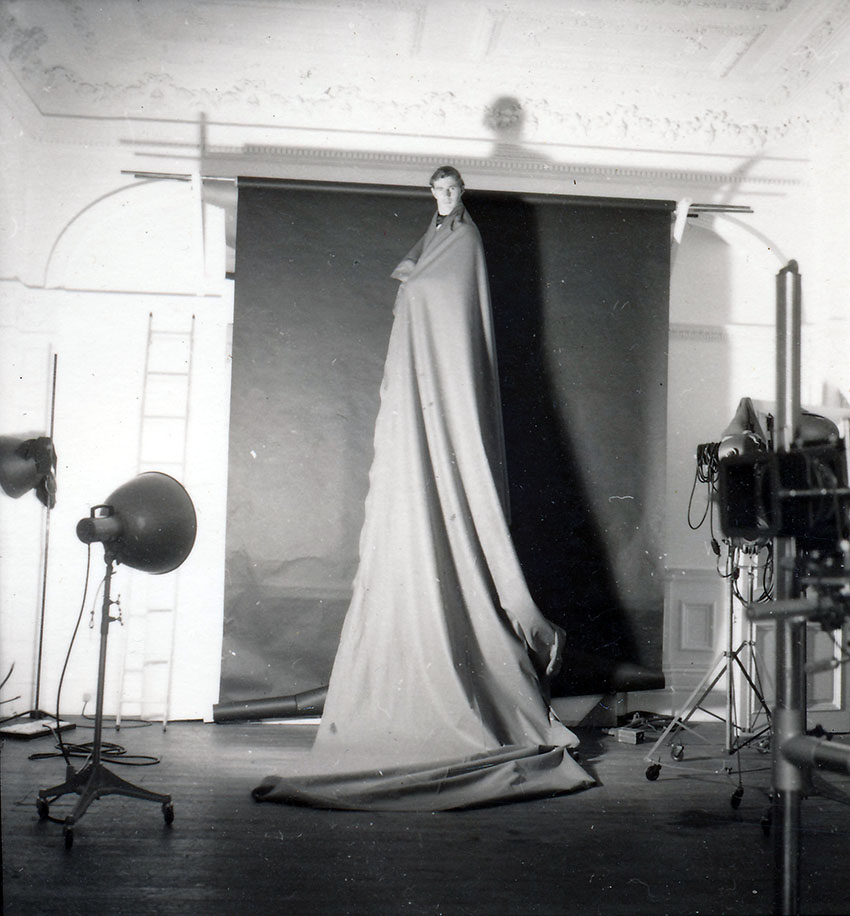
One of Sidney’s first assistants at the Studio was David Hendry. He was a tall man, but not quite this tall. This photo dates from around 1960.

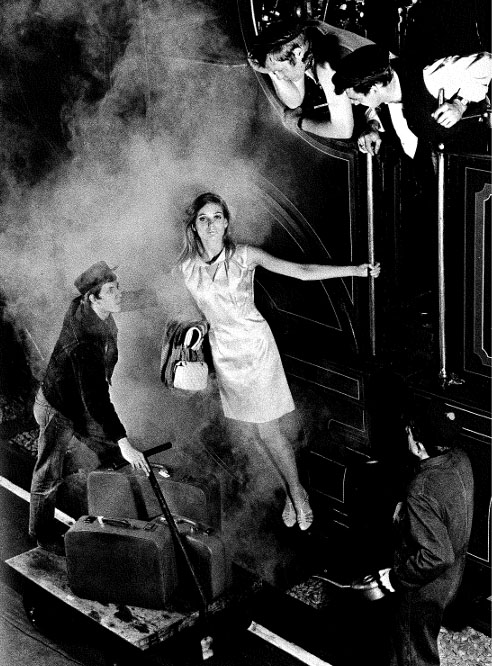
* The title picture of a typical location shot product of Sidney’s Studio of the stagier variety, from The Art Director’s Index to Photographers, 1970 edition. Sadly, I am unable to identify the model (all suggestions welcome!) or the brand. Even more sadly, I am unable to gain access to a whole load of Sidney’s and his colleagues material to share on this site, including many famous and culturally important images. Hopefully, one day they will get the exposure they deserve, if not here, on some other platform where their contribution to British and international advertising can be fully appreciated and even perhaps inspire future generations of photographers and advertisers. I feel sure that this is what Sidney himself would have wanted and it is the legacy he deserves…

SIDNEY – A Tribute: part 4*

From 1960 until 1975 “The Studio” was a hive of photographic activity. A seemingly unremarkable corner of NW3 (where Arkwright Road meets Frognal, to be precise) became the scene of remarkable commercial and artistic creativity. Some of the UK’s, Europe’s and even some of America’s most iconic advertising images of the era emerged from this most unflashy and unpretentious of locations. Sidney and his gifted, happy team produced a stream of pictures that encapsulated Britain’s mood shift away from dull, post-war straight-lace to swinging 60’s cool and verve.

My older brother Michael in a magazine ad for a-then-state-of-the-art Creda clothes dryer. We can imagine the caption that went with the picture

Moreover, their work didn’t merely reflect the prevailing trends but often set the tone of the times with a stream of iconic (a massively overused word, but not in this case), highly innovative and enduring images.

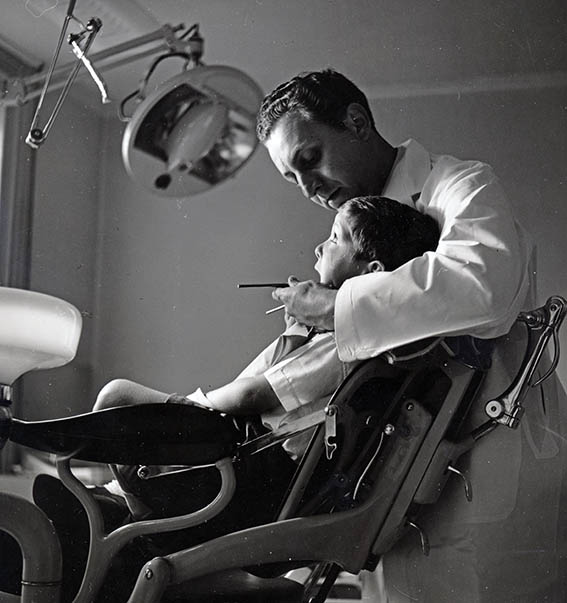
Sidney the model for once, at his dental practice, with Michael in the chair. My father Gerald Green was the art director of the shoot, and he probably took the photo. In the early days of the studio, Sidney got a lot of work through Gerry (as he was known then) and his partner Bill Young’s agency (Crane Advertising), which in turn received a lot of government sponsored commissions. This was part of a campaign to promote dental health in children…

Famous female faces to grace the Studio included Pattie Boyd (future wife to George Harrison, then Eric Clapton) Nancy Edgerton, Sandra Paul (now Howard), Joanna Lumley,  Celia Hammond, Julie Bishop, Adele Collins, Ann Kerr, Paula Heyworth, Jeanette Harding, Anya Sonn, Tammi Etherington, Davina Taylor, Biddy Lampard, Christine Williams, Julie Bishop, Pat Knight and Margaret Lorraine. Among the male models were Ken Swift, Geoff Wooten, George Lazenby (later 007), Pip Perkins, wrestler, Jackie Pallo and Norman Lambert .

The Green family in another government sponsored ad for family planning, and The London Rubber Company (through the use of Durex). The poignant story behind this photo can be found in an earlier post…

In addition to Sidney and Co’s classic fashion shots, they gave 1960’s Britain an original and often defining glimpse of everything from Danish Bacon, Guinness, Heineken Lager, Paxo Turkey Stuffing, Carr’s Water Biscuits to Max Factor roll-on deodorant (and dozens of other products besides).

An ad for Selfridges boys shirts – in addition to all his many other activities, Sidney was staff dentist at Selfridges for over 30 years. This resulted in him doing much of their ad campaigns in the 60’s and 70’s, and, best of all, being given a lifetime 33⅓% discount card on all products – including sale goods. Being leant Sidney’s card was one of the most sought after perks by all those who worked with him and for him (including his family members such, as Michael and I in this shot)…

Apart from being a seriously good fashion photographer, Sidney was a master of head-shots and a genius with still-life. Long before “food styling” was a thing, Sidney’s food and drink ads in particular were masterpieces of light, colour, depth and shade, often setting benchmarks for all those that followed.

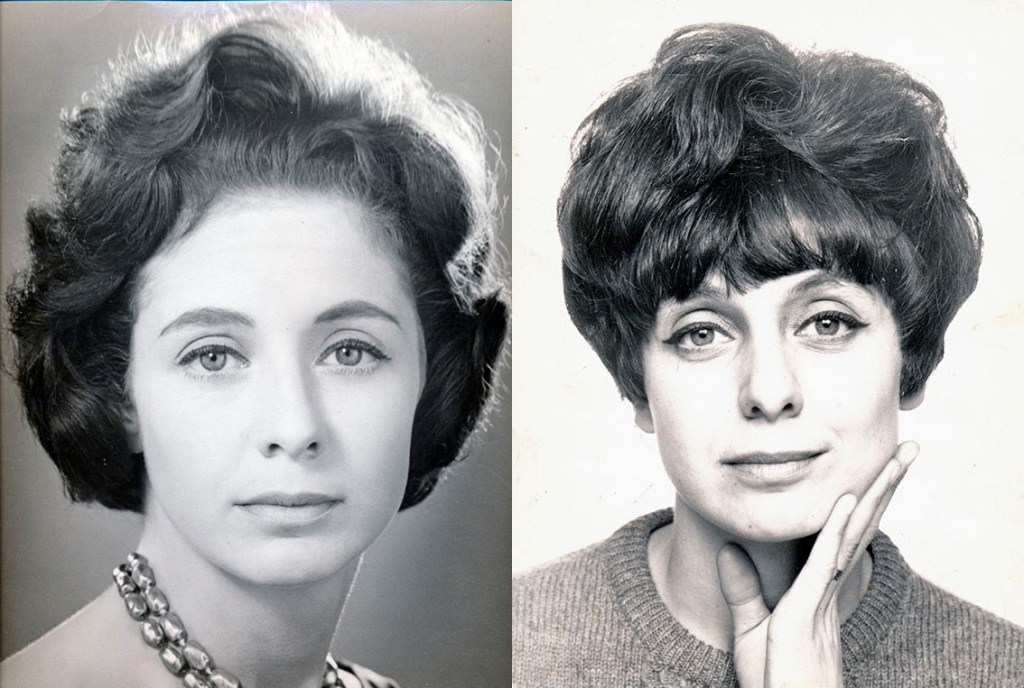
Hannah standing in for a model on a Max Factor shoot on the left, in 1964. The photo on the right dates from 1967, but I can’t recall what it was for. From my recollection models were often late for work, and I think mum was pulled in on at least three occasions for headshots like these…

Unfortunately, I do not have access to much of Sidney’s professional portfolio, and much of the material I do have, I do not have the rights to reproduce here. Nevertheless, I am fortunate to own all of Sidney’s work for which I, and other family members were the models. And, while some of these images will be familiar to regular readers of these posts, there are also one or two charming surprises which give at least a flavour and the atmosphere of the Studio’s output in the early-to- mid 1960’s.

I think this was the final time I modelled for Sidney, about 1967. I know the baseball boots were mine, so I’m presuming that it was for the clothes.

SIDNEY – A Tribute: part 3

the team behind the scenes…

When I began this series of posts on Sidney, I had originally planned to do just three, but since then I have had the privilege and the joy of reconnecting with several of his old colleagues, assistants and models, from the days when he ran one of London’s top advertising photography studios. Subsequently, I now have far more material – anecdotal and pictorial, than when I started out on this mission, and so this will now be number 3 of 5 posts in total.

The most striking – not to mention moving element of this process has been how each and every person I have been in contact with has had nothing but warm memories and kind words about Sidney and their time working at “The Studio”.

This post offers a small, illustrated, behind-the-scenes record of those exciting and pioneering times…
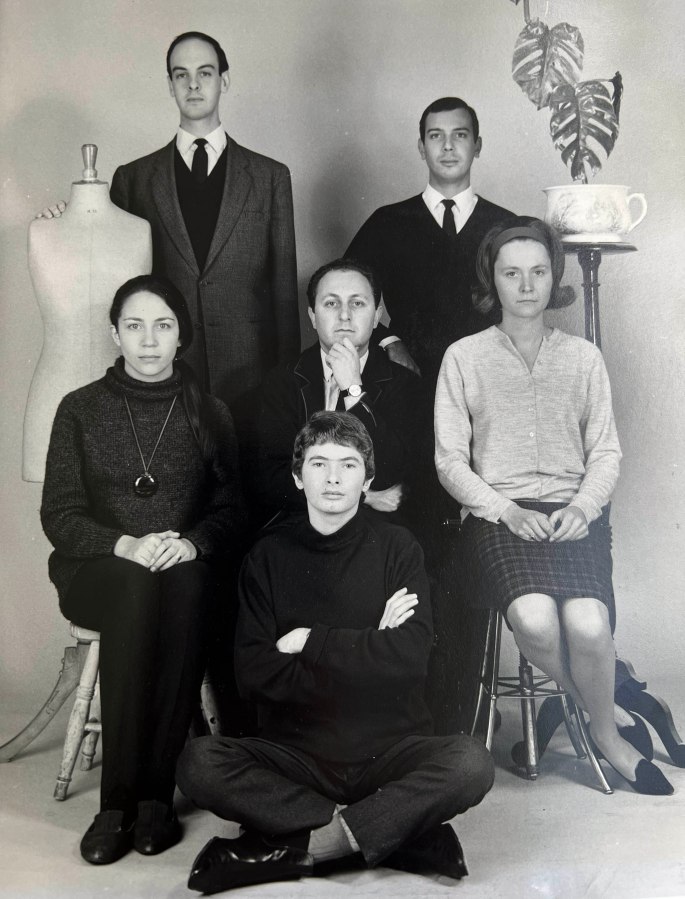
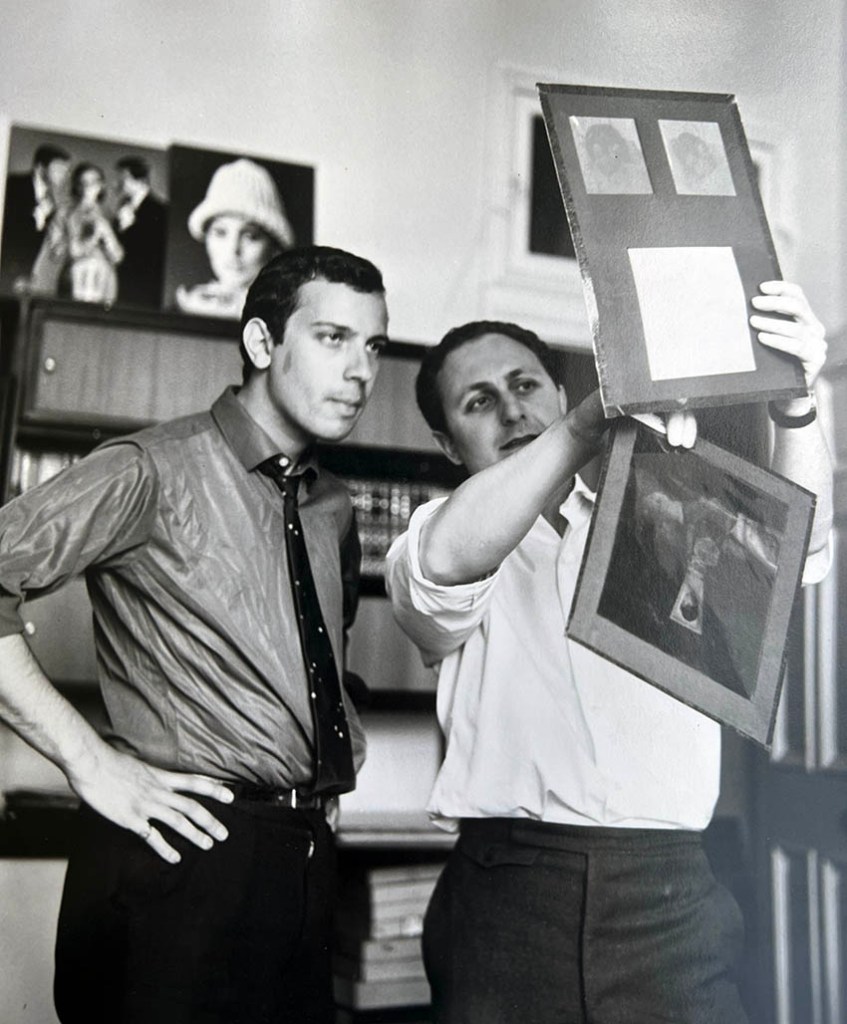
An early publicity shot of Sidney and his team (1964 – taken using a timer): Edgar Asher (TL), Henry Sudwarts (TR), Doreen Dahl (CL), Sidney (C), Faith Hollings (CR), Lawrence Sackman (F). Edgar was extremely tall and thin, and is the only person I know to break their leg playing the violin. He was a fine photographer in his own right and went on to work for the Israel Press and Photo Agency. Lawrence – the youngest of the group – learnt his craft well, and went on to a successful career in art and erotic photography, working with Guy Bourdin and Helmut Newton. More on the others below…
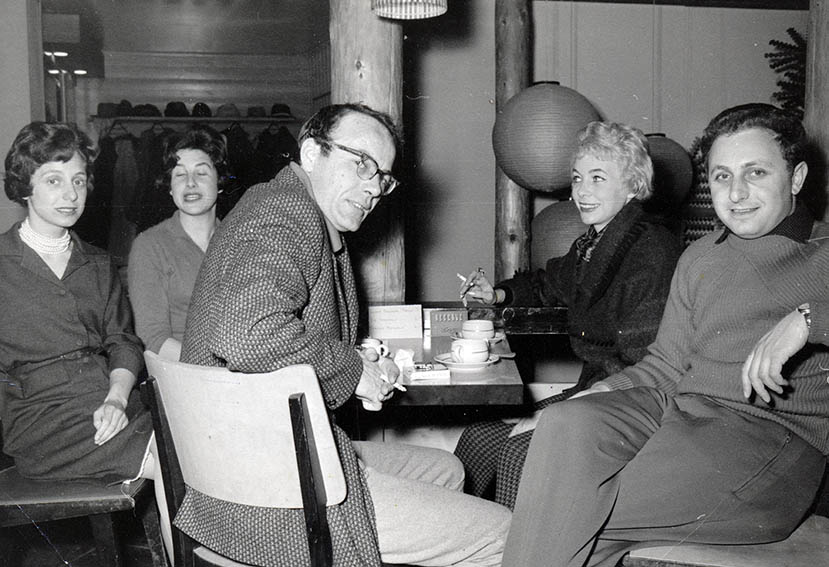
Probably taken by my father, Gerald Green (1960), this shows Sidney with Bill Young and my mother Hannah (far left – Sidney’s sister – and I’m presuming that the two other ladies were accompanying Sidney and Bill). Bill was my father’s partner and became good friends with Sidney. In addition to being an add-man he was also a darn good artist. Two of his gorgeous large oil landscapes adorned my childhood home and strongly influenced my own painting style…
Sidney with Henry Sudwarts, who contributed this and several others of the photos shown here and has some interesting recollections from his time at the Studio. Not only did he get to drive Sidney’s prized Alvis motor car, he also remembers a “Dell Boy”* -like handyman who used Sidney’s basement to stash away contraband cigarettes and radios off the back of a lorry! Henry too branched out on his own in fashion photography before moving into TV in Israel. Having married a South African in 1980 he then moved to Cape Town, where after 30 years working in things as diverse as jewelry and tourism, he picked up a camera again and became an acclaimed wildlife photographer . .
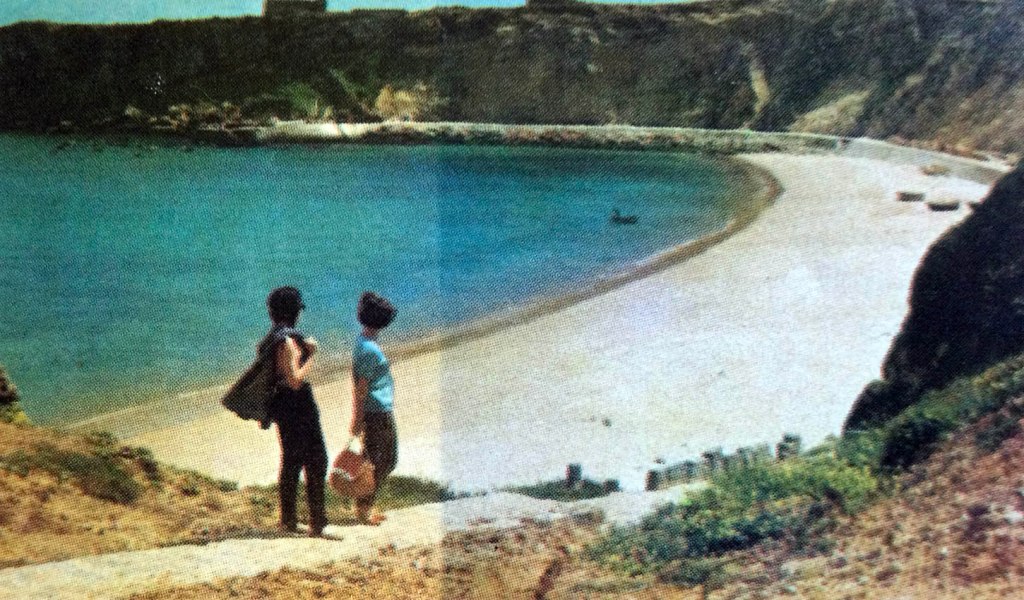
Doreen (left) and Faith from a mid-1960’s shot for BEA (British European Airlines) taken at Sagres on the southern Algarve of Portugal. The main purpose of the trip was a job for Women’s Own Magazine, and the girls were both assisting with the shoot. Faith, whose memories and information have been invaluable to me in compiling these posts, was one of Sidney’s photographic assistants. She has something interesting to say that “to his credit Sidney employed me as a photographic assistant even though I am a woman. Women of my age had to fight to earn a place in a male dominated profession and I had spent three years learning my craft at Guildford School of Art under the the wonderful Ifor Thomas, who was head of the Photographic Department.” Faith now lives in Portugal where she works for an animal charity
Henry with Doreen . Doreen was Sidney’s secretary (or PA in today’s terminology), and also an aspiring classical timpanist. Faith and Doreen became friends, and she would sometimes help Faith with photographic duties, including setting up a darkroom on travelling shoots, such as the one above in Sagres. My mother, who did additional secretarial work for Sidney, also became very fond of Doreen. Sadly, I haven’t yet discovered what has become of her or her timpani playing?
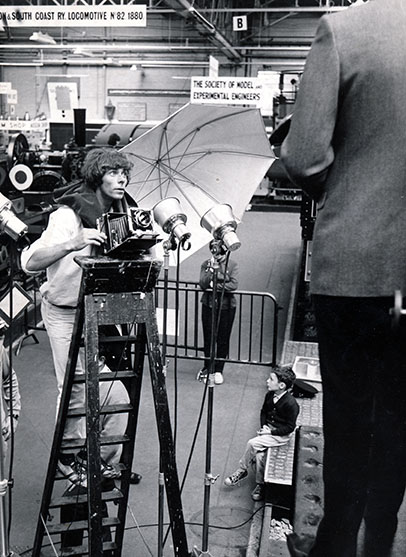
One of Sidney’s later assistant photographers was Peter Watkins, pictured here on a shoot at the London Transport Museum in London’s Covent Garden. Peter also went on to have a successful career as a fashion photographer. The young chap seated is yours truly. During school holidays I often got to watch shoots, but this one stood out for the fact Peter drove me there in his open topped MGB GT – my first time in a convertible sportscar. Other notable photographers and set technicians who worked for and/or with Sidney from 1960-1975 and who also helped me with my research, included Brian Jaquest, Derek Berg and David Hendry.

*For those reading this not acquainted with the long-running British sitcom, “Only Fools and Horses”, Del Boy was a spiv (someone who deals in dodgy and black-market goods), and the program’s main protagonist.

SIDNEY – A Tribute: part 2

A portrait of a family

Around late 1959, early 1960, my father, Gerry Green and his business partner, Bill Young launched out on their own as an advertising partnership. They had plenty of contacts in the industry and thus plenty of work, but soon found that the price of good photographers was prohibitive to the success of their burgeoning venture.

Fortunately, Gerry’s brother-in-law, Sidney Pizan, in addition to being a dentist, was a talented amateur photographer, and when approached was open to the idea of trying his hand at applying his skills commercially.

Sidney took to advertising photography like a duck to water, and within a few months, had established himself in Hampstead (in north London) as a professional photographer, getting more work – both from Gerry and Bill, and his growing string of contacts – than he could manage alone. Before long Sidney began recruiting other young aspiring photographers, apprentices and assistants to help him carry the workload and run his business. “The Studio”, as it was known, became something of a commercial photography academy, founding not only Sidney’s career, but those of a string of gifted colleagues.

In my next part of this tribute to my late uncle, I will go into more detail regarding Sidney and his team’s output of fabulous advertising images, but for Sidney himself, despite his success, his greatest creative enjoyment remained his “free” or “casual photography”.

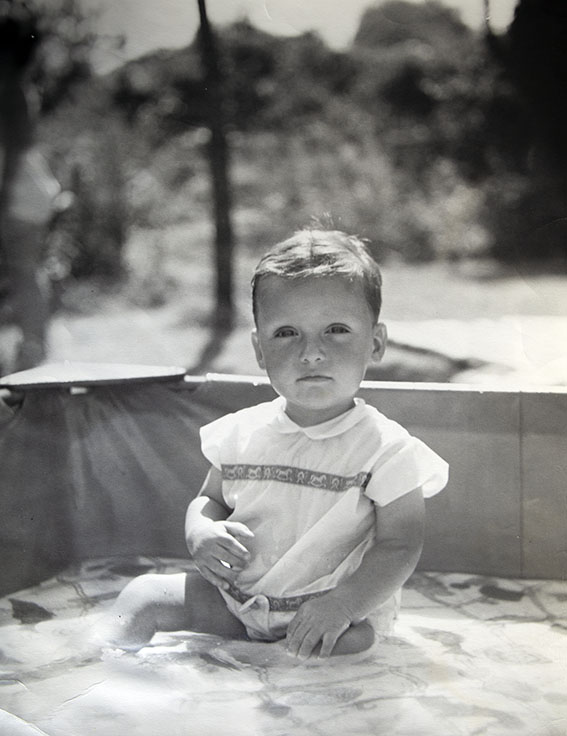
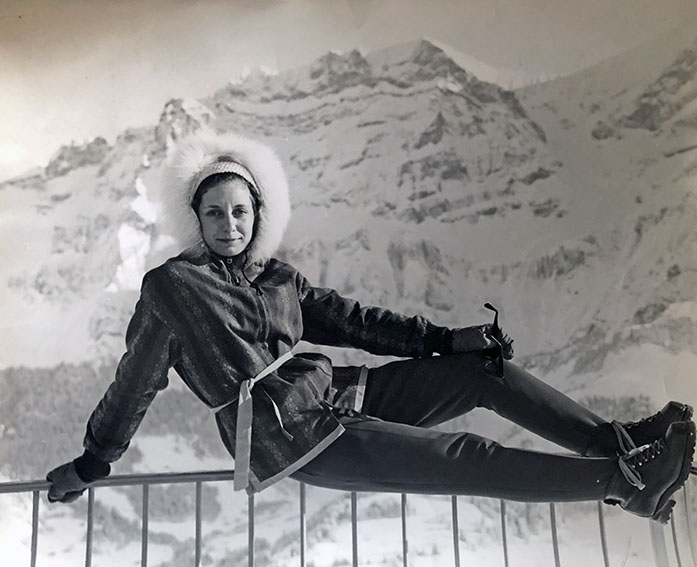
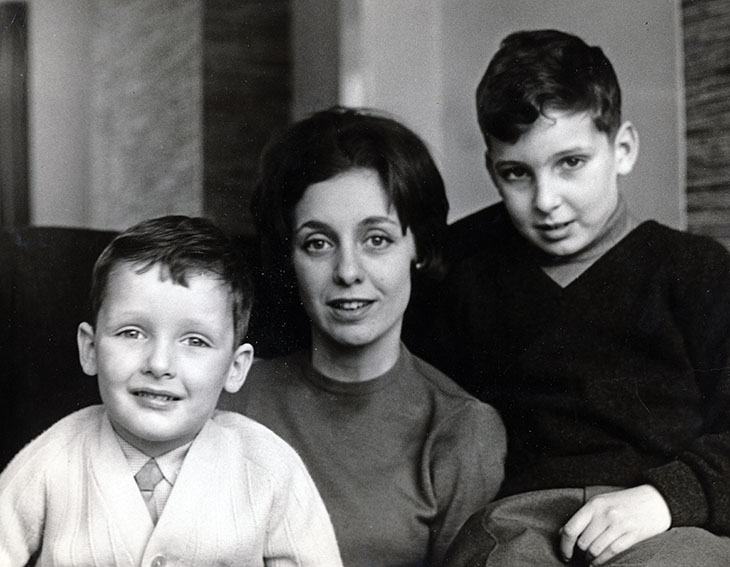
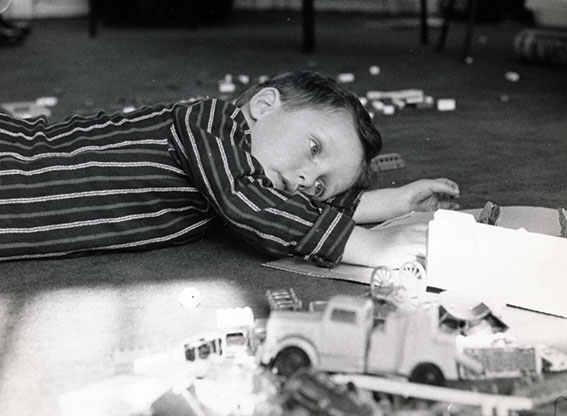
Presented below are some of his best pictures, all of his family (particularly my mother – his sister – Hannah, my older brother Michael and I). If this seems a tad narcissistic on my part, I should point out, that we – his parents, and us – were the epicentre of his life, outside of his professional lives – and were, in a very real sense, his photographic muses. In those days, when out and about or when visiting the Studio , I can’t remember a time when Sidney did not have his trusty Rolleiflex hanging from his neck and him pointing it in our direction. Narcissistic or not, these images are moody, emotive, sensitive, an intimate family portrait, and just a damn brilliant illustration of the photographic portraiture and human study at its very best…

Sidney’s sister (my mum) Hannah, taken in 1960, shortly after being deserted by my father (Gerry the advertising man). I love the way this shot captures her sad dignity…
Sidney’s nephew (my big brother), Michael, in from the garden for a snack…
Me…
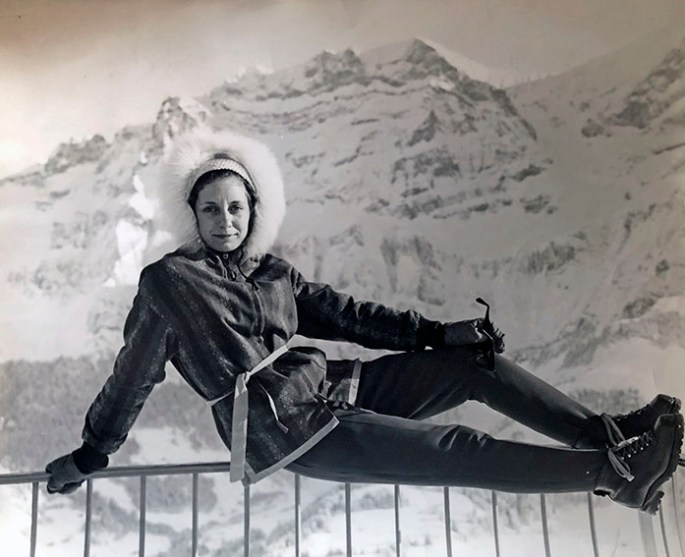
Hannah at Adelboden (Bernese Oberland, Switzerland, and much used in Bond films) – our first family holiday abroad in 1962…
Us three…
Adam, playing…
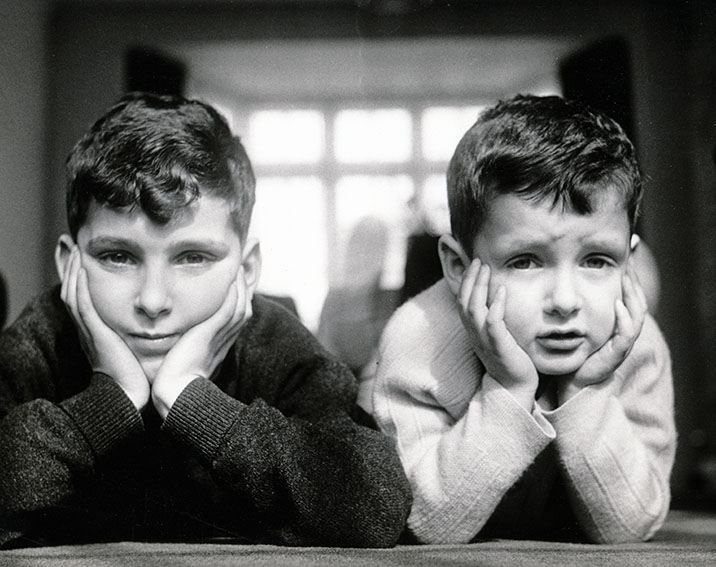
Brothers…
Hannah, happy and beautiful…
Hannah with me in the South of France…
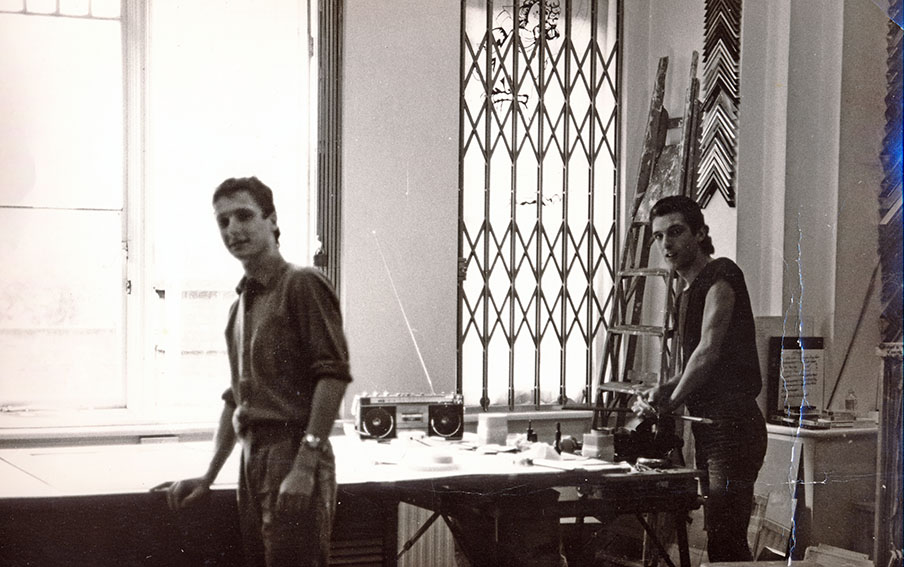
After Sidney retired from commercial photography (in 1975), he turned the studio itself into an up-market picture framery. This was the last photo he ever took of Michael (right) and I together, working in the framery – about 1985.

SIDNEY – A Tribute: part 1

The making of the man…

Of all the people I have ever encountered who should have been famous, but were not, my uncle Sidney Pizan, who passed away in December aged 94, is the greatest example I can think of.

Immensely intelligent (declared a genius upon entering grammar school aged only nine); a brain equally at home in the sciences and the arts; a star medical student at London’s University College Medical School; a gifted and highly successful commercial photographer; picture framing entrepreneur; a multi linguist fluent in six languages; plus, a discerning antiquarian bibliophile and all-round connoisseur and collector of the arts with an internationally respected knowledge of Art Nouveau, Sidney was the epitome of a renaissance man.

Moreover, hailing as he did from humble Jewish origins in London’s East End, the son of shopkeepers, Sidney lived a sort of British version of the American Dream, proving, that with a rich combination of nouse and grit, the sky was virtually the limit… I say virtually, because Sidney’s medical ambitions at least were curtailed by a shameful quota on Jewish medical students permitted to become doctors, meaning he had to settle for dentistry (chiropody and ophthalmics being alternative options). That notwithstanding, the only thing that stopped him going on to true fame and fortune was his own lack of hunger for any such things.

At least until his fifties, as regards his profession/s, his pastimes, his social and his family life, Sidney enjoyed a contentedness which perhaps, in a way, dampened any greater ambitions he might have had. Then, following his belated discovery of a partner, and then later wife, he discovered another level of contentment. Ultimately, Sidney was happy as anyone reasonably can expect to be with his lots, firstly as a bachelor and then later with a far quieter, settled existence.

The pictures presented here, show Sidney as a child, mostly together with his younger sister (my late mother, Hannah), and take us up to the time just before he became a professional photographer – a period comprising about 25 years. I hope, and think, that even for strangers looking in on this post, they offer a charming window into a lost world…

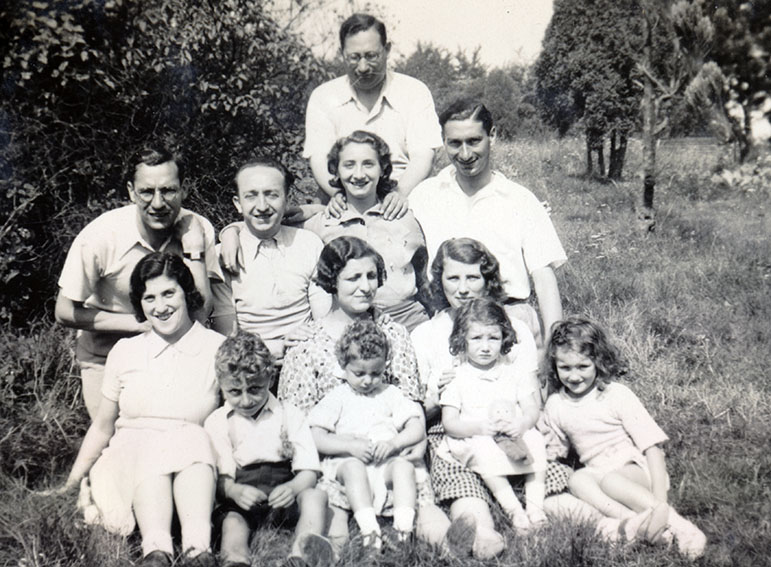
A family outing around 1935, perhaps in Epping Forrest. Sidney is the boy with the blonde curls in the front, with his little sister (my mum) next to him, on their mother’s lap (Becky). Their father, Harry is the chap kneeling, second from the left. At this time they lived in the Mile End Road in Stepney, East London. Harry was a grocer and they lived above the shop. Despite their modest means they enjoyed life and wanted for nothing, as I think the glow radiating from this happy assortment of cousins, uncles and aunts clearly reveals…
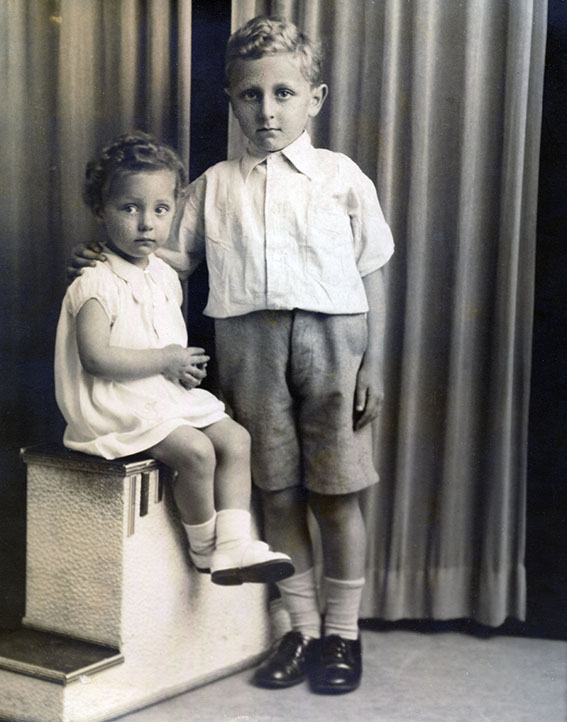
A formal studio portrait of Hannah and Sidney, circa 1936
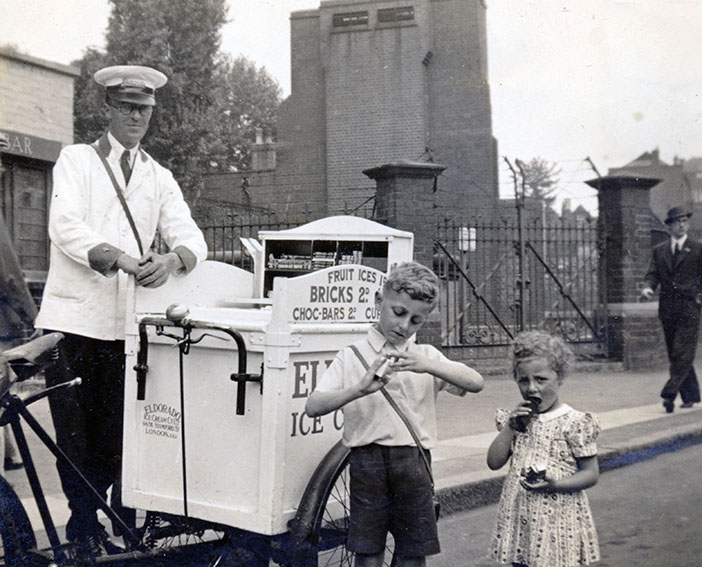
Sidney and Hannah enjoying a treat…
A school sports photo taken about 1948. At the height of the London Blitz, Harry moved the family to the north-London suburb of Hendon, to avoid the worst of the bombing. Sidney (back row, third from the right) and Hannah (front row, fifth from the left) both excelled at the local grammar school, Hendon County. The headmaster, Maynard Potts declared Sidney the second cleverest student ever to attend the school (the cleverest being Sidney’s classmate, Lionel Blue – later to become a radio celebrity Rabbi on the BBC – standing third from right with spectacles – I think).
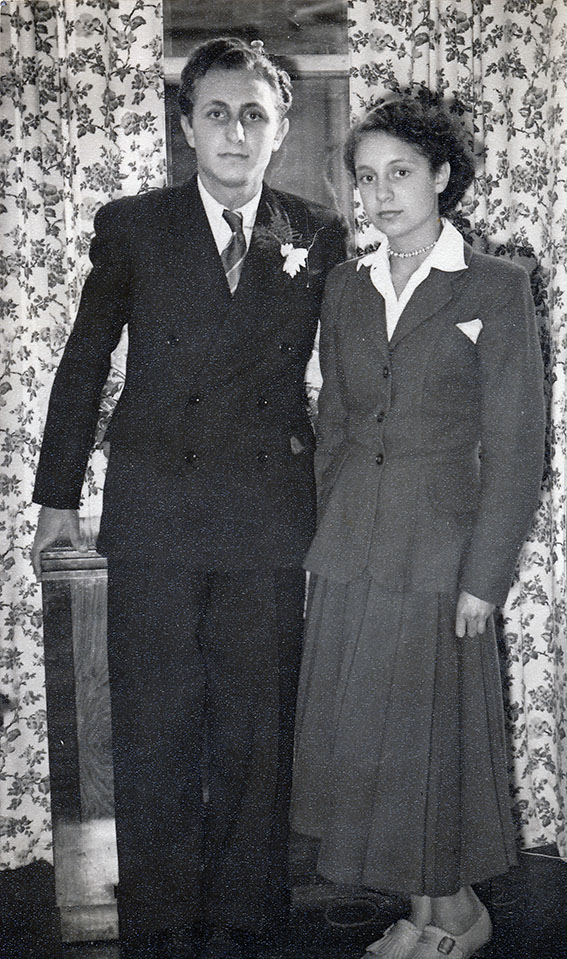
Brother and sister around 1949, shortly before Sidney began his two years national service.
Sidney in his first dental practice in Ecclestone Street, Victoria, in central London.
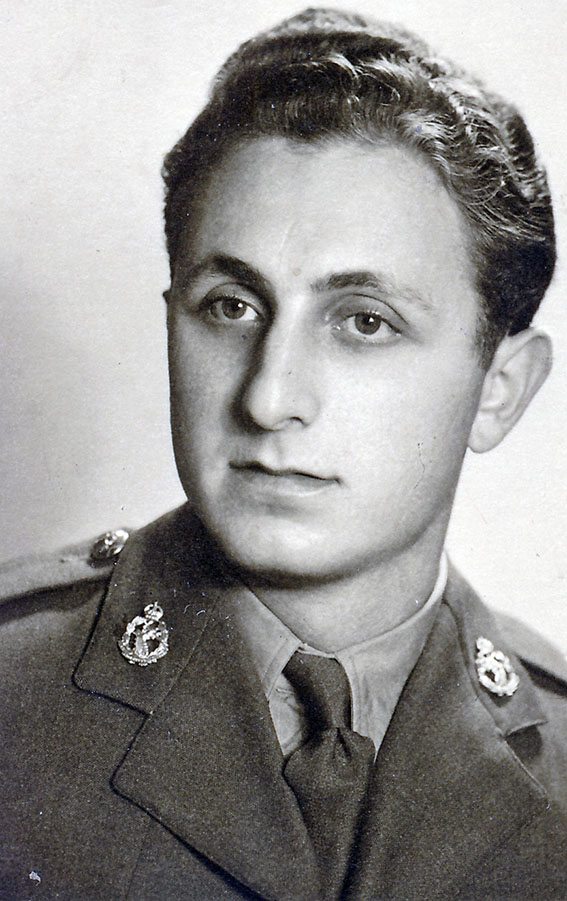
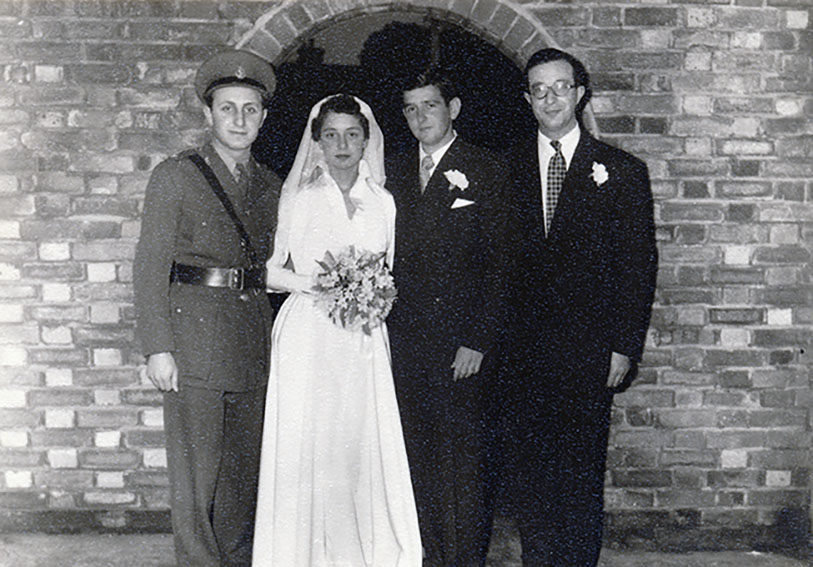
Captain Pizan (Sidney was an officer in the medical corps – stationed in a schloss in the Black Forest, Sidney spent most of his time learning to ski, drive and taking care of the castle’s substantial wine cellar – he also became fluent in German) attending Hannah’s wedding to my father, Gerald Green in 1953. Gerry, as he was known then, ended up in advertising, and it was he who persuaded Sidney to do commercial photographs for his company, thus beginning a whole new chapter in his life…
…to be continued…

Hamilton – the Nudical…

A real-life “Carry on Camping

Regular and long-term readers of this blog might remember a post I did a few years ago about my wife Dido’s part-time career as a model, and in particular, her role as the National Savings girl. Her modeling work coincided with her then-main career as a classical ballerina – a subject I have also covered at some length on these pages.

However, there are a couple of interesting and amusing facts and anecdotes related to Dido’s modeling which I omitted to mention previously.

This shot was used for the National Savings calander

Firstly; the fact that she fell into modeling accidently, when spotted and then approached on a street in Barons Court (in west London – near the Royal ballet School) by an advertising agency scout. And secondly; the resulting story behind perhaps Dido’s most high-profile photographic shoots, also for National Savings, in the naturist colony of Cap D’Adge in the South of France.

In truth, the story of Dido’s time in the colony is as much farcical as amusing , stemming from the fact that her employers at Dorland (the agency then working for UK National Savings) were unaware of the fact that they had sent her to a nudist village for the shoot.

We believe this was the picture used for the “People Like Me” series of National Savings posters and ads…

Dido’s blissful ignorance of her impending sartorial dilemma was soon disabused when she entered the establishment by several welcoming scenes, none more surprising than being greeted by the photographer himself “déshabillé”.

One might have thought that the fact the photographer was none other than David Hamilton*, famous then for his soft-focus depictions of young, often naked girls, and for directing and photographing the hit film, Bilitis (erotic or softly-pornographic, depending upon one’s sensibilities) just a year or two earlier, might have raised some alarm bells, but apparently not.

As a confirmed non-naturist, Dido got around the compulsory nudity policy of the colony by convincing both Hamilton and the management that it was imperative for her to remain fully clothed at all times to avert the risk of tan lines on her skin.  

When the Dorland team turned up for the main shoot the next day, they were similarly discomforted as their model (an angry Dido having decided not to warn them), a circumstance that led to a whole load of hilarious situations during the course of their stay – tan lines not being an available excuse for the director and his crew!

This was not from the official shoot, and just a bit of fun, and interesting, among other things for it being a very rare – if not unique – example of Hamilton not using soft focus.

Sadly, I’m not at liberty to divulge more than these barest details (pun intended), but one can imagine the sort of crazy scenarios that arose. Fortunately, despite everything, the shoot was a sucess as the very pretty photos presented here confirm.

*Hamilton’s now infamous reputation was unknown to everyone at Dorland at the time of the shoot, and he behaved with total decorum and professionalism toward Dido, both when dressed and disrobed.

Three different “daddies” for the daddy-less child…

My “first career”, MODELLING rubber products and other things…

In an earlier post I wrote about my wife Dido’s work as a model during her time in the ballet. What may be much more surprising for many of my readers and followers, is that I too had a brief career in front of the Hasselblads and Rolleiflex. For the first four or five years of my life, I was an occasional child model. In my case however, unlike my gorgeous wife, it was less to do with my photogenic qualities and more to do with the fact that the photographer in question was my mum’s brother, Sidney Pizan.

While the fact I was a cute baby and toddler (well, it’s true) was undoubtedly helpful, the main advantage for an aspiring commercial photographer based in the highly competitive world of 1960’s London advertising, was the fact my services came for free! The pictures here offer a record of what was in effect, my first career, and looking back at some of them now raises a whole gamut of emotions for reasons explained in the captions…

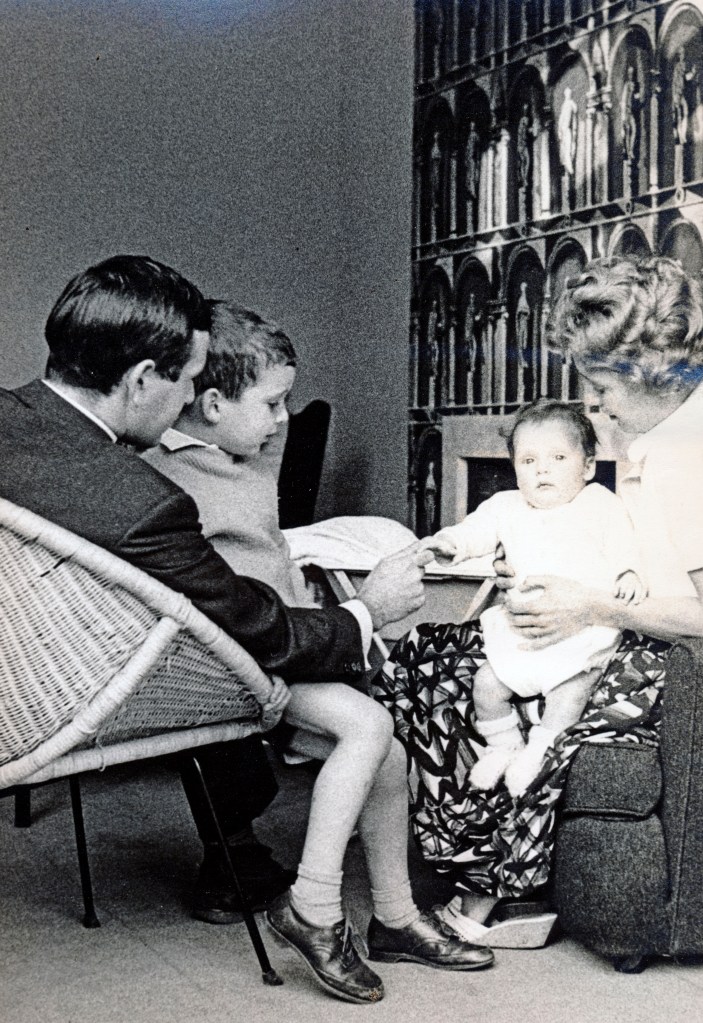
The man in this photo is my actual biological father, seen here together with your’s truly, my older brother and my mother. This was a government sponsored ad for the London Rubber Company (now known as Durex), as part of their 1960 “family planning” drive. Thus, the four of us represented the ideal British family, which was exquisitely ironic, given that my father’s take on family planning was of a very different order to that of Her Majesty’s Government. Within days of this shot being taken he had upped and left, and I was never to set eyes on him again. Even more paradoxical is that this is the only photo I have of him with me. The fact he’s actually holding my hand makes this an object of peculiar fascination. It’s also interesting to note in this context that my father was an advertising man, and years later, when we watched Mad Men, my mother would point out the uncanny similarities between her ex-husband and the Don Draper character…
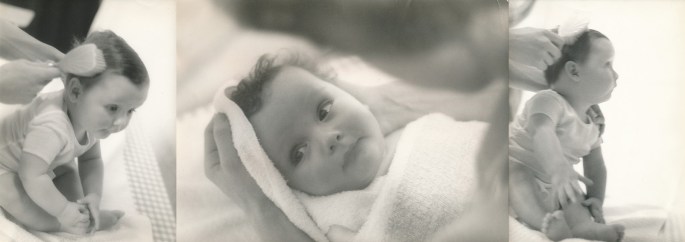
These are from an ad for Johnson’s Baby Powder. They date from shortly after the Family Planning shot. The hands and head are those of my much-missed, late mother, and for me there is a powerful poignancy in these images, well beyond any commercial “message”…
An ad for a very different kind of rubber object from the first. This was for Pirelli tyres and the guy driving is “my Pirelli father” – a fact I was blissfully unaware of during the shoot…
These photos with the late model and actor Norman Lambert, were my final turn as a child model. The ad was for Van Huesen shirts and if you look carefully at the image on the right, you can see that my eyes are swollen. Unfortunately, the director, innocent of my family history, early in the shoot, instructed me to “smile at daddy…”, causing me to burst into tears! Not only did it take about half-an-hour for me to regain my composure, it meant hours of work for Sidney’s touch-up photo-artist to “fix” my eyes. I should say though, that my Van Heusen “daddy”, Norman, was exceptionally patient and kind, and moreover, I was allowed to keep the set of wooden blocks. But after that, Sidney mostly resorted to professional child models, presuming they were made of sterner stuff!