Last month we sold our little flat in Hampstead, North London. In and of itself, not exactly an earth-shattering event, but in the context of my life, an extraordinary moment. The reason being, that for the first time in my then-64 years and 11 months I no-longer had even a toe-hold in the city of my birth.
Regular readers of these posts will know that I have always endeavoured to keep my blog as free from controversial subjects as possible, despite the fact – as those who know me well can testify – I am highly politically aware with a range of opinions, some strongly held.
Given the recent and current state of the world, this policy has not always been easy, but this blog, originally intended to publicise my books and my art, is not a forum I wish to use for expressing my views on putting the world to rights. Ultimately, from my own experience of sampling and following other people’s politicized sites, one inevitably ends up with a corrosive and destructive clash of echo chambers. Thus, our reasons for leaving London will remain known to only our intimates.
Presented here is a photo-record of the first 30 years of my own personal London life (several suitably grainy and scarred), from times past, when I could never have dreamed that I would ever cut my ties with my once-beloved city “north of the river”.
I was born in Edgware, in the county of Middlesex in 1960, strictly speaking, before it became part of Greater London. Famous for its eponymous Roman road, as the composer Handel’s temporary home, and being at the end of the Northern Line Tube, it was where I grew up. This picture shows me as a baby, with my mum, Hannah, older brother Michael and my great auntie Ray at my grandparents flat…
My final day at nursery in 1963 with my mum (left) and a friend. I seem to be clutching a postcard though I have no idea who from…
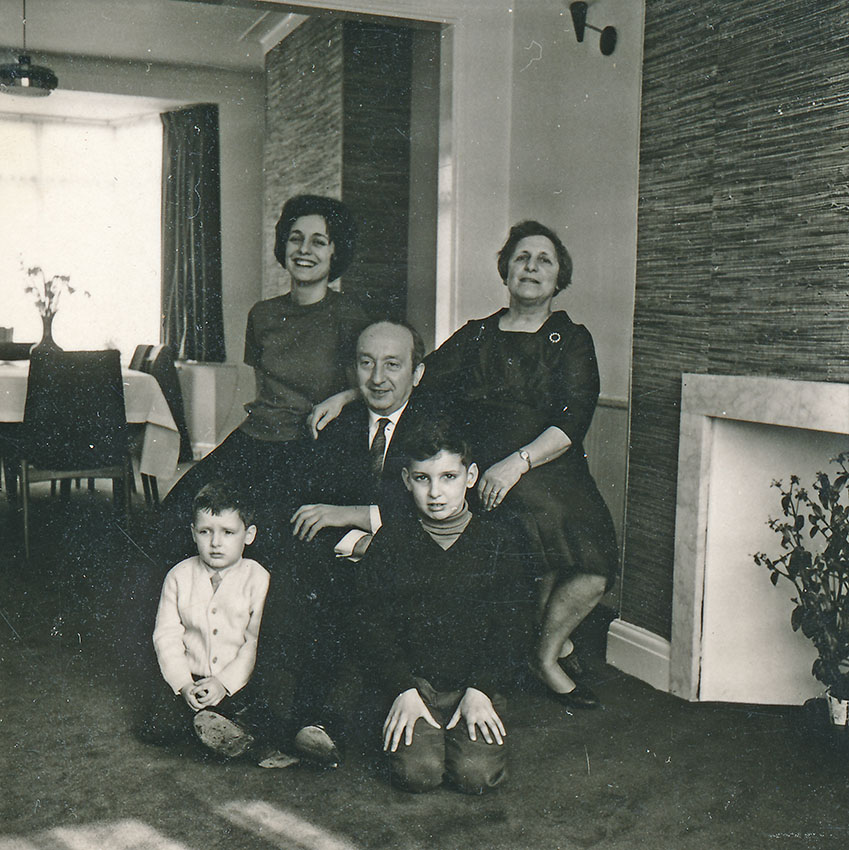
Apart from a bout of glandular fever when I was six, my childhood was exceptionally happy. Although my father had departed the scene when I was a babe-in-arms, my little family was a more than adequate compensation for his absence. Here we have Hannah and her parents, Becky and Harry, me and my brother Michael (my uncle Sidney took the picture), in my first home…
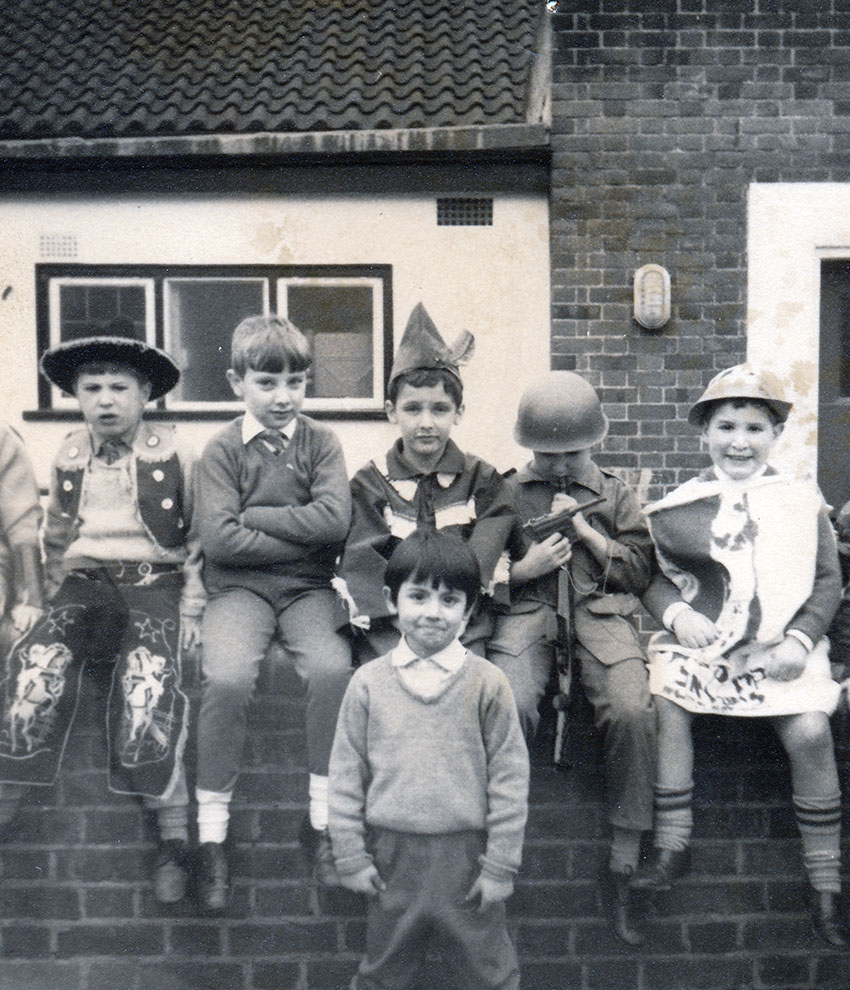
Purim at my primary school. I’m a rather lame-looking Robin Hood sat between cowboys and GI’s…
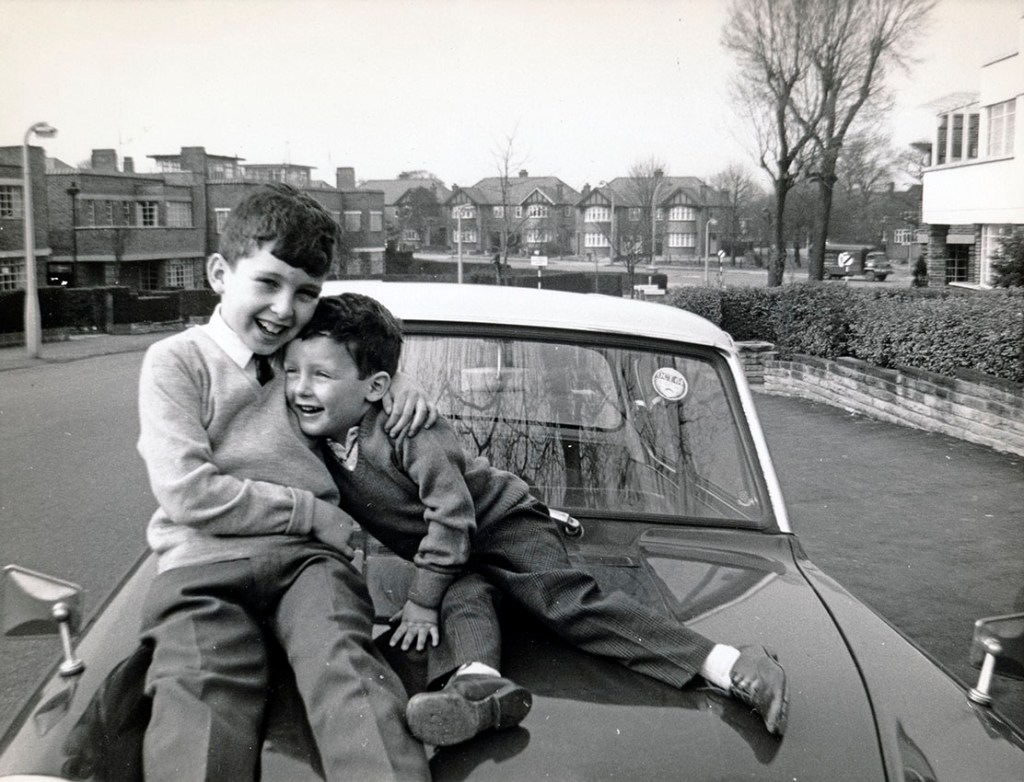
Between the War and my birth, my mum’s family lived in Hendon. Many of our closest family friends remained there, and this is Michael and I during a visit to one of them. We’re sitting on the bonnet of mum’s first Ford Anglia – eat your heart out, Harry Potter!
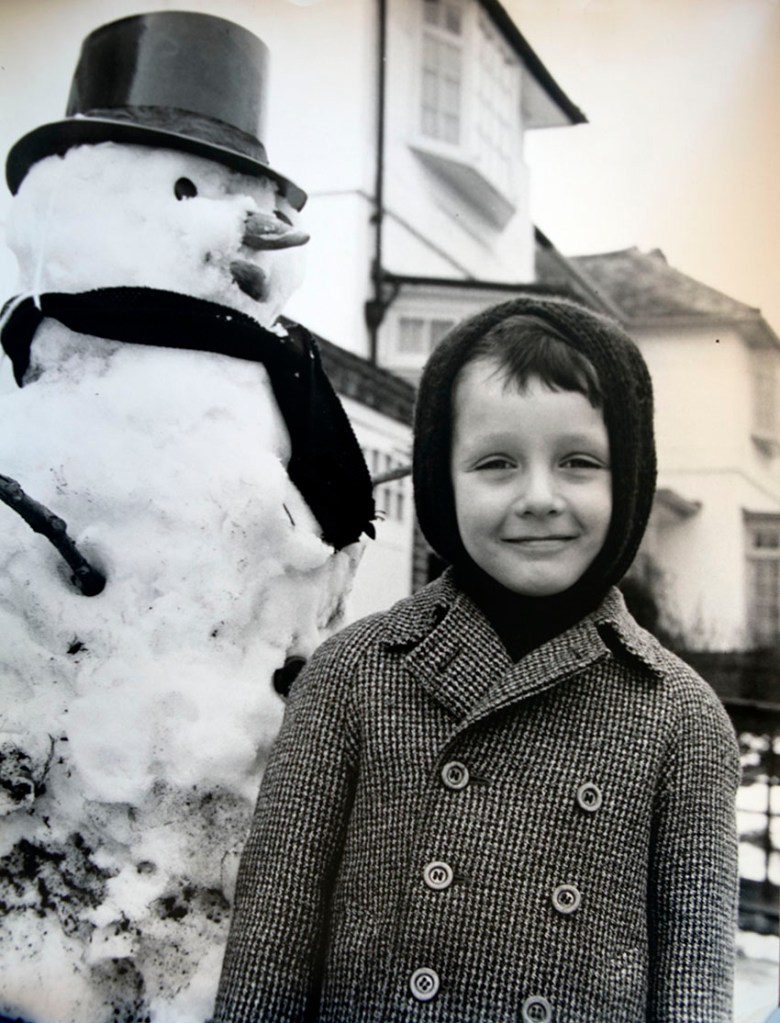
We took our snowmen very seriously back then…
Our second house in Edgware had a large back garden and by “London-clay” standards, half-decent soil. Sidney and I were both keen gardeners, something I remain to this day…
My studio space at Saint Martin’s, with friends and fellow students. The guy on the far left is my lifelong friend Simon – not an artist, just visiting. Next to him, looking at the camera is Robert, a hugely gifted portraitist, and the girl is Piyawan, another very talented painter and cartoonist. Judging by the coats, this was at the end of the day and when we would typically be preparing for a visit to one of the many local Soho pubs…
My final act at St. Martin’s was to undertake this temporary mural commission (I describe the story here) in James Street, Covent Garden…
My grandparents were moderately observant Jews (outside the Haredi communities – and even they differ from one another – there are as many nuances and degrees of “observant” as there are Jews who observe), and the traditional Shabbat supper was always partaken of. Here I’m “making Kiddush” (the blessing over wine) on one such occasion. By this time we had left Edgware and moved to West Hampstead, also North London, but closer to the centre…
I lived at home (in West Hampstead) well into my late 20’s, and this was my painting studio, which we built at the end of the garden…
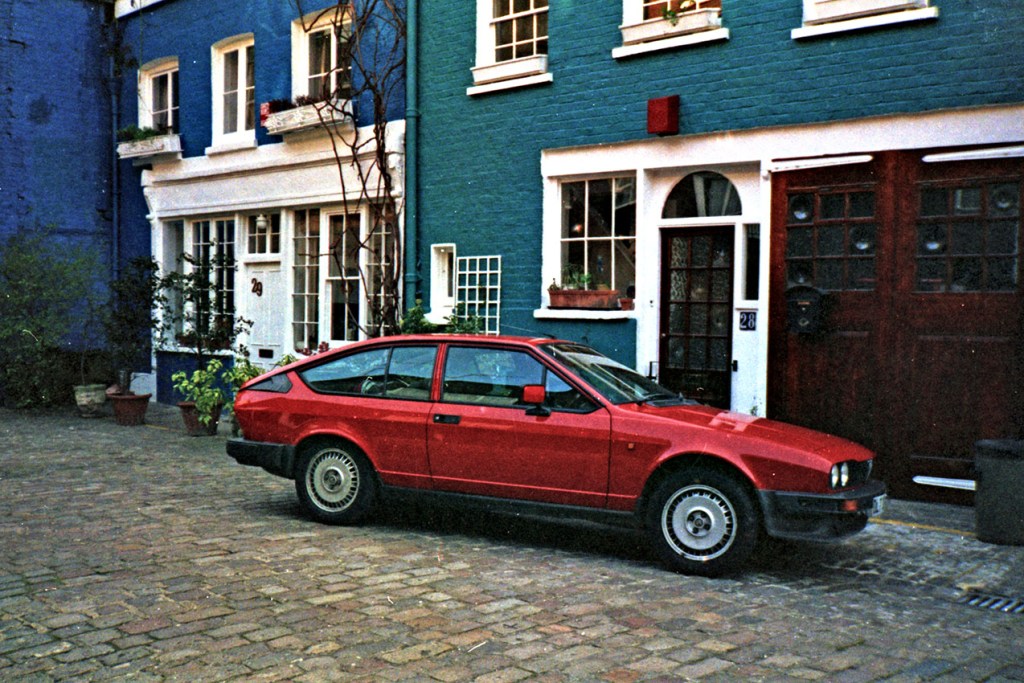
I met my future wife, Dido Nicholson, in 1988 and we married two years later. This was her cute little mews house in Lancaster Gate, close to Paddington Station and Hyde Park. She inherited the Alfa GTV from her uncle Leonard, who sadly died while playing real tennis at Lords (the “HQ” of world cricket)...
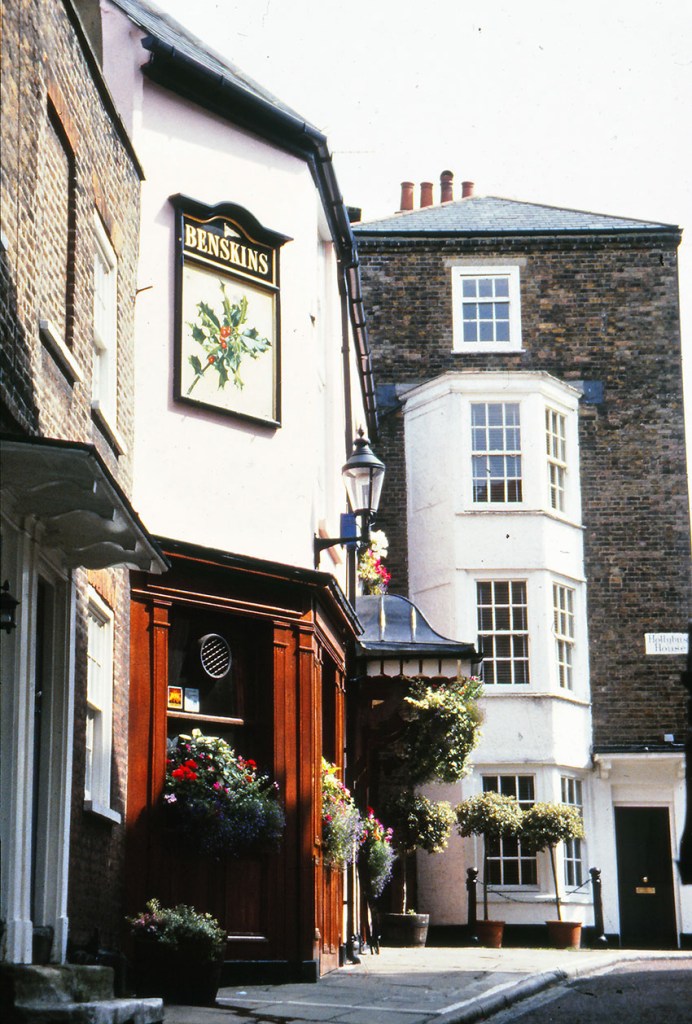
Like most Londoners, I was rarely happier than when visiting one of my local pubs, like the Holly Bush, here in Hampstead, which has turned out to be our final London Address…
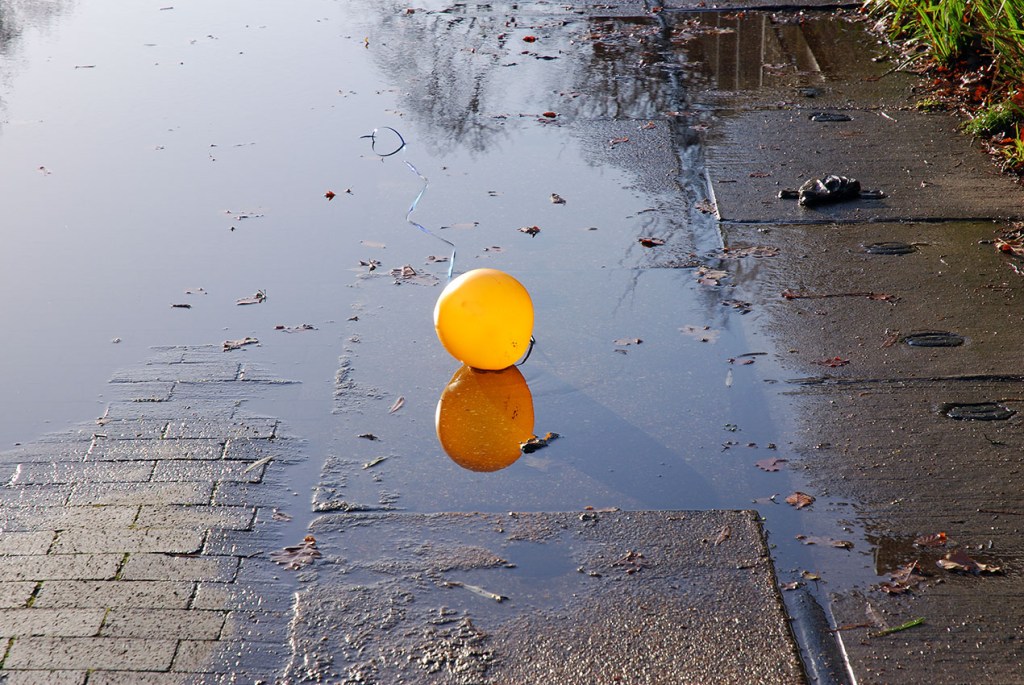
A melancholic New-Years-Day scene on the tow-path of the Regent’s Park, one of our favourite regular walks, and a fitting image to end this homage to a lost city.
The title picture is the top of Primrose Hill. It offers, arguably, the best view of London from north-west of the city. I always found the scene somehow reassuring, and no more so than one misty autumn morning in 2010, when my mother had just left for the airport on her way to Dignitas.
Of all the people I have ever encountered who should have been famous, but were not, my uncle Sidney Pizan, who passed away in December aged 94, is the greatest example I can think of.
Immensely intelligent (declared a genius upon entering grammar school aged only nine); a brain equally at home in the sciences and the arts; a star medical student at London’s University College Medical School; a gifted and highly successful commercial photographer; picture framing entrepreneur; a multi linguist fluent in six languages; plus, a discerning antiquarian bibliophile and all-round connoisseur and collector of the arts with an internationally respected knowledge of Art Nouveau, Sidney was the epitome of a renaissance man.
Moreover, hailing as he did from humble Jewish origins in London’s East End, the son of shopkeepers, Sidney lived a sort of British version of the American Dream, proving, that with a rich combination of nouse and grit, the sky was virtually the limit… I say virtually, because Sidney’s medical ambitions at least were curtailed by a shameful quota on Jewish medical students permitted to become doctors, meaning he had to settle for dentistry (chiropody and ophthalmics being alternative options). That notwithstanding, the only thing that stopped him going on to true fame and fortune was his own lack of hunger for any such things.
At least until his fifties, as regards his profession/s, his pastimes, his social and his family life, Sidney enjoyed a contentedness which perhaps, in a way, dampened any greater ambitions he might have had. Then, following his belated discovery of a partner, and then later wife, he discovered another level of contentment. Ultimately, Sidney was happy as anyone reasonably can expect to be with his lots, firstly as a bachelor and then later with a far quieter, settled existence.
The pictures presented here, show Sidney as a child, mostly together with his younger sister (my late mother, Hannah), and take us up to the time just before he became a professional photographer – a period comprising about 25 years. I hope, and think, that even for strangers looking in on this post, they offer a charming window into a lost world…
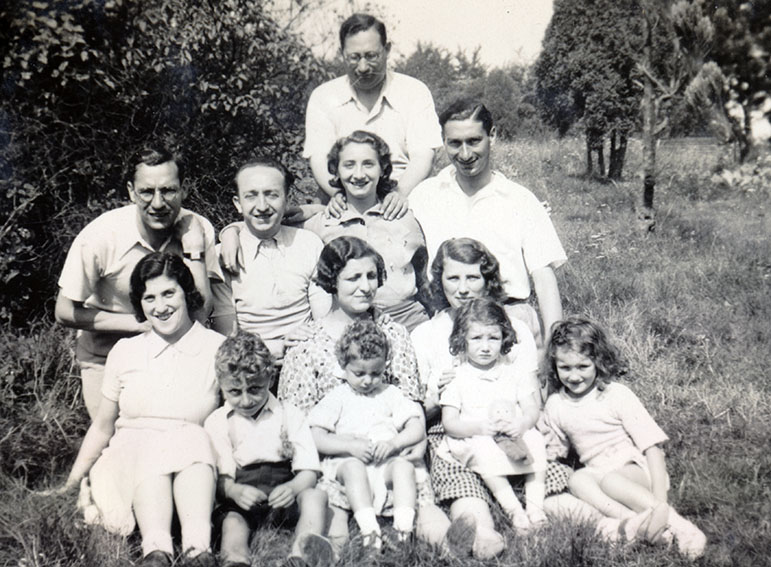
A family outing around 1935, perhaps in Epping Forrest. Sidney is the boy with the blonde curls in the front, with his little sister (my mum) next to him, on their mother’s lap (Becky). Their father, Harry is the chap kneeling, second from the left. At this time they lived in the Mile End Road in Stepney, East London. Harry was a grocer and they lived above the shop. Despite their modest means they enjoyed life and wanted for nothing, as I think the glow radiating from this happy assortment of cousins, uncles and aunts clearly reveals…
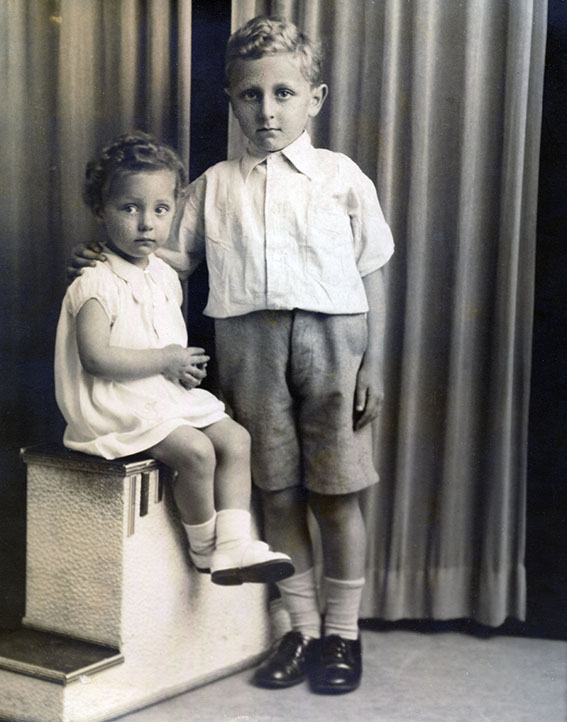
A formal studio portrait of Hannah and Sidney, circa 1936
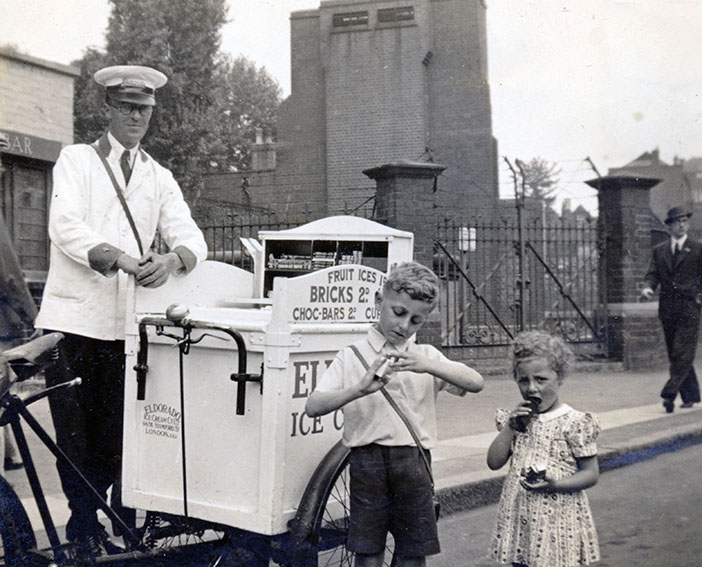
Sidney and Hannah enjoying a treat…
A school sports photo taken about 1948. At the height of the London Blitz, Harry moved the family to the north-London suburb of Hendon, to avoid the worst of the bombing. Sidney (back row, third from the right) and Hannah (front row, fifth from the left) both excelled at the local grammar school, Hendon County. The headmaster, Maynard Potts declared Sidney the second cleverest student ever to attend the school (the cleverest being Sidney’s classmate, Lionel Blue – later to become a radio celebrity Rabbi on the BBC – standing third from right with spectacles – I think).
Brother and sister around 1949, shortly before Sidney began his two years national service.
Sidney in his first dental practice in Ecclestone Street, Victoria, in central London.
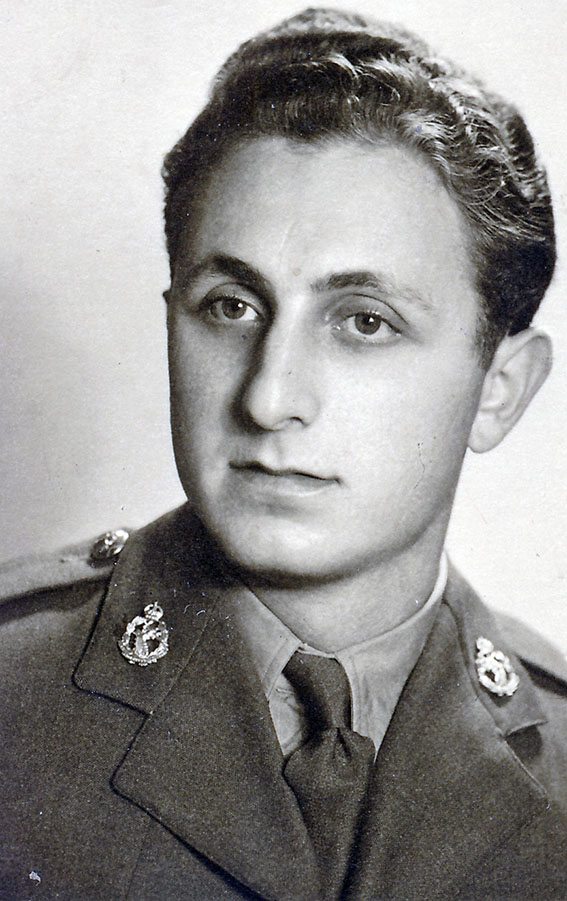
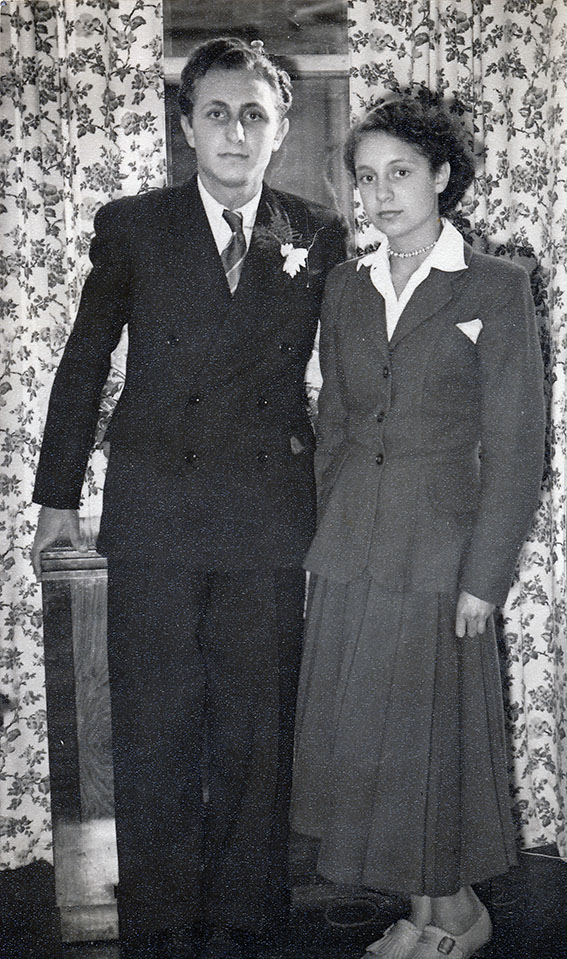
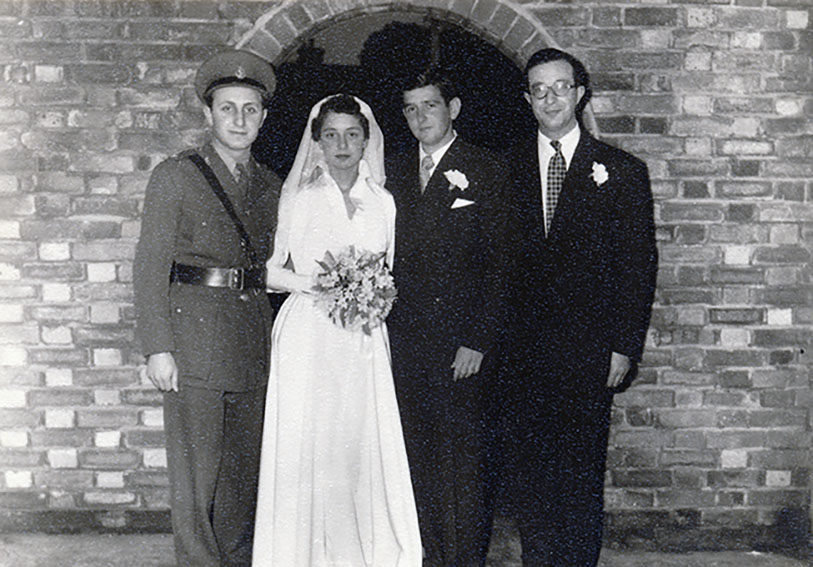
Captain Pizan (Sidney was an officer in the medical corps – stationed in a schloss in the Black Forest, Sidney spent most of his time learning to ski, drive and taking care of the castle’s substantial wine cellar – he also became fluent in German) attending Hannah’s wedding to my father, Gerald Green in 1953. Gerry, as he was known then, ended up in advertising, and it was he who persuaded Sidney to do commercial photographs for his company, thus beginning a whole new chapter in his life… …to be continued…
Dido and I met on New years Day 1989, and two years later, considering my appaling memory for cellebratory dates, we decided to get married on New Year’s Eve, to ensure I would never forget our anniversary. So far, thank goodness, it’s worked, and so today, I remember fondly, that at about noon Gibraltar time we will have been wed for 32 years (our lapis lazuli wedding no less – who knew?).
This post is really by way of a Happy New Year greetings card to all our family and friends, and any other readers of these pages.
Let’s all hope that 2023 passes and ends better than 2022 and provides us all with joyous memories to rival those displayed here!
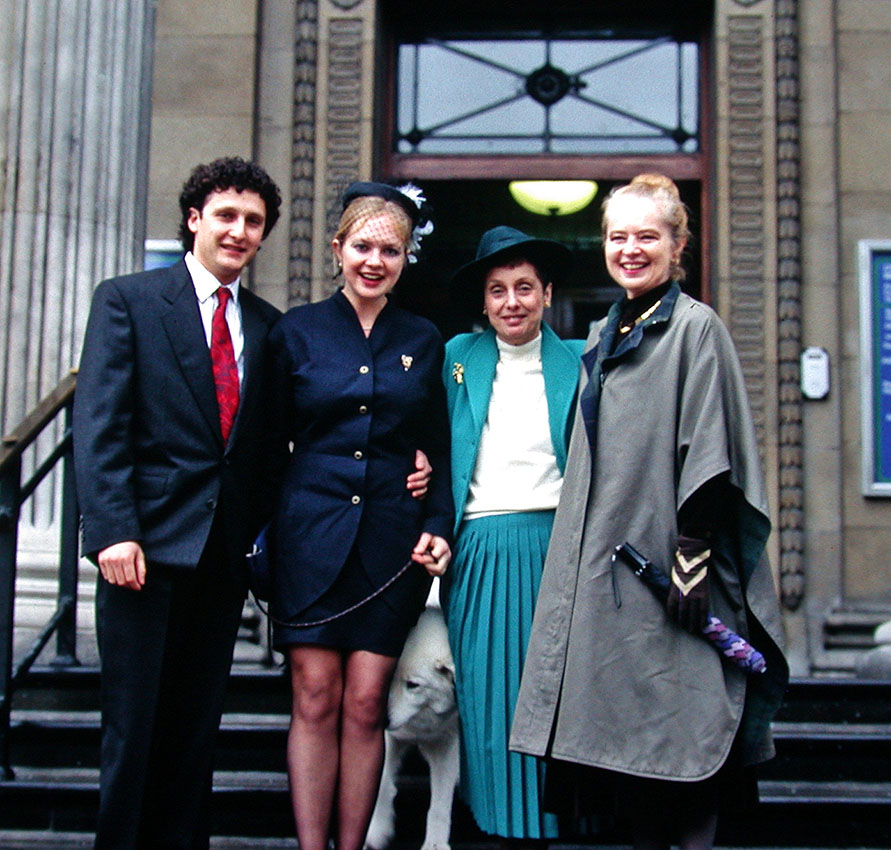
We had a small, civil wedding at Marylebone Town Hall (in the West End of London – famous for celebrity weddings)with just my mum (in turquoise), Dido’s parents (her father taking this photo) and our dog Aura in attendance. Given our two years of being together, Dido opted for a dark blue wedding! Following a light pub lunch with the parents, Dido and I watched a video of Cassablanca (our favourite film) over a bottle of fine champaigne before heading to a half-decent nearby french restaurant for our celebratory supper with a small group of friends and family. Being New Year’s Eve, things got pretty rioutous, and this is where we learned that Beaumes de Venise is not suitable for quenching table fires…
The gorgeous bride…
Still just about compos mentis. Little if any sleep was had that night, as we had an early morning ferry to catch from Dover to drive to our two-night honneymoon at a romantic chateau hotel in northern France. A week later, and fully recovered, we gave a reception to all our friends and family at our home in London. Golden, if slightly hazy memories…
My continuing trawl through thousands of old slide films for scanning is proving to be not merely a trip down memory lane, but more a long voyage of haphazard, bitter-sweet (mostly sweet) rediscovery.
Because the films are all mixed up in no chronological or subject order , the experience of going through them is somewhat dreamlike in its lack of thematic anchorage. One moment I’m back in my childhood town of Edgware looking into the eyes of my first girl friend; the next, I’m hurtling down an Italian Alpine ski slope with the Martini ad music playing in my head before finding myself on a ferry in the middle of Puget Sound. By the time I’ve completed a couple of hours scanning I feel emotionally jet-lagged. And so it was the other day when I came across one single complete black and white film of a lazy April bank holiday spent in Regent’s Park around 1983.
However, unlike so many of the mostly hazy memories evoked by this process, I found I recalled this particular day in almost every detail. For whatever reason that day is a vivid memory and being suddenly confronted by visual images of it was akin to being back there in the park. And, even more mysteriously, the fact the photos were monochrome merely crystallized my recollections .
For all of that, whether or not they are worthy of illustrating one of my posts, I am not so sure. However, if this does turn out to be simply an exercise in self-introspection, I do hope my that my regular readers and followers will indulge me this once. After all, at their core, these posts form an autobiography, and as such it would be incomplete without memories as colourful as this – albeit, in black and white…
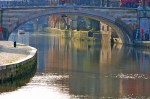
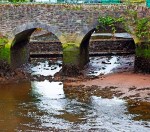
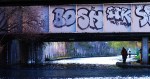
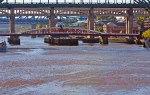
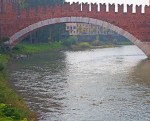
I’ve long been fascinated by bridges and the way they frame and colour the waters which flow beneath them. Perhaps it’s that they are a natural metaphor for hope and unity, or perhaps it’s just I’ve always hated getting my feet wet. But whatever the reason, they and their host rivers, streams, inlets and lakes are indisputably photogenic. Presented here are images sourced from over four decades of photography.
(Cameras used: Canonet 28 / Nikon FE / Nikon D80 / Canon EOS 5D)
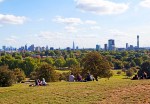
There are many reasons why I love living in Hampstead, and being a half-hour walk from Primrose Hill is one of them. Apart from providing the finest panorama of London north of the river (with all due respect to aficionados of Parliament Hill) there’s a surprise in store on nearly every visit. For example, on the day these images were photographed there was a “gathering” of druids – not something you see everyday!
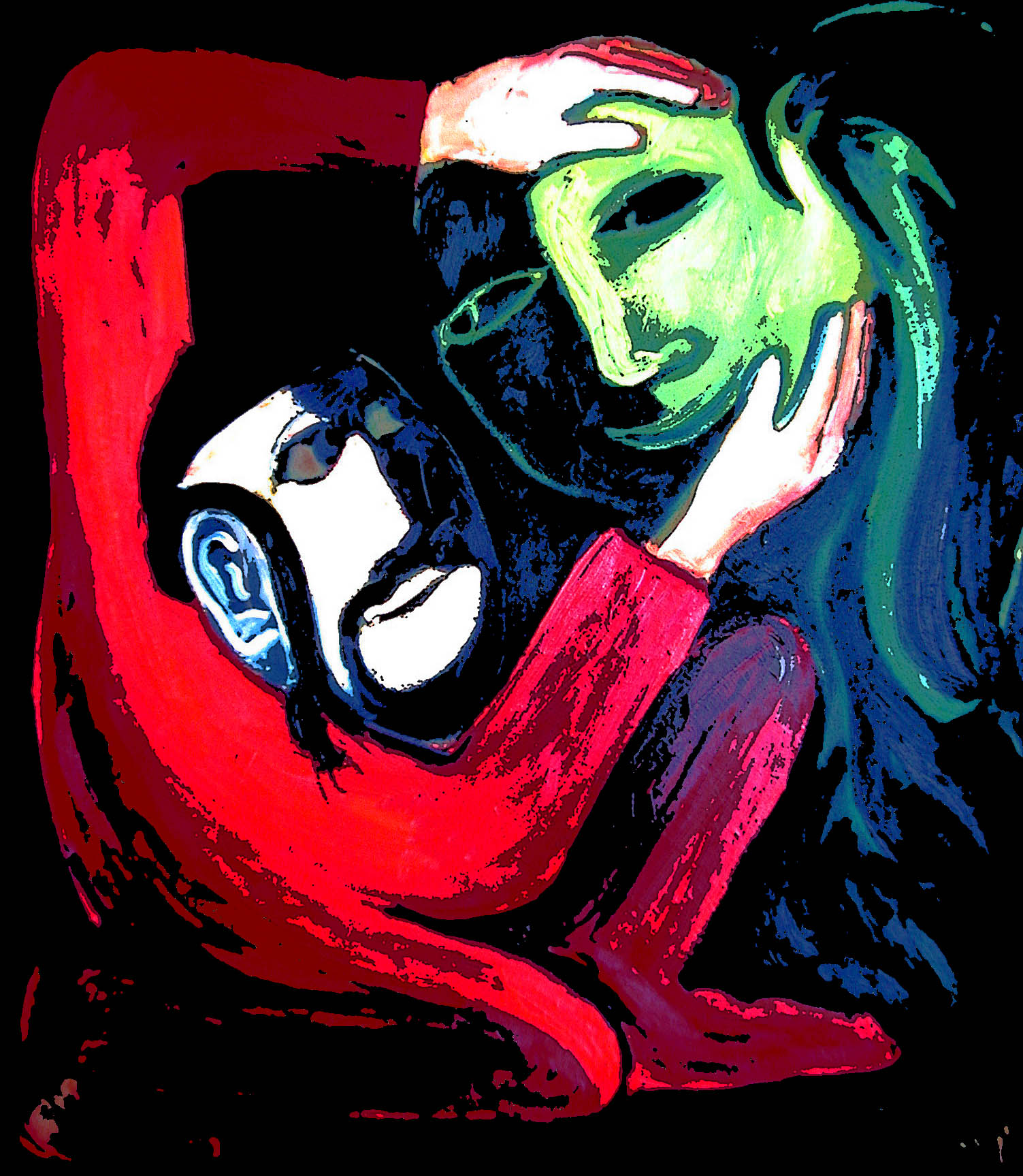
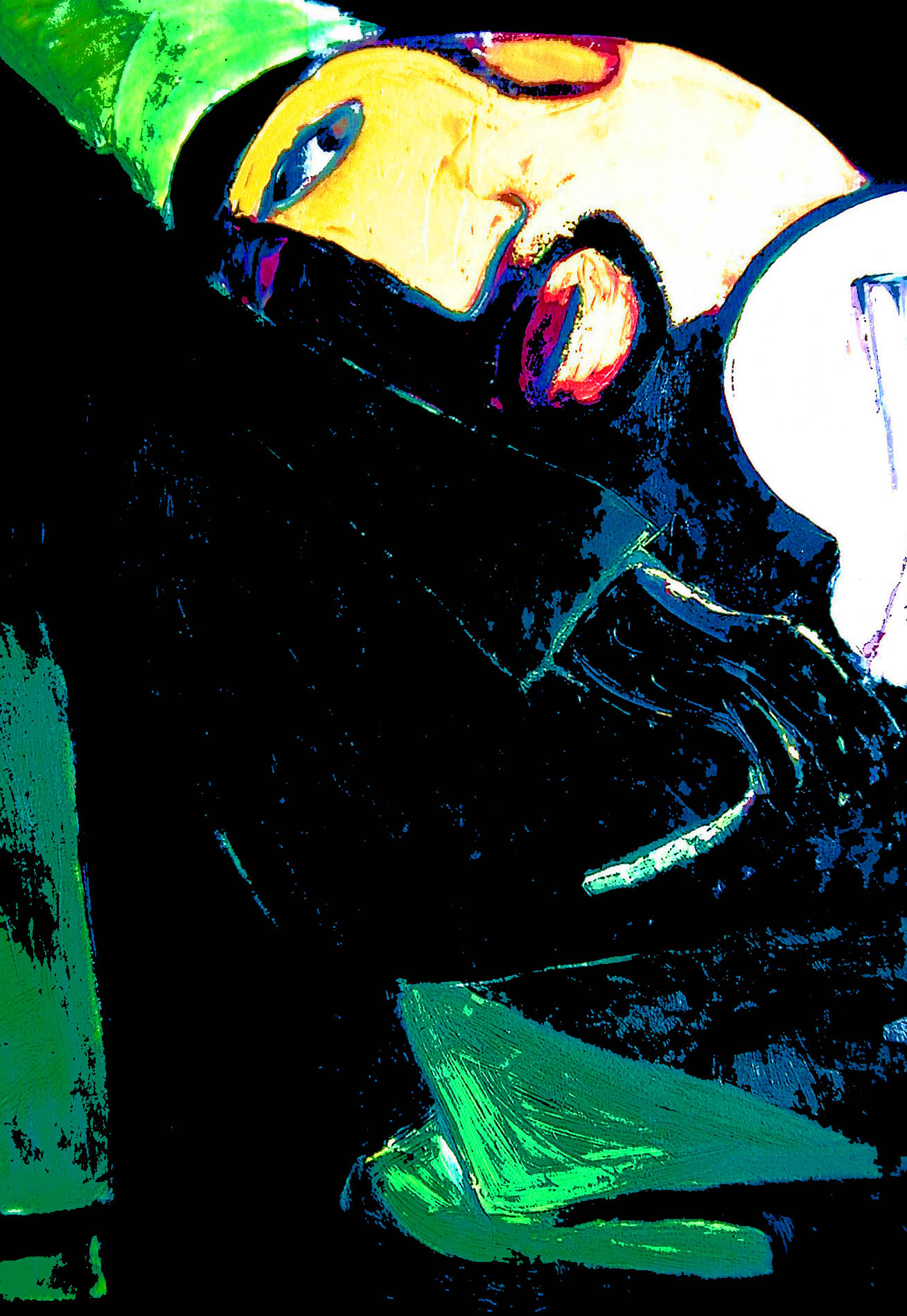
About half-way through my second year at St Martin’s I made a drastic change of course – not so much in my expressive, heavy impasto style but regarding my subject matter. For about six months I became what can only be described as a religious painter.
At the time my reason for my doing this was a mystery to me as I had stopped believing in God or any other form of spiritual entity years before and Chagall – the artist to whom I looked for inspiration at the time – was one of my least favourite painters. All I knew was that I had become bored of churning out paintings of apples and bottles and weary of my constant fight with my tutors who so resented my failure to become a conceptual artist.
Looking back on it now, calmly and rationally I can see two clear reasons for this brief aberration in my painting career. To compensate for my feeling of alienation at St Martin’s I turned to Jewish/biblical subjects because it was a world which I knew and in which I still felt at home. Moreover, it gave my tutors, almost all of whom were not Jewish, a new dilemma in their dealings with me and my art. In a sense it put them on the defensive and rendered them altogether less confident in their criticism of my representational style. Accusing my fruit and beer cans of being “superficial” and “lacking true artistic depth” was one thing. It was quite another to level similar criticisms at apparently emotional evocations of spirituality and religious angst.
It all seems pretty cynical on my part from this distance, but back then I was actually on the verge of leaving the school. The choice seemed stark – knuckle-under if I wanted to succeed as an artist or continue being a waste of space. In desperation I guess, I did something which was neither, but it was drastic and did at least succeed in shaking everything up.
At first the tutors were mostly dumbfounded. I think I was about three weeks into my new style and it was Henry Mundy (who still used to look in on me from time to time) who was the first to say anything. I think he merely exclaimed, “astonishing Adam, simply astonishing…” and then as he was walking out of the room he stopped in the doorway, turned around and looking at the canvas I was working on said “Don’t forget the emerald green…’ What he really thought, and if he liked or hated the work I have no idea but from then on he came up regularly, and stood in the doorway watching me work for five or ten minutes at a time, a slight smile on his face, but without ever uttering another word.
As for the majority of his colleagues they basically backed off and left me to my own devices.
The only other visitor to my space I remember having during this period was the then international superstar of British Abstract Expressionism, John Hoyland. He was paying us a visit, mainly to deliver a talk on his own latest work, but afterwards he took a stroll around the studios. At this point it’s impossible to overstate the sameness of nearly all the other studio spaces he was viewing that afternoon, nearly all filled with Hoyland wannabes and their mostly pale imitations of his admittedly fine examples of the abstract expressive oeuvre. So it was really very amusing that when he passed by my space and glanced in he did a double take worthy of Scooby Doo seeing a ghost. When he then walked in it was with an expression of one stepping out of a space ship onto a new planet and not quite certain if the air was breathable. When I stopped to greet him he gestured for me to keep on working and he just stood there stroking his chin. I think he stayed about ten minutes, then just before he turned to leave, he said “whatever else, you certainly can paint…” All I recall feeling at that moment was embarrassment that I hadn’t bothered to attend his talk. Later on though, especially when I discovered that Hoyland was to be one of our degree assessors, it gave me hope that at least I would come out of St Martin’s with a BA of some kind.
As for the pictures themselves, what can I say?
Ultimately I think they work quite well, and of all my work at St Martin’s, express the angst and frustration I was feeling as I muddled my way through the first two years there. To those looking at the paintings above and detecting deep religious or spiritual truths – Jewish, rock and roll or otherwise – I say good for you. Whatever turns you on. For me; at their best they show how I was beginning to develop my basic paint handling skills, with brush and especially my beloved palette knife…
One of the things which really got up the noses of most of the tutors at St Martin’s was conventional drawing. They hated it so much that during my second year they actually closed down the life drawing studio, meaning that St Martin’s was the only one of the six UK major art schools without one – even Chelsea and Royal College maintained life drawing classes.
But I was a drawer. I had been since I was five years old (when my primary school headmaster described me as “the complete draftsman and cartoonist”). And fortunately for me I was not alone. Of our year of thirty odd students around ten others felt as I did, and because in those days we all received generous grants we were able to raise the funds between us to pay a model and support a once-a-week life class – much to the irritation of our tutors.
As in my first year there were a couple of tutors who bucked the general trend and attempted at least to teach and encourage us poor representational fools. Anthony Whishaw was my personal tutor that year and was always polite and gentle, despite the fact he was obviously repressing his frustration with me the whole time he was in my space. Gary Wragg was also incredibly affable and hugely encouraging, even if a bit hard to comprehend. On occasion he would stand in front of the canvas I was currently working on, gesticulate wildly with his arms and say things like, ‘Now that’s what I mean man! That’s what I’m talking about! Man, this is where it’s at!’ and so on (I always had the feeling with Gary that he thought he was on the set of a Shaft movie)… Not exactly constructive, but well meant, and I think – sincere. I believed I was Gary’s token representational artist, and I took that as a huge compliment given the whole weird context of me being at St Martins.
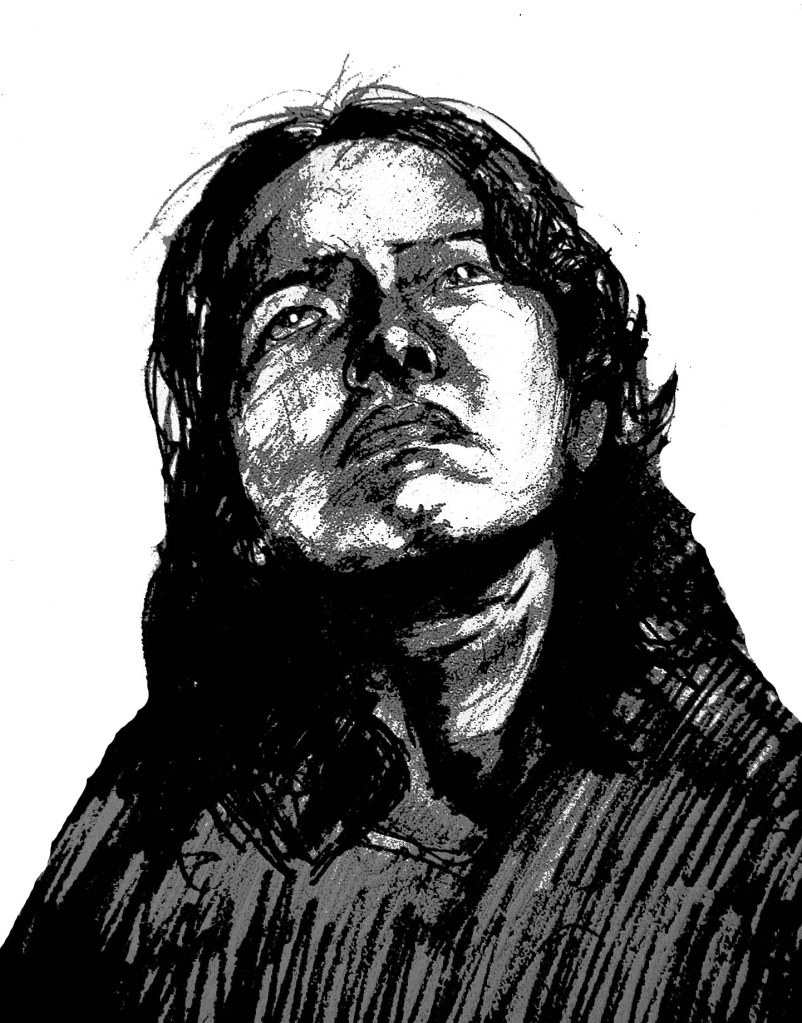
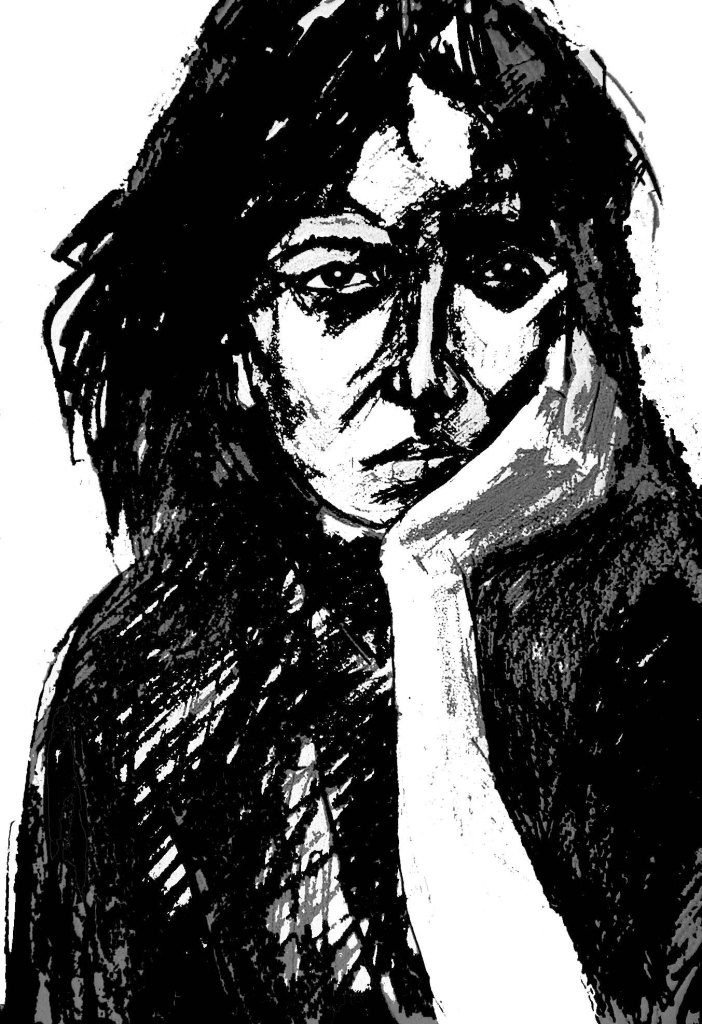
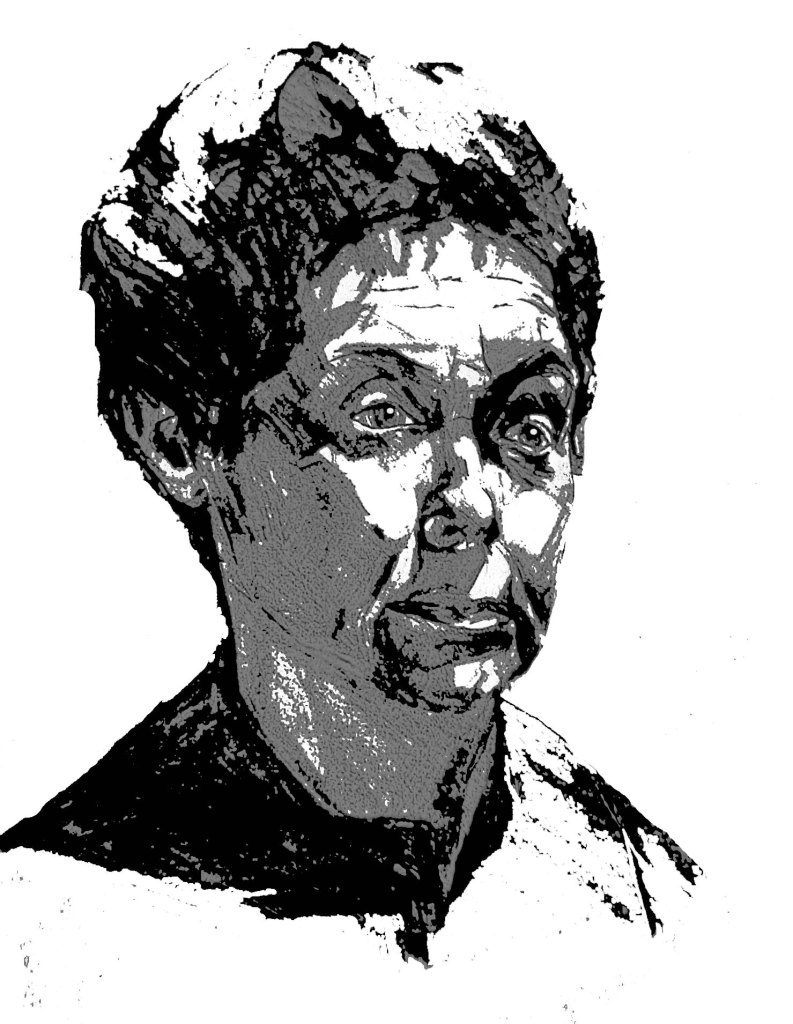
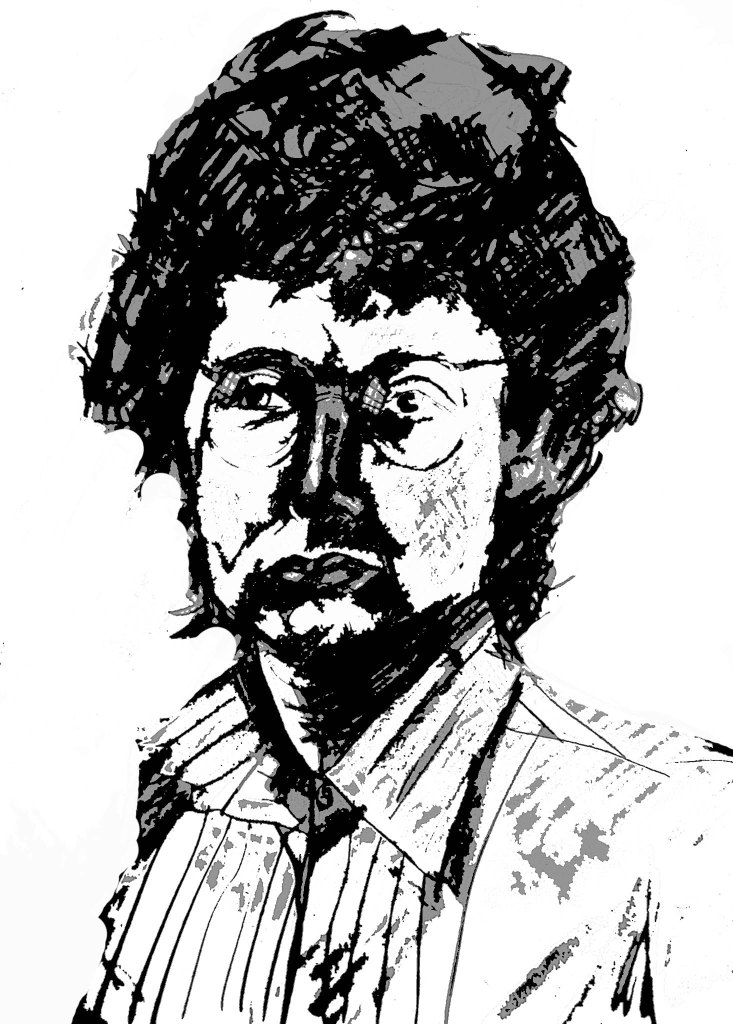
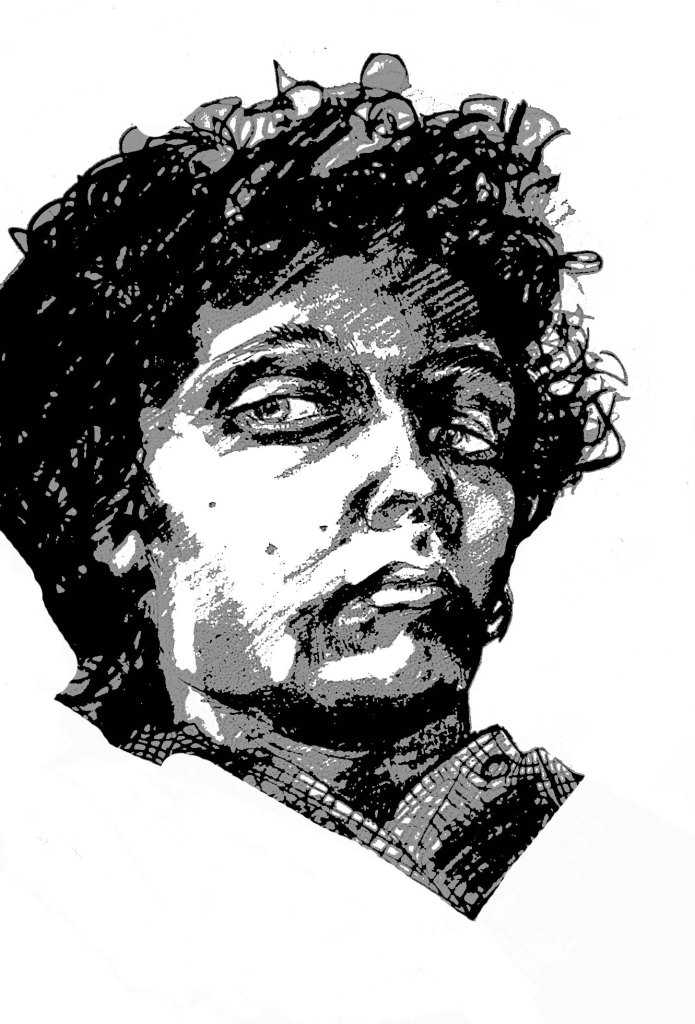
Anyhow, the drawings displayed below are from that time. No nudes represented here, although they will appear in future posts (I promise!) but rather an example of my portrait sketching. During this period while I was still searching for a satisfactory method of painting, I began each morning with an hour or so of sketching. Mostly, my own face but often a friend or girlfriend would be happy to sit for me if I provided them with a cup of tea or coffee as payment. It was a useful exercise and loosened me up for the rest of the day.
Ever the expressionist, subtlety was never my thing, but despite a slight heaviness of hand I’m surprised now, some 35 years later how fresh and alive these drawings appear. I hope others will agree…








































 ARKS, ADAM AND AXARQUIA