SYDNEY OR MELBOURNE?

LOCAL / NATIONAL RIVALRIES between urban giants

Cities that enjoy unrivalled pre-eminence within their countries are rare and especially in many of the lands of the newer worlds. As a native of London – a city which similarly to Paris and France, enjoys sole national supremacy – this phenomenon has always interested me. While this development seems natural in geographically enormous countries like Russia (Moscow and Saint Petersburg), China (Beijing and Shanghai) and the USA (New York City and Los Angeles) it is also true of smaller nations, such as New Zealand (Wellington and Auckland), Spain (Madrid and Barcelona) and Italy (Rome and Milan).*

City rivalries develop for a whole host of reasons, including geography, internal competing nationalisms, politics, local nationalisms, commerce and of course, history. Occasionally these rivalries can blow up into full blown rows, and given sufficient regional identity, even war. Often, newer countries with two or more “competing” cities have avoided potential trouble by creating distinct administrative/political national capital cities – such as Brasilia, in the case of Brazil (cf Rio versus Sao Paulo); or by elevating a non rival city to the same position – such as Canberra in the case of Australia (cf Melbourne versus Sydney). Even in newer countries with relatively long-established capitals, such as Washington DC (USA) Durban (South Africa), and Ottawa (Canada), these cities rarely evolve into their respective nations commercial or cultural urban powerhouses.

Presented below are my thoughts on three famous urban rivalries I am familiar with…
This image has an empty alt attribute; its file name is melbourne-v-sydney.jpg
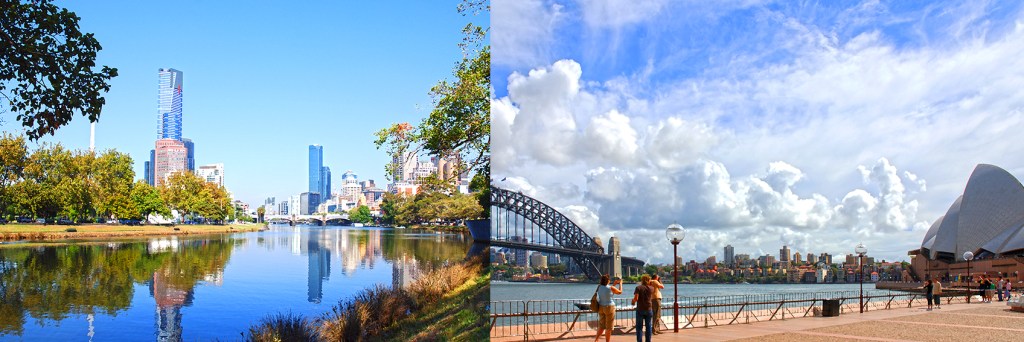
MELBOURNE AND SYDNEY – I seem to recollect the late, great Clive James once describing Sydney as appearing like a fabulous jewel neckless from the air (or words to that effect), and while there’s no doubting that Australia’s largest city wins hands down in the beauty stakes, I have enjoyed my visits to its great rival, (and nearly as large) Melbourne far more. Apart from its truly iconic architecture and geography, Sydney seems parochial and dull compared to its cosmopolitan and vibrant Victorian neighbour. Not only is Melbourne the beating heart of the Aussie arts and culture scene (with all due apologies to the Sydney Opera House), it’s also the sporting capital; not just of Australia, but of the entire southern hemisphere; and not to mention, a gourmet’s paradise – I mean, where else in the world (including Greece) can one find a truly great Greek restaurant?!

This image has an empty alt attribute; its file name is toronto-v-montreal.jpg
TORONTO AND MONTREAL – With the risk of this beginning to seem like an exercise in contrary-ism, I often find myself not liking the cities I’m “supposed” to like, while preferring their less hyped rivals. In truth, this might have more to do with the fact that I have always had a conditioned reflex against hype of all kinds, in all walks of life. Thus, I guess that I was always going to be one of those oddballs who much preferred Toronto over Montreal. In fairness, and unlike with Melbourne and Sydney, there isn’t much to distinguish the two Canadian giants vis-à-vis appearances – although even the most die-hard Montreal lovers would probably own that Toronto’s lake-front profile gives it the edge in looks. No, it wasn’t the appearance of Toronto that got under my skin so much as, like Melbourne, it has that almost tangible zing of a happening, swinging town, in stark contrast to Montreal’s overwhelming atmosphere of stale lethargy. Moreover (and this also resembled the Aussie cities), whereas Toronto felt confident and assured, Montreal felt arrogant and complacent.

TEL AVIV AND JERUSALEM – Of the six example cities discussed here, I know these two the best. Having lived in Israel on two occasions and having spent months of my life in both towns, not only do I understand their “todays”, I also have a first-hand knowledge, going back half-a-century of how they got there. For all sorts of obvious, geo-political, geo-religious and geo-cultural reasons (far too complex and difficult to enter into here) Jerusalem is not so much a city, as an agglomeration of fractious urban communities, crammed uncomfortably into a relatively small area. For all its stunning beauty, this has been Jerusalem’s problem for the best part of the past 2000 years, and doesn’t look like resolving anytime soon. Everything about Tel Aviv however, exists in the starkest of all contrasts. While Jerusalem could be as much as four-thousand years old, Tel Aviv is barely one hundred! Whereas Jerusalem is defined by religion and cultural conservatism, Tel Aviv is aggressively secular and culturally progressive (in the good, true sense of the term!). While Jerusalem is aesthetically exquisite, Tel Aviv is an urban dichotomy of 20th century ramshackle and dusty, and 21st century jagged and shiny. The two cities could not be more different, and reveal the two faces of Israel. Which face the visitor prefers will depend much upon their own peculiar political and religious sensibilities. As for me, these days, in beautiful Jerusalem I feel disconcerted, saddened and alienated, while in ugly Tel Aviv, I feel energised and optimistic, and very much at home.

*Apologies to residents and fans of cities like Chicago and Vancouver, who could justifiably argue that in North American terms at least, I have overlooked these towns equally valid competing statures to those named – perhaps in the interest of preserving my hypothesis. However, while there can be no doubting either city’s cultural and commercial importance and influence, in a broad metropolitan sense, not to mention for sheer industrial and commercial might, they are dwarfed by the cities mentioned.

THE BAR MITZVAH GIFT THAT KEEPS ON GIVING (or how I discovered the great British outdoors and seriously good British food…)

In April of 1973 I became 13 and was subsequently bar mitzvahed (yes, it is a verb in the Anglo-Jewish vernacular) . The event itself was typical of most traditional bar mitzvah celebrations, and followed the orthodox coming-of-age for boys format in most respects. This included all the usual suspects vis-à-vis the presents I received – except for one wonderful surprise gift. Unbeknownst to me, my mum and uncle (her brother) had planned a five day visit to the Lake District especially arranged around two of my passions; of landscape photography, and far more importantly, an abnormally precocious love of gastronomy.

Since my first visit to France three years before I had developed an unusually sophisticated palette in a juvenile, so much so, that it formed almost as important a part of my early teenage years as more typical factors such as a parallel ever-growing fascination with members of the opposite sex.

Many reading this now, especially non-British readers might be surprised that my mum and my uncle didn’t take me back to France, or to Italy or Spain, or just about anywhere in the world beyond the British Isles – if not for the photography element of the trip, certainly for the cuisine component. And while it is undeniable that in that dark long-ago of 1973,  a full decade before the reawakening of fine British gastronomy, good British food was hard to find, there did exist a few pioneering outposts of fabulous British cooking.

Of all the pioneers manning these few gourmet mission stations none played a more heroic role in the resurrection of fine English fair than the formidable Francis Coulson at his famous Sharrow Bay Hotel on the shores of Lake Ullswater  in Cumbria, in north western England. Since 1948, ably assisted by his life-partner, Brian Sack, he reminded the British of the fact that their countryside and its surrounding waters comprised a national food larder as rich as any on the planet. Furthermore, he devoted his life to demonstrating  exactly how to make the best culinary use of that copious store cupboard.

When mum took me to Sharrow Bay in 1973, Coulson was in his pomp, both in regards to his international reputation and the output from his hotel kitchen, and thus I was one privileged bar mitzvah boy! Not that the my rabbi back in north London would have approved, but to this day, my first taste of a Cumberland sausage, in the heart of Cumbria, at our first breakfast remains one of the many abiding and formative food memories of those fantastic five days. Manx kippers, and fried duck eggs were other breakfast wonders but after days walking along the lake shore and up and down the local fells it was the suppers that really sent me into bouts of ecstasy. “I’ll never forget” is possibly the ultimate cliché, but I can’t think of any other way to phrase my first experience of British game in the form of Coulson’s famous roast grouse, and the intense redcurrant jelly accompaniment. Other gamey wonders included saddle of hare and the finest venison stew I was ever to taste – at least up till now, and as for the Herdwick lamb chops and the trout, fresh from the lake itself cooked to perfection. And then the steamed puddings – simply the lightest, most unctuous, most well-crafted puddings in the universe. And I could go on, and on.

But oh, I almost forgot! There was also the photography, and while sadly for you, I can’t share the experience of the Sharrow Bay’s phenomenal kitchen, I can at least reveal something of the stunning scenery in which it sits. I’ve rendered these ancient images (originally taken on my trusty old Canonet 28) in a watercolour style, which I believe faithfully captures the dramatic beauty and changeability of the Ullswater environment.

In the mean time, anyone reading this with a curiosity for traditional British food at its finest or the majestic wonder of Lake Ullswater and its surrounding countryside, could do a lot worse than saving up for a few days at the Sharrow Bay – the best Bar Mitvah gift or any gift for that matter, ever!

FRENCH SCENERY – a fringe benefit of my fear of flying…

Given the amount of travel related material I present here, it might come as a surprise to regular followers of this site, that for about ten years, from the late 80’s to the late 90’s I suffered from a suddenly acquired, debilitating fear of flying.

Debilitating for about the first seven or eight years, to be accurate, as I gradually cured myself of the affliction over the final two or three years with a combination of judiciously applied strong alcohol and the advent of budget airlines – specifically easyJet. But thanks to that magical cocktail of Jack Daniels blended with Stelios Haji-Ioannou’s heroically mundane approach to commercial air-travel (a story for another post perhaps) I thankfully managed to rediscover my inner Frank Sinatra. However, unluckily for us, the height of my phobia coincided with our move to southern Spain.

If the move had been the total success we had originally anticipated then my fear of flying wouldn’t have been thrown into such sharp relief, but because of constant need to migrate, firstly to northern France, and then later, back to the UK, things became tricky.

For a period of about three years we had to make the journey, firstly from Malaga to Boulogne and then from Malaga to London, between six and twelve times annually.  And, while some of these journeys anyway necessitated the need for a car journey, most of them would have been quicker, cheaper and easier by plane. But, as there was no way I could fly, and short of Dido giving me the Mr “T” Novocaine treatment , this meant that for all of those dozens of trips, we had to drive.

More often than not, and especially towards the end of the period, when “getting there” had become the sole objective, we would stick to the main roads and cover the route in as little as two and a half days (our record was 18 hours – Malaga to London – 1400 miles – door-to-door), but on occasion we would make a small vacation out of a drive, and take some significant detours, in France and/or Spain.

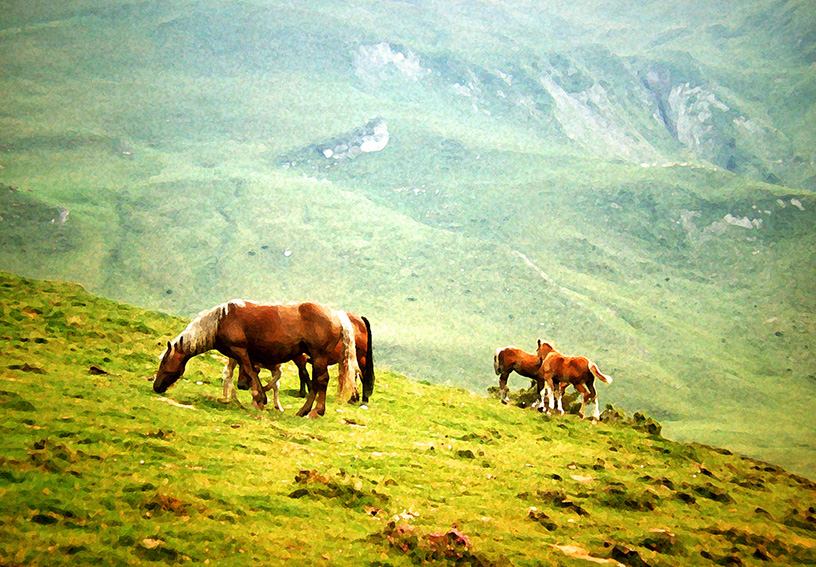
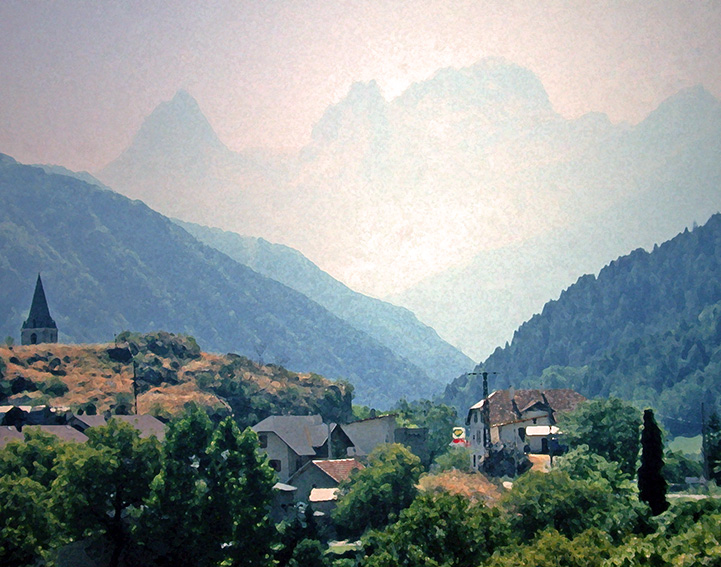
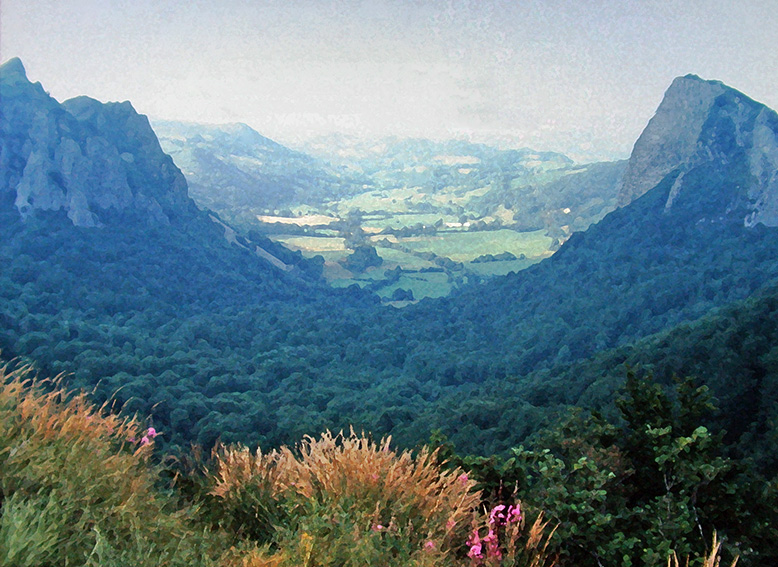
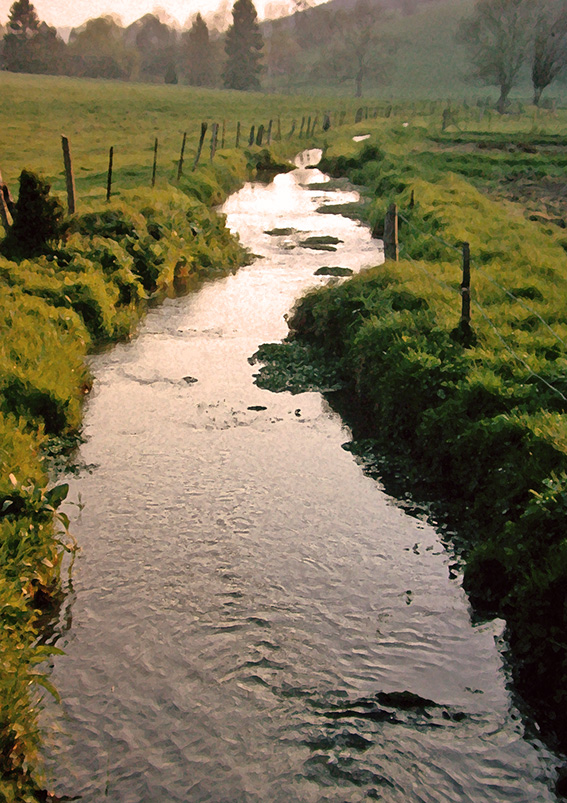
The images presented here are from some of those early excursions compiled into one virtual tour. Their yellowed, grainy texture reflect golden memories of the beauty and the unsurpassed variety (in Europe at least) of the French landscape; in this case from the Pyrenees in the south, to the beaches on Normandy in the north, via Provence and the Auvergne. It’s amusing to consider now, that if it had not been for my fear of flying I might not have got to visit some of these extraordinary places…

PADUA – Stone and Water

Padua is most famous in the anglophone world at least for being the setting for Shakespeare’s The Taming of the Shrew, but its true importance lies in its role as one of the oldest and most important university cities in the world.

Arguably, the home of modern western medicine – indisputably the cradle of modern pathology – with strong associations to the likes of Galileo and Copernicus it’s legacy as a historic centre of scientific learning is only surpassed by Cambridge. (This is particularly interesting when one realises that Padua University emerged from Bologna University in a way very similar to the way Cambridge emerged from Oxford – at about the same time.)

However, as a warning to the prospective visitor to Padua, it should be noted that for all it’s academic glories (and a couple of fabulous artworks by Giotto and Donatello) it falls far short of most of its city neighbours so far as things like charm and gastronomy are concerned. Nevertheless, like all Italian towns, it finds a way to smile back when one points a camera at it.
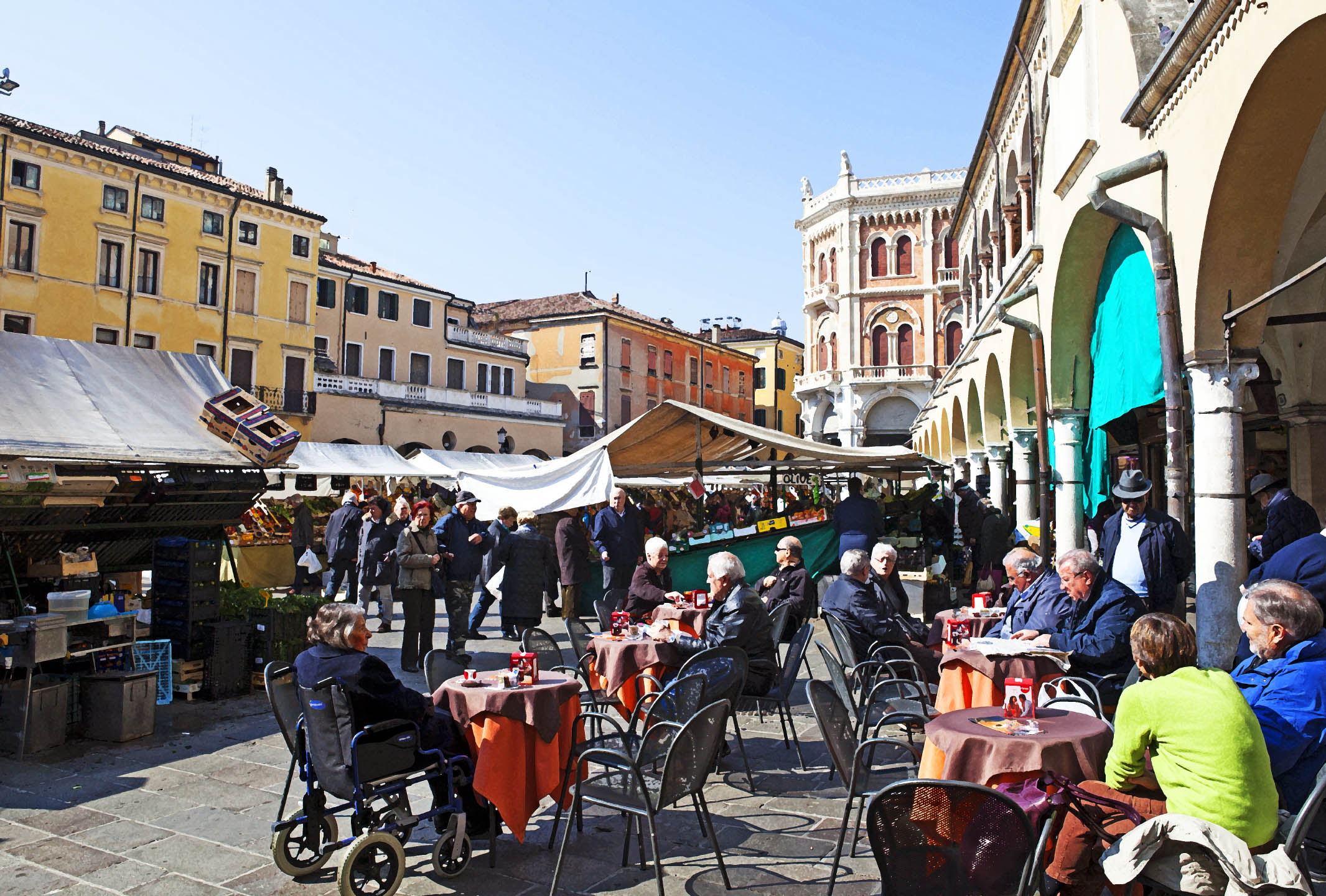
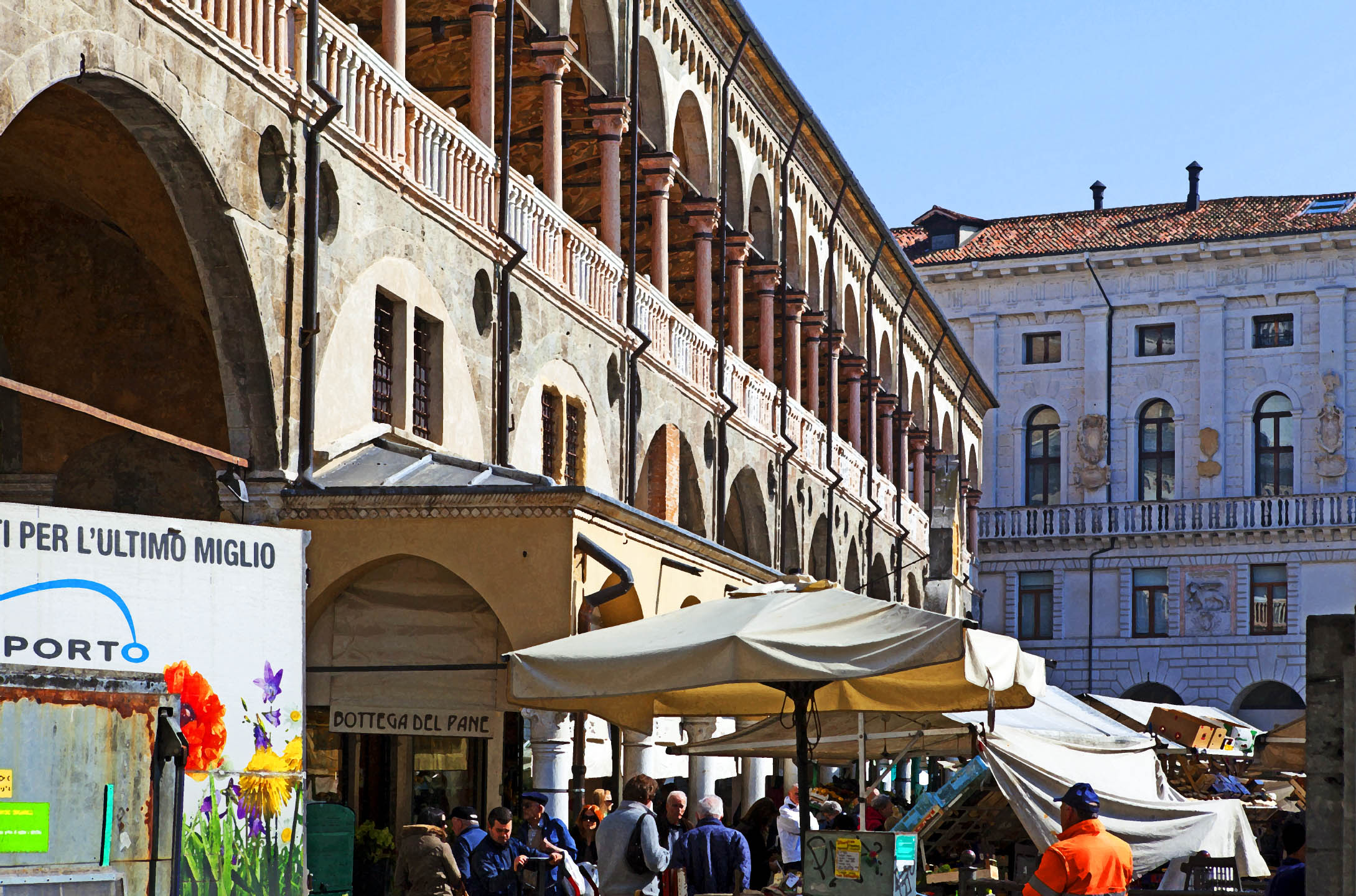
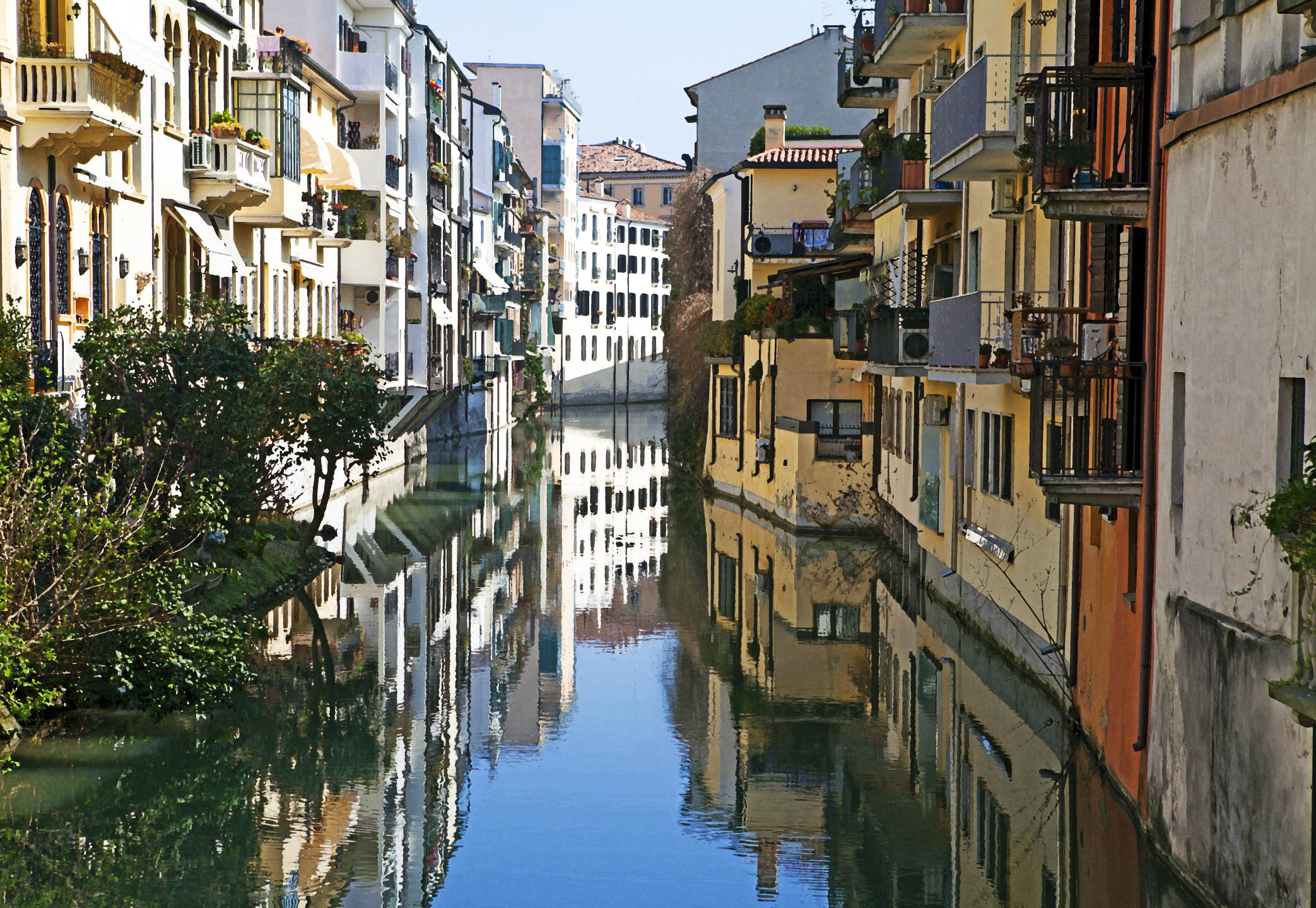
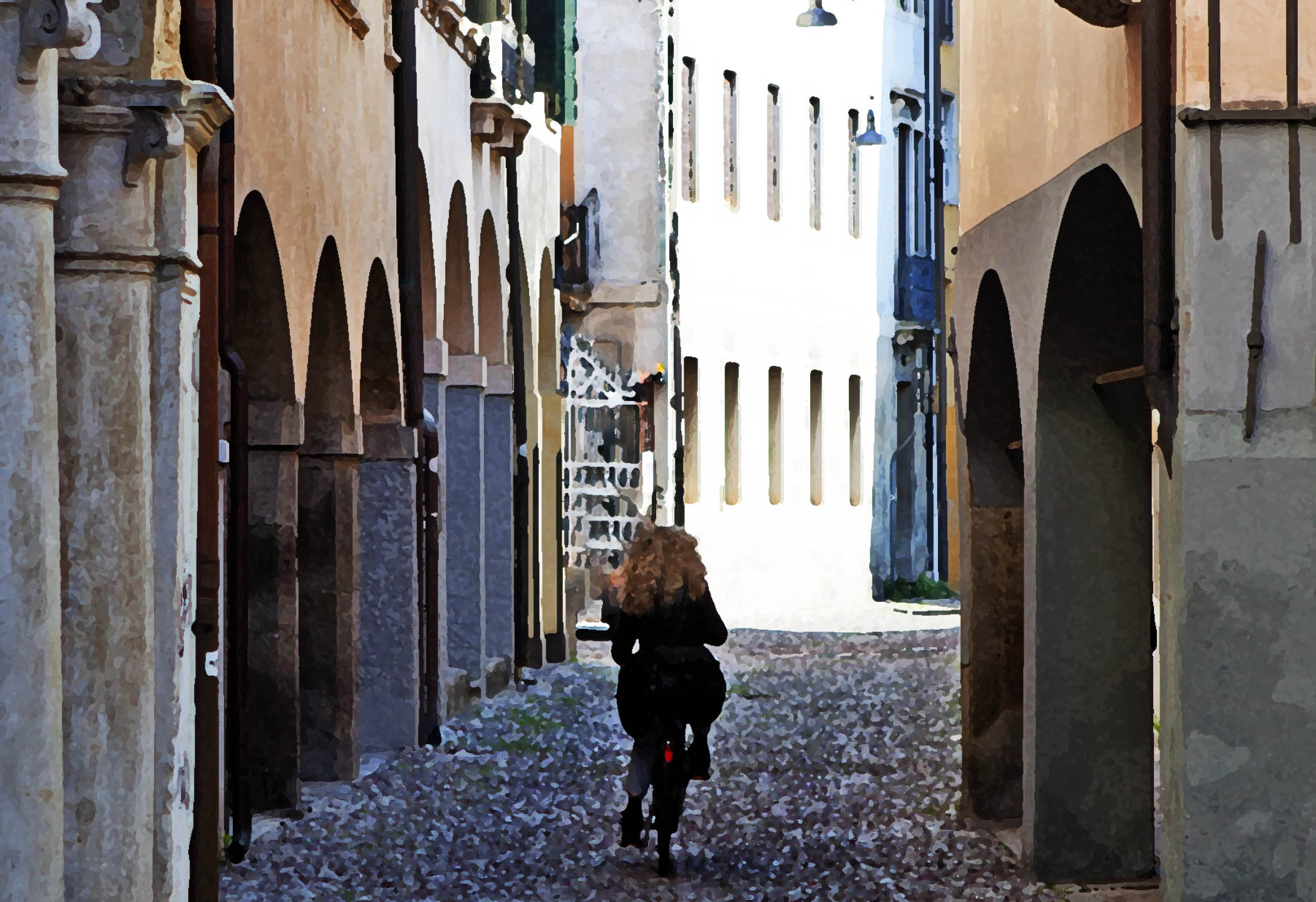
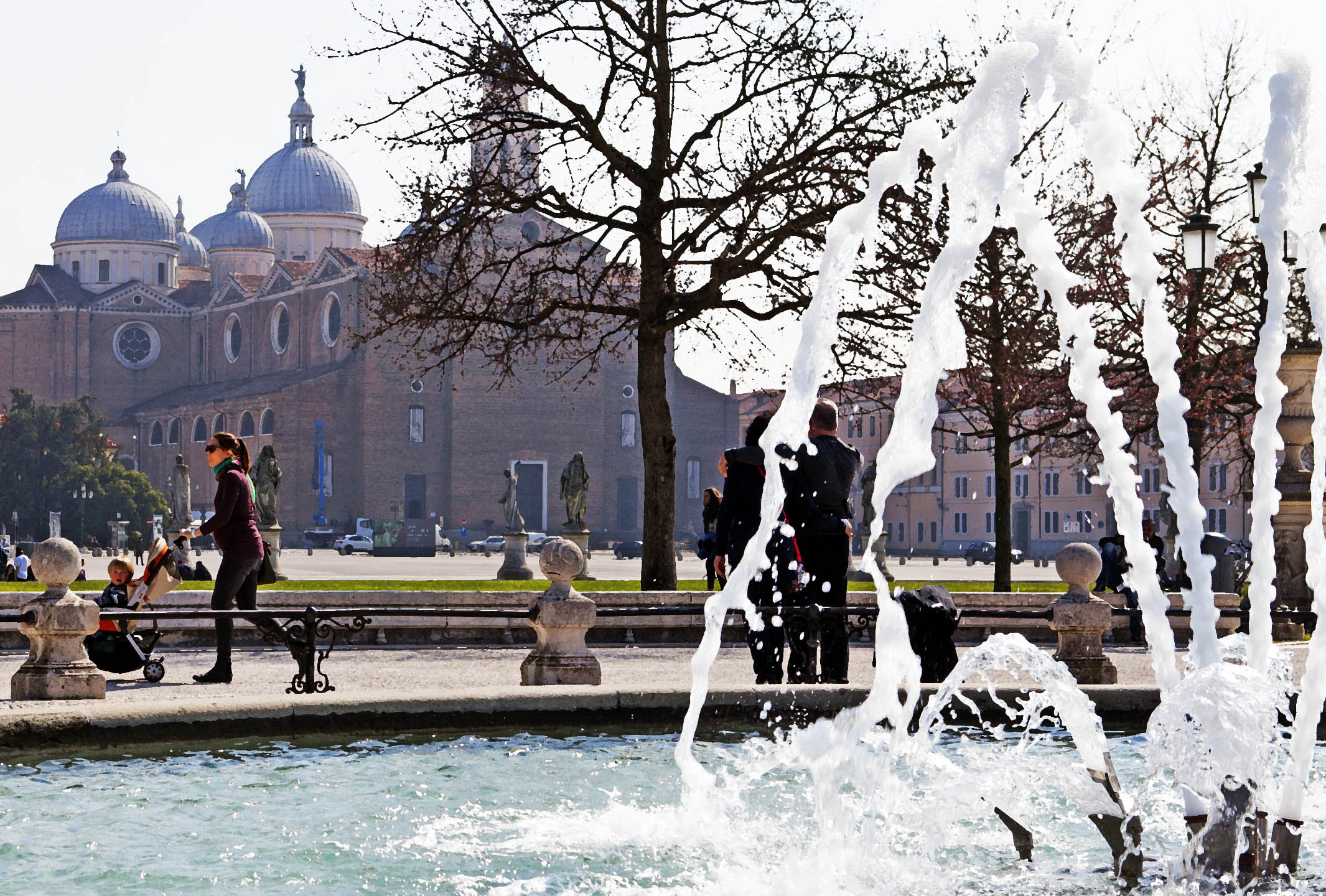
Presented here are a series of enhanced photographic images through which I make an attempt to transmit the feeling of a stroll through Padua’s  cobbled streets and along her narrow waterways…

MY POSTER PHASE…(1)

For a while during the late 1980’s and early 90’s there was a resurgence of classic poster design in British commercial illustration. For about ten years add agencies got a nostalgia pang for the poster images of the early half of the century—especially the great travel posters of companies like Cunard and P&O.

Photo-sourced images, distilled into simple, screen-print-like blocks of colour were once again all the rage which meant for me, as a keen exponent of the form, a fairly regular stream of commissions.

One of these days, when I’ve completed the transfer of all my old work copy onto a digital platform I’ll put up one or two gallery posts showing the sort of stuff I did for the likes of Thomas Cook and Legal & General.

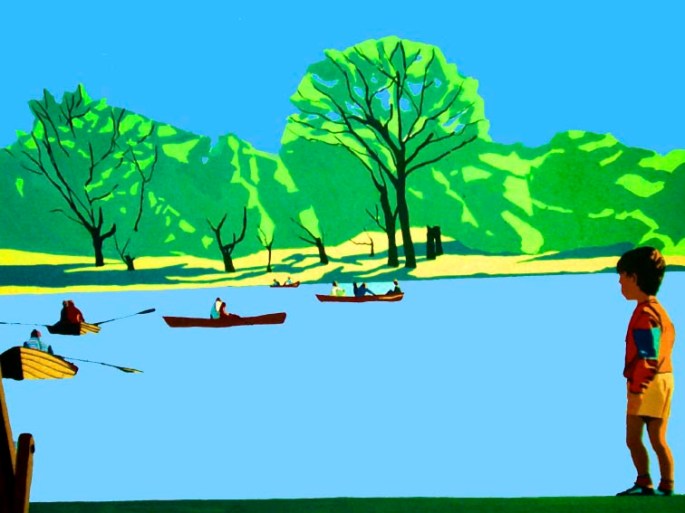
For now, here is a small gallery of highly disparate images I made for my own pleasure and exhibition.

They comprise a truly odd bunch, including as they do some kind of anti-communist poster (can’t recall if it’s aimed at Russia or China?) and a slightly weird self-portrait of me looking very miserable (suffering with heat-stroke) at a bus stop in Israel. Somewhere, I have dozens of colour slides of many more, less quirky; mostly travel related images which are now all happily sold. They too await digital conversion.
Meanwhile, these are fun—I think!


This slideshow requires JavaScript.

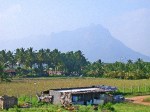
IN THE SOUTHERN GHAT FOOTHILLS

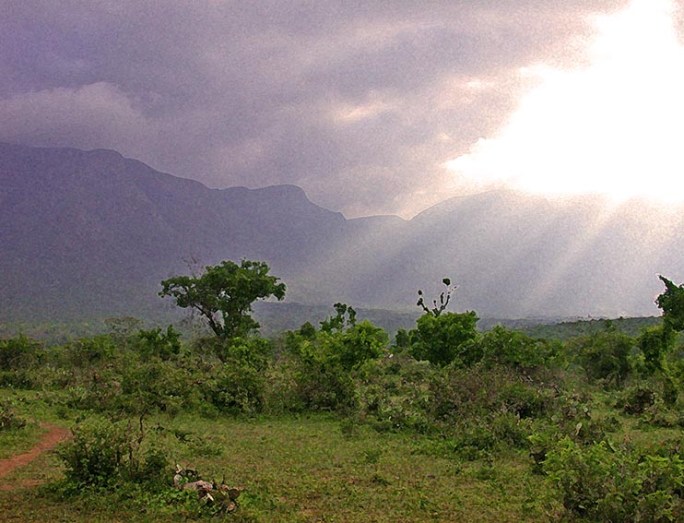
FIVE VIRTUAL “GOUACHES” OF SCENES IN INDIA’S SOUTHERN MOUNTAINS

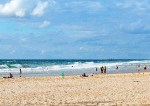
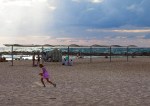
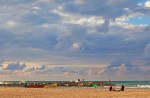
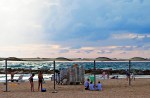
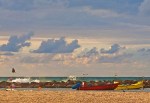
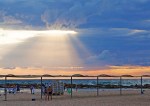
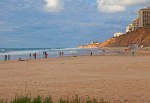
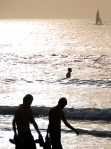
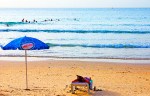
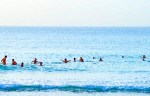
NETANYA – SUN, SEA AND SAND – VARIATIONS ON AN ISRAELI THEME

THE GREAT THING ABOUT PHOTOSHOP IS THAT IT MAKES THE EDITING OF PHOTOS AS IMPORTANT AS TAKING THEM. IT ALSO MEANS THAT ONE CAN OFTEN EXTRACT / ABSTRACT GOOD MATERIAL FROM OTHERWISE ORDINARY SHOTS. THIS GALLERY OF “VIRTUAL GOUACHES” OF THE ISRAELI COASTAL TOWN OF NETANYA ILLUSTRATES THIS PERFECTLY – ALTHOUGH I MUST ADMIT THE INCREDIBLE SENSOR ON MY CANON CERTAINLY HELPS BRING OUT THE DETAIL…

CHILE – OUR REAL CARTOON ADVENTURE (part 3 of 11)

(SEE PART 2 HERE)

7

One of the most exciting aspects for me in particular regarding our adventure was that it was my first time across the Atlantic Ocean – in fact, it was my first journey into a significantly different time-zone. So, when by our third evening in Chile I still hadn’t suffered any apparent symptoms of jet-lag it made me sceptical about the whole concept. That evening, following our long bus journey from Santiago, we were spending the night in the coastal city of Antofagasta before catching our next ride to Calama the following afternoon. Dido was still sort of vegetarian in those days (she ate some fish) and often got a craving for pasta, and as luck would have it, our Lonely Planet guide recommended an Italian restaurant as being the best place in town. After almost a day on a coach eating nothing but snacks, we were both ravenous and ordered extra large portions of pasta and we must have been about half-way through our respective plates of spaghetti when I was struck by an acute attack of something known as “delayed jet-lag”. The last thing I remember was feeling as if I’d been given a sudden heavy dose of anesthetic gas. Then, the next thing I knew, I was staggering into the street with my arm over Dido’s shoulder with Bolognese sauce all over my face. According to my mortified wife, I had fainted head-first into my pasta, and the maitre d, assuming I was drunk demanded that we leave – immediately…

7 Jetlag

8

We had one night in Calama to kill before catching another bus to our final destination the next day, San Pedro de Atacama. Following our expensive dining fiasco of the previous evening, Dido opted for a hostel described as “modest” even by our Lonely Planet Guide. Perhaps, because it was called Residencial Splendid, we hoped that it might not be all that bad, which only goes to show that one should never be deceived by a mere name. The Splendid was utterly awful. The rooms were filthy and more like prison cells than holiday accommodation and as for the state of the bathrooms – well, I’ll leave that to the reader’s imagination. But by far the worst feature of our night at the Splendid, was the bed itself – a grubby, smelly, piece of foam rubber, suspended in a steel bed-frame, devoid of support of any kind. The picture below describes exactly what happened when we got into bed, and that our extreme discomfort was accentuated by the fact that during the night icicles formed from the light and on the metal window grates due to the freezing desert night air of Calama…

8 Residencial Splendid - in name only!

9

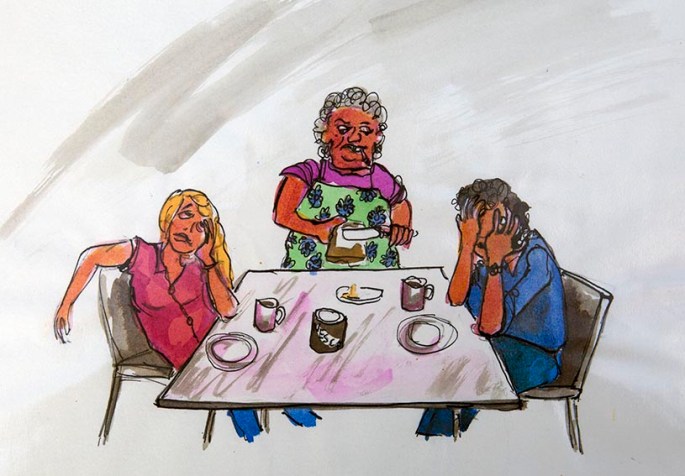
The breakfast turned out to be about as “Splendid” as the sleeping arrangements. As we took our table in the dingy breakfast room we were confronted with a pot of hot water, a jar of instant coffee and two slices of dry toast. When I asked the lady of the establishment – a stocky little woman with unkempt greasy grey hair, a cigarette stub apparently glued to her lower lip, and wearing a grease splattered pinny –  if there was any butter, she grunted in the affirmative. Then, to my amazement and horror, she went over to the neighbouring table where an elderly man in a dressing-gown was eating his breakfast and took the piece of toast from his hand, picked up his knife and scraped all the butter she could from it. She then came back to us and spread his butter scrapings onto my toast…
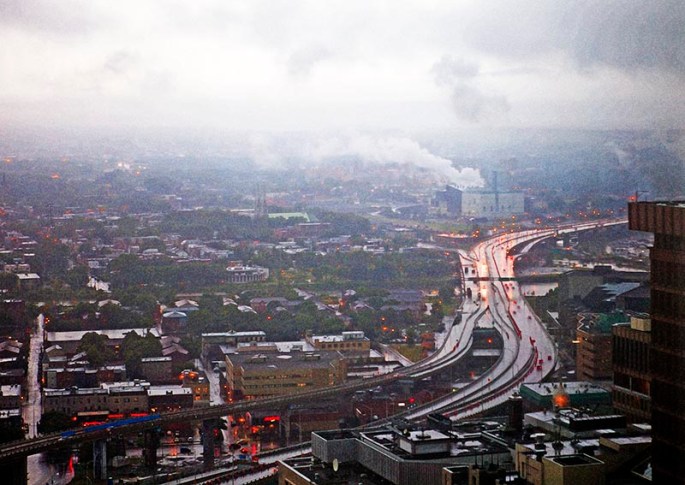
9 Splendid breakfast included

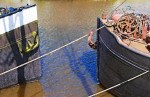
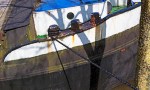
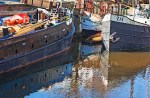
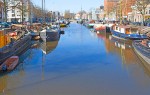
GRONINGEN – Bits of Boats (and other stuff)

A gallery of virtual “gouaches” from one of Hollands beautiful northern cities.

QUEBEC CITY – SIDEWAYS-ON

A SMALL SERIES OF DIGITAL “GOUACHES” OF CANADA’S FRANCOPHONE CAPITAL