The Wilderness of Zin – Yahweh’s Kingdom?

10-timna-sth-moab-mountains-3-b

This next post is a rare acknowledgement by yours truly of the approach of a Jewish festival. The Ten Days of Penitence, beginning with Rosh Hashana (the Jewish New Year) and culminating with Yom Kippur (the Day of Atonement ) are nearly upon us and it got me to thinking about desert landscapes.
1-ramon-crator-looking-east-3

I nearly always think of desert landscapes when any of the four main (“Mosaic”) Jewish festivals come around (Rosh Hashanah, Passover [Pesach], Pentecost [Shavuot] and Tabernacles [Succot]) as they were all – according to tradition – conceived during the desert wanderings of the Children of Israel – sometime around the 12th to 11th centuries BC.

2-ramon-crator-looking-south-3

These days most biblical historians, archaeologists and scholars dispute these wilderness origins for most, if not all of these festivals, dating them instead to reigns of the later kings of Judah – somewhere about the 8th to 7th centuries – or even as late as the Babylonian exile during the 6th to 5th centuries BC.
3-ramon-crator-looking-south-1

But whatever the exact historical origins of these celebrations they are fundamentally related to the worship of the ancient desert god Yahweh – one of the several Israelite/Hebrew components for what would gradually evolve into the eventual single Jewish God.

4-ramon-crator-clarinet-practise

Having been fortunate enough to travel extensively throughout most of the “Mosaic Wildernesses” – known today as the deserts of Sinai and the Negev (or Arabah) it is not hard for me to understand how the ancients came to regard these spectacular landscapes as the domain of supernatural beings, and even gods. They have a mystery and a feeling of wonder, which in certain lights and conditions can be almost overwhelmingly sensually intense. The evening winds cascading and rebounding through the canyons of the southern Sinai mountains at dusk sounds like the angry roar of giants – or even the voice of the gods.

5-ramon-crator-looking-south-2

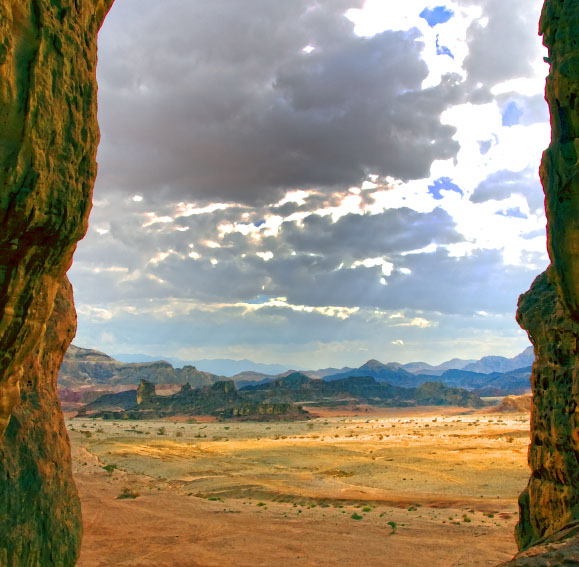
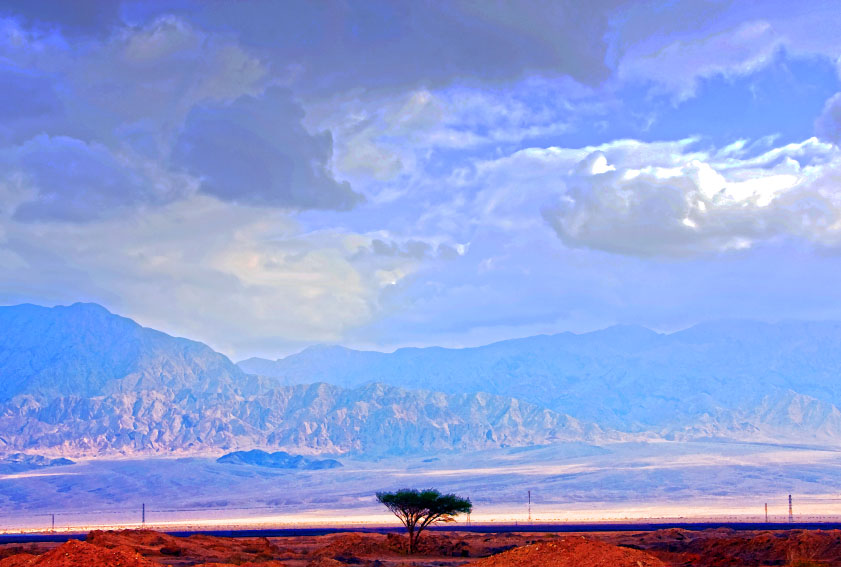
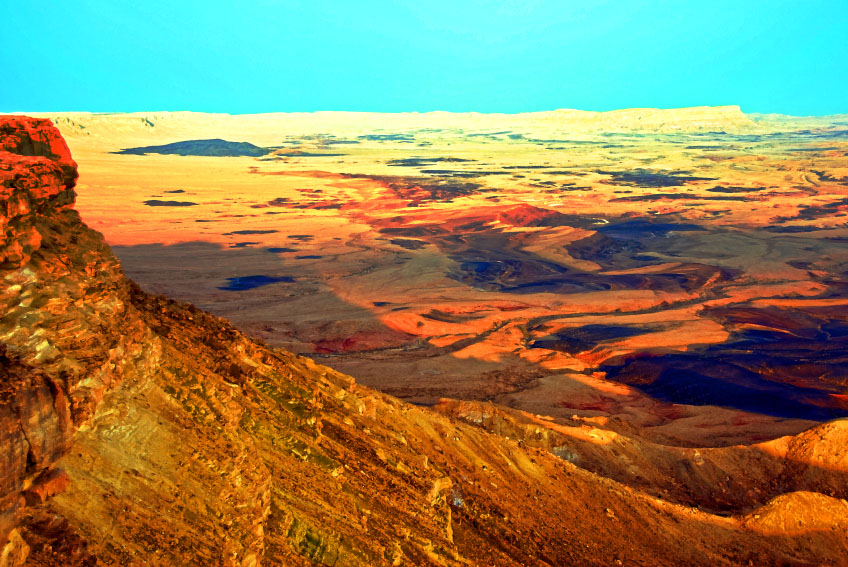
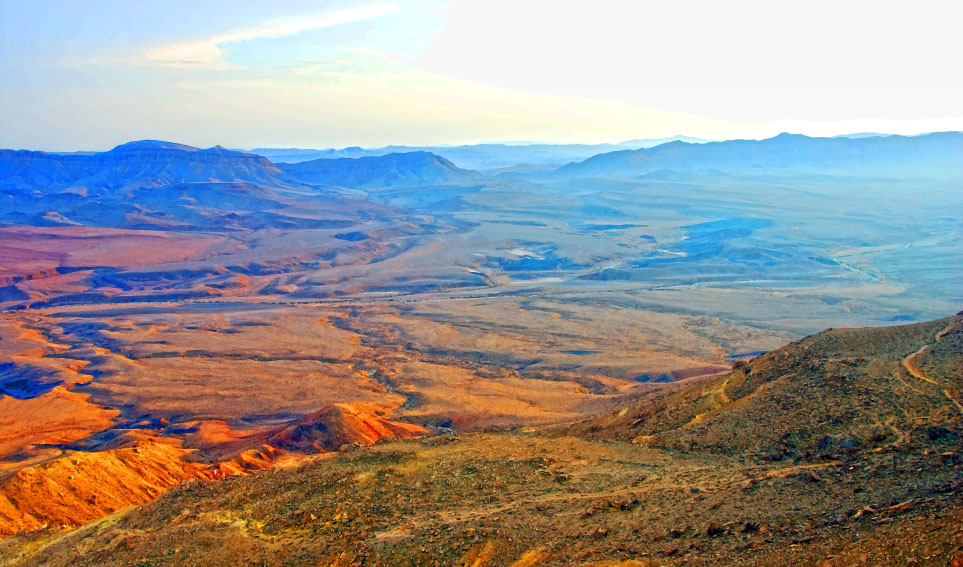
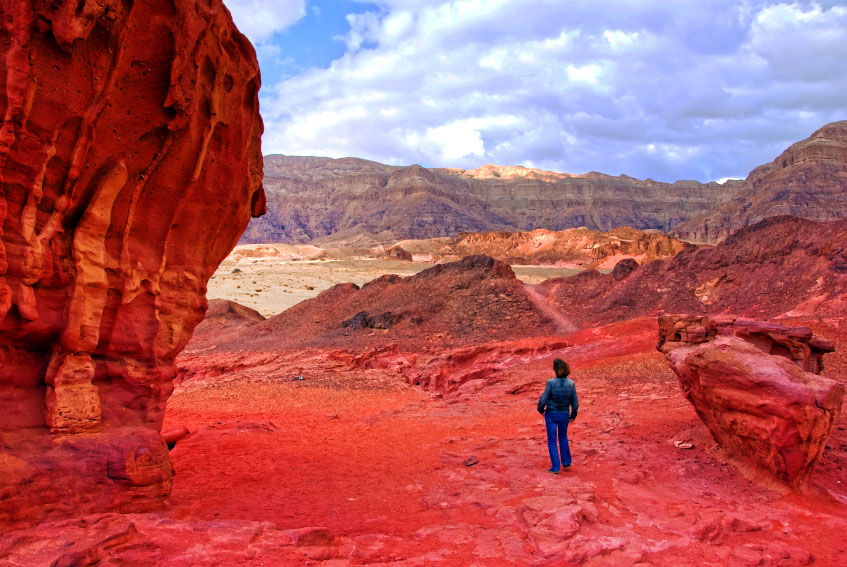
However, the current scholastic consensus is shifting northwards from southern Sinai to the less lofty, though equally spectacular jagged hills and psychedelic plains of the central Negev – formally known as the Wilderness of Zin – as being the true domain of the Hebrew Yahweh and even the location of his sacred mountain stronghold of Horeb.
6-timna-mushroom-and-half-view-1

Whatever the eventual verdict regarding the birthplace of the Jewish God will be – assuming a verdict is ever arrived at – Zin remains my favourite place on Earth. I think these images here give you a taste of the “divine” and rugged beauty of the place.

7-timna-park-looking-west-1

A very hearty Shanna Tova to you all!

9-timna-solomons-pillars-walk-way-view-3

STOCKHOLM’S INDIAN SUMMER

I get the feeling that a warm, sunny September in Stockholm is rarer than a hen’s tooth, and judging by the way the locals were eagerly soaking up the precious UV, like squirrels frantically collecting nuts for winter, this was an extremely welcome climatic anomaly.

In any event, the low-slung solar disc  was a tremendous bonus for me as it cast a magical golden light and long shadows on a city even more handsome than its inhabitants. In the images presented here I’ve tried to encapsulate the experience of  seeing colourful Stockholm bathed in that extraordinary light and contrast.

Mind you, rarely have I gone anywhere for a first visit with more preconceptions, and the sight of so many impossibly good-looking, blonde, bronzed sun-worshipers fulfilled two of those on a very long list. (The rest of that list, in regards to preconceptions both confirmed and shattered is a definite subject for a future post).  Enough to mention here that something I wasn’t expecting was the apparent identification many men of a certain age in Stockholm seem to share with Jeremy Clarkson – I’ve never seen so many men, in one town, of 50+ years of age, in white shirt, sports or leather jackets and tight jeans…

DANCERS

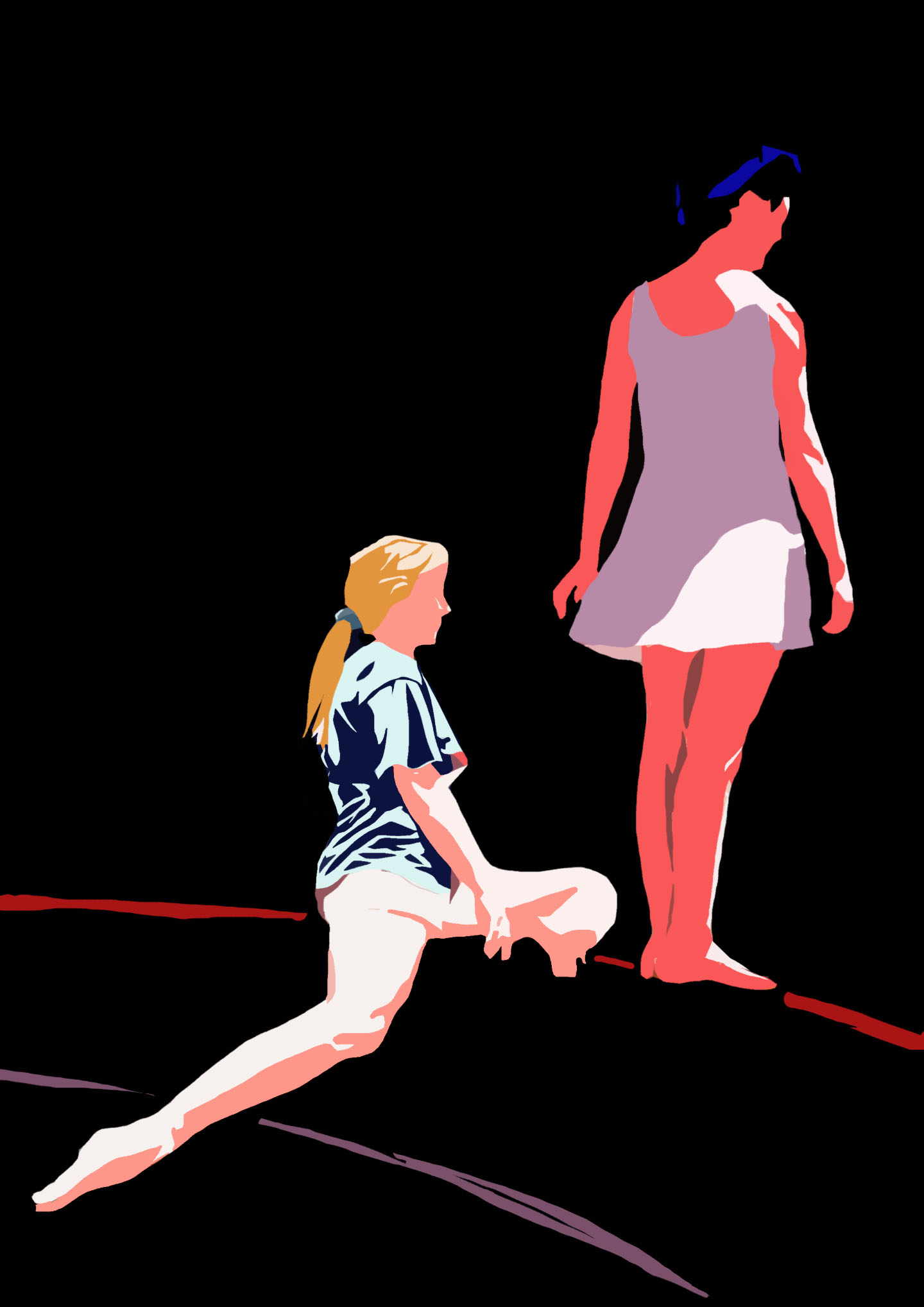
Having had such a positive response to my earlier post “The Morning After…” I’m now following that up with another series of images which have done well for me in the past, having given them a similar treatment to the nudes.

These originate from studies I did of my wife Dido and a girlfriend of hers – another ex-Royal ballerina – as they kindly posed and pranced around for me one evening here on our terrace in southern Spain many exotic moons ago.

Enjoy…

Ideal Beach Resort LIME CHICKEN CURRY

IMG_3515

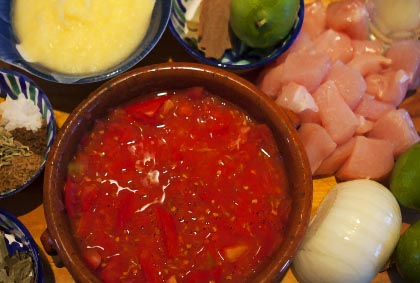
Yesterday afternoon I was pouring through my collection of Indian cookery books looking for something different to do with a chicken breast languishing in my fridge. As often happens on these occasions, after ten minutes or so of not finding quite what I was looking for,  I was about to revert to my trusty old Madhur Jaffrey butter chicken when a piece of paper being used as a bookmark caught my attention.  Frayed and food-stained, it turned out to contain a barely legible biro-scrawled recipe for a chicken curry. After further examination, I noted that it contained some unusual culinary bedfellows for an Indian chicken dish – things like  olive oil, ground caraway seed, lime juice, and most particularly, both bay and curry leaves. Then suddenly I remembered a swelteringly hot and sticky afternoon spent in a hotel kitchen in southern India in the autumn of 2003.

IMG_3513

We were guests at the aptly named Ideal Beach Resort, in Mahabalipuram, on India’s Tamil coast, resting up for a few days before travelling inland to Coimbatore (where my wife Dido was to help in the establishment of a clinical education centre for children with autism).

I think it was on our first evening there, during supper, we got chatting with a very affable American couple at the next table who turned out to share our enthusiasm for the delicious local cuisine. At some point during the meal the four of us were invited by the maître d to visit the kitchen the following lunchtime to watch our food being prepared. Cathy – the lady of the American couple and a veteran of the Ideal Beach Hotel – chose the menu, including the lime chicken curry which turned out to be as delicious as it was unusual.

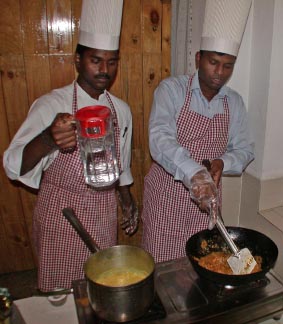
The rare blend of ingredients and spices was explained by the fact that our young head chef, although a Tamil, had been trained in Bengal and enjoyed fusing the two distinct culinary traditions.

2003 India Lunch with Cathy & Richard
Cathy, Richard, Dido and yours truly enjoying our curry lunch

Fortunately Dido had the presence of mind to record the preparation of the curry and – albeit thirteen years late – I was able to decipher the recipe and apply it to the chicken breast in my fridge.  And, it was absolutely delicious! The caraway, lime, bay and curry leaf are a group marriage made in heaven – a complex and unctuous harmony of savoury, fragrant bitter sweetness that transforms humble white chicken meat into a thing of olfactory delight.

There are two ways to sample this fabulous curry – either follow the recipe below, or better still, go and visit the Ideal Beach Hotel. I can recommend both.

(Chapatis and a hot lime pickle are excellent with this curry also, if using fresh curry leaves, add at the same time as the lime juice.)

RECIPE

Ingredients

¼ cup:                             olive or coconut oil
200gm / 8oz:                       diced chicken breast

SPICE MASALA I 

5cm / 2” stick:                                cinnamon
2 – 3:                                           cloves
2 - 3:                                    cardamom pods
1:                                             bay leaf
1:                                onion – finely grated
5cm / 2” piece:    ginger – peeled and coarsely chopped
6 cloves:          garlic – peeled and coarsely chopped
2 tbsp:                                           water
1:                           large, ripe tomato chopped

SPICE MASALA II

½ tsp:                                        turmeric
1 tsp:                                    chili powder
1½ tsp:                          ground coriander seed
1 tsp:                                     groud cumin
1 tsp:                                    garam masala
1 tsp:                             ground caraway seed
1 tsp:                               whole fennel seed
1 tsp:                                            salt
3:                                        curry leaves
½ ltr / 1 pint:                                  water
To taste:                                         salt
¼ cup:                                      lime juice

METHOD
  1. Blend the ginger, garlic and water into a paste
  2. Heat the oil in a kadai or a heavy skillet on a medium high heat
  3. Brown the diced chicken thoroughly, then remove from kadai and put aside (retaining the juices)
  4. Add masala I to the kadai and sweat for 5 minutes, stirring constantly until well browned
  5. Add onion to kadai and stir-fry until browned
  6. Add the tomato to the kadai and fry for 2 minutes until oil separates from the masala, onion and tomato paste
  7. Add the ginger and garlic puree to the kadai and stir for 1 minute
  8. Return the chicken and its juices to the kadai and stir well
  9. Add masala II and the curry leaves to the kadai and stir well, making certain the chicken is well coated
  10. Add the water, making sure to deglaze (scrape) the bottom of the kadai
  11. Bring to the boil, then cover and simmer for half hour
  12. Remove cover and cook over a high heat for about 10 minutes, until the sauce begins to thicken
  13. Add more salt (if necessary) and the lime juice, stir well and remove from heat
  14. Remove cinnamon, cloves and cardamom pods before serving

Two Chefs
Our chef (right) and an assistant

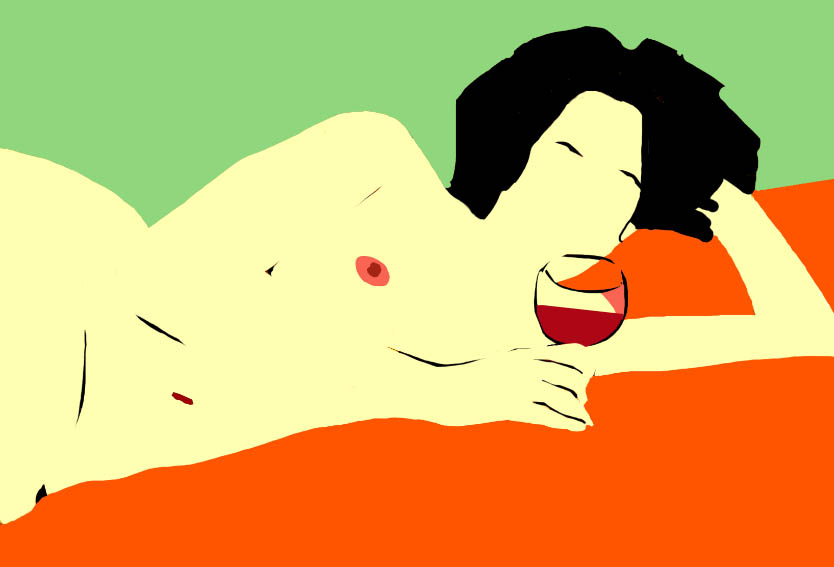
THE MORNING-AFTER…

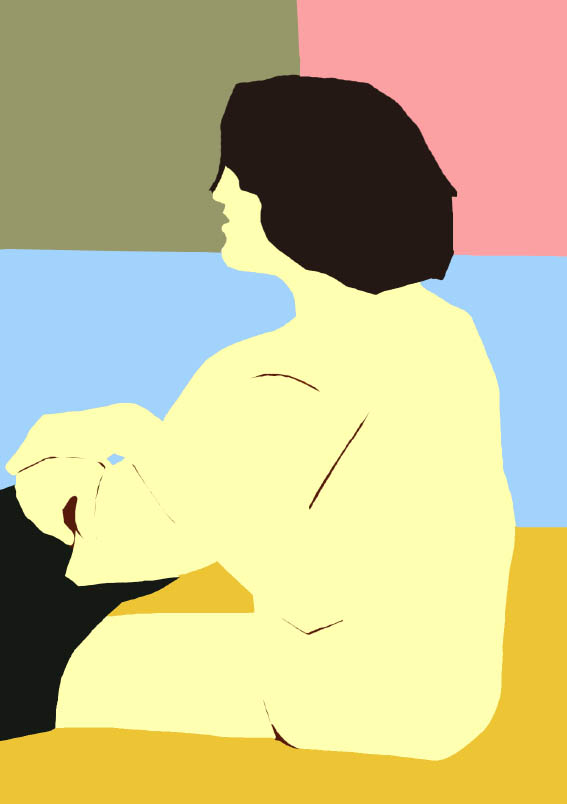
A while back I posted a gallery of images of a lovely girl from Toulouse who posed for me after a night of love-making. 

In the decades since that wonderful night and thrilling morning-after I have returned to these images many times, in different media; from charcoal and coloured inks, to pastels, oils and most successfully – from a commercial standpoint – in gouache. In fact, it was the gouache originals that inspired the pictures in that earlier post.

However, I’ve long thought that a Matisse-esque, colour block / cut-out technique would most suit this subject – an uninhibited French inspired method for an uninhibited French subject. 

After many long hours of honing my Photoshop skills I think I’ve achieved my aim of making fun, jazzy and – in this case at least – sexy images. The several people who have seen them in preview have universally approved and now I’d be most interested to know what you, my followers and other viewers make of them?

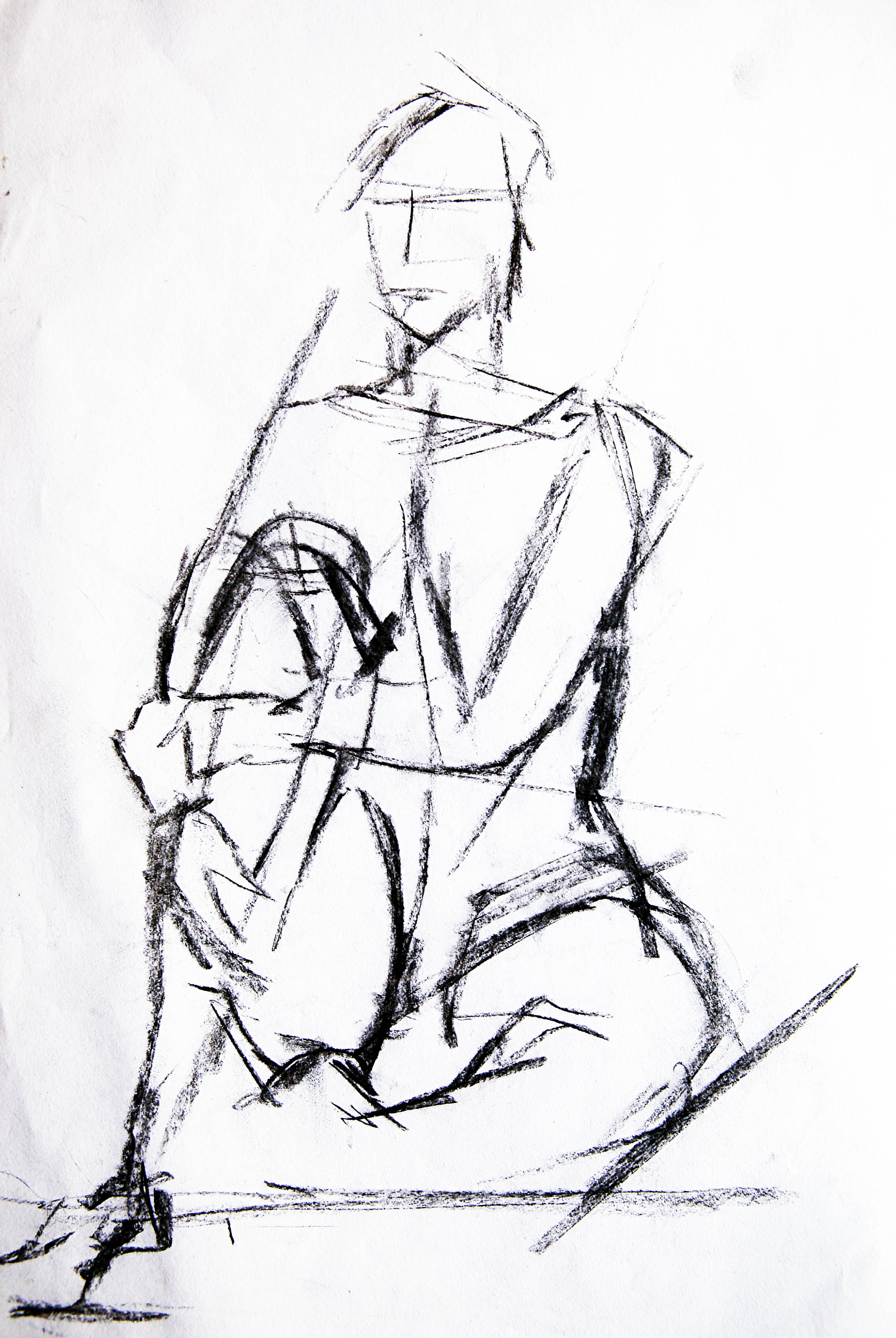
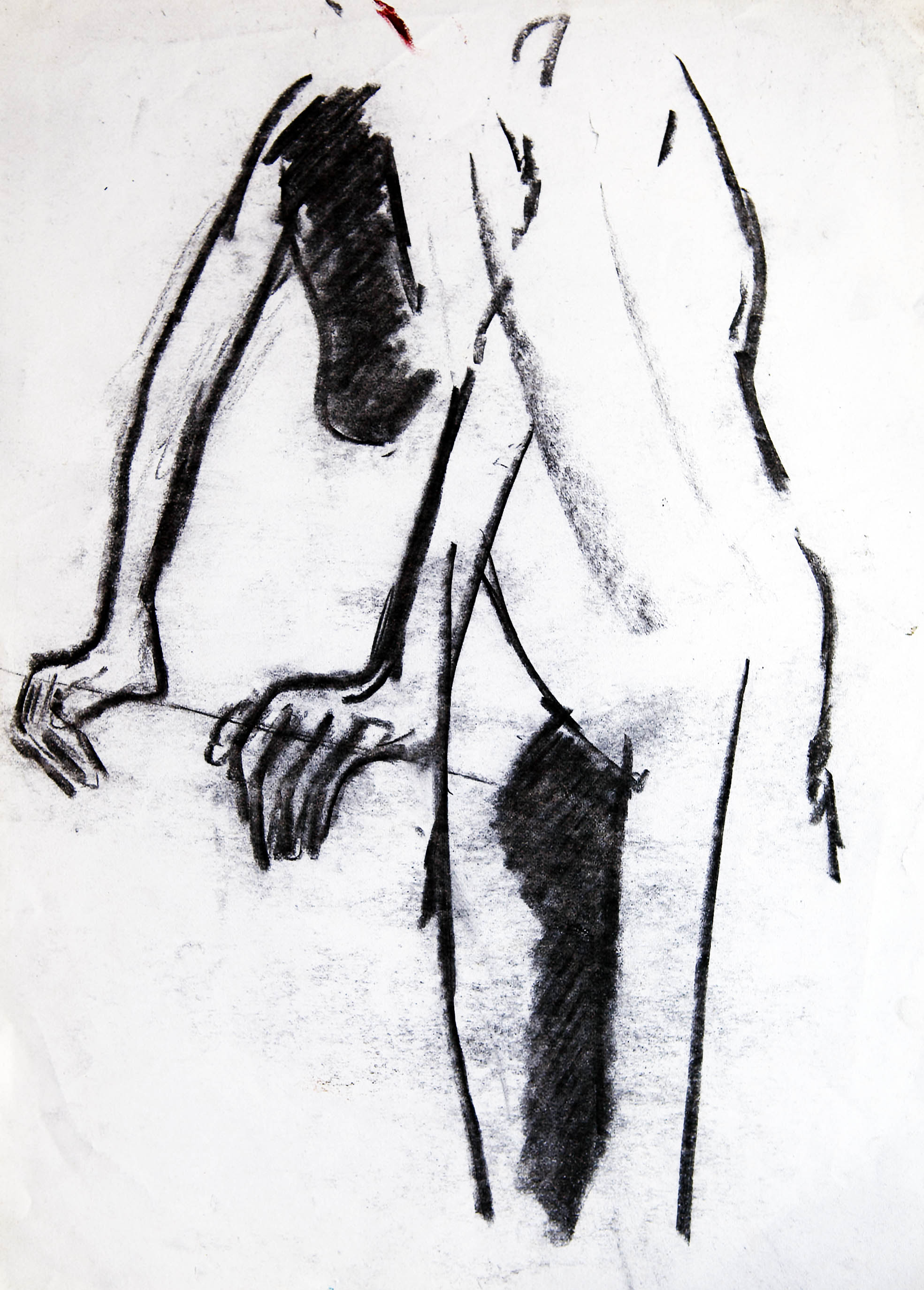
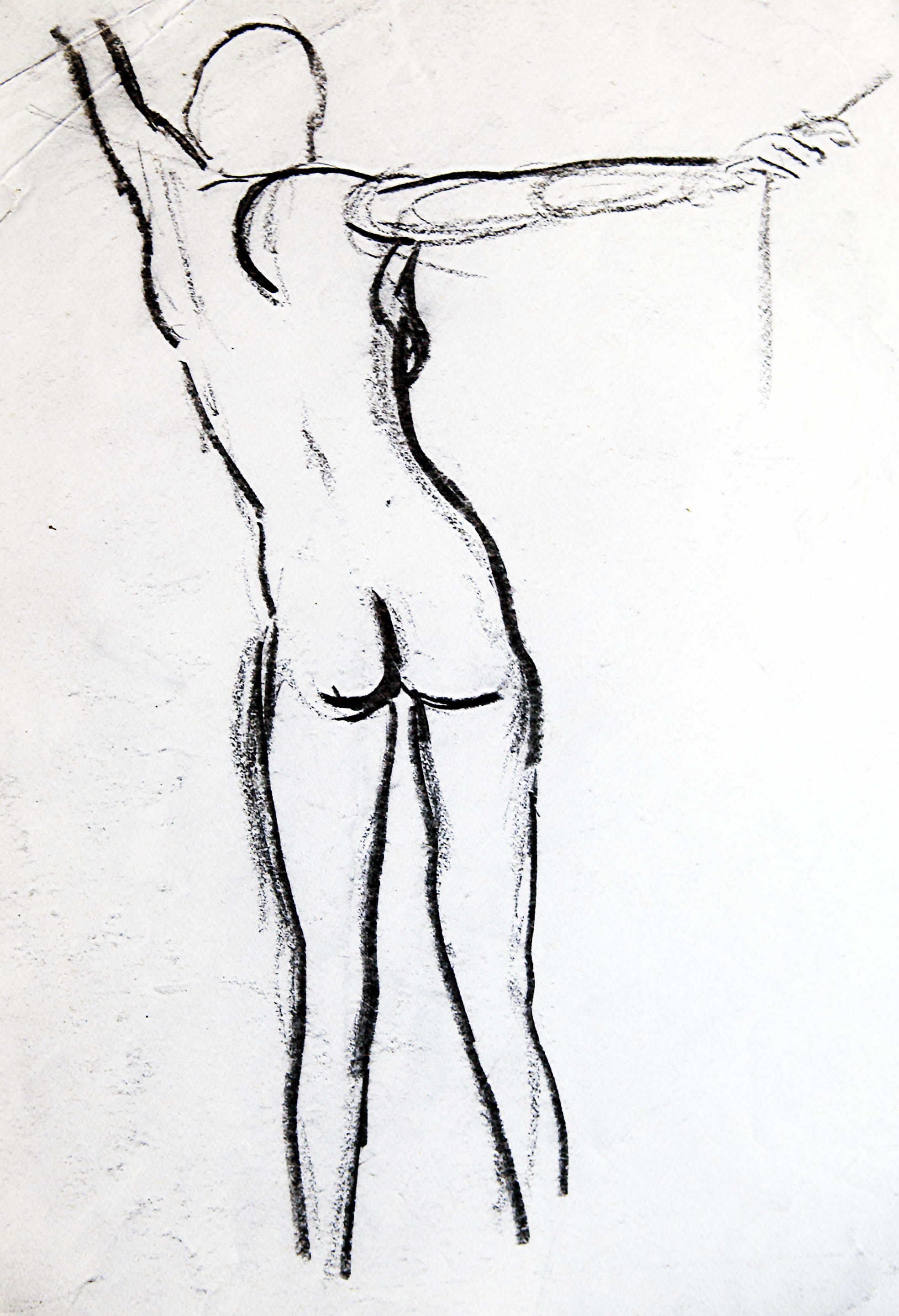
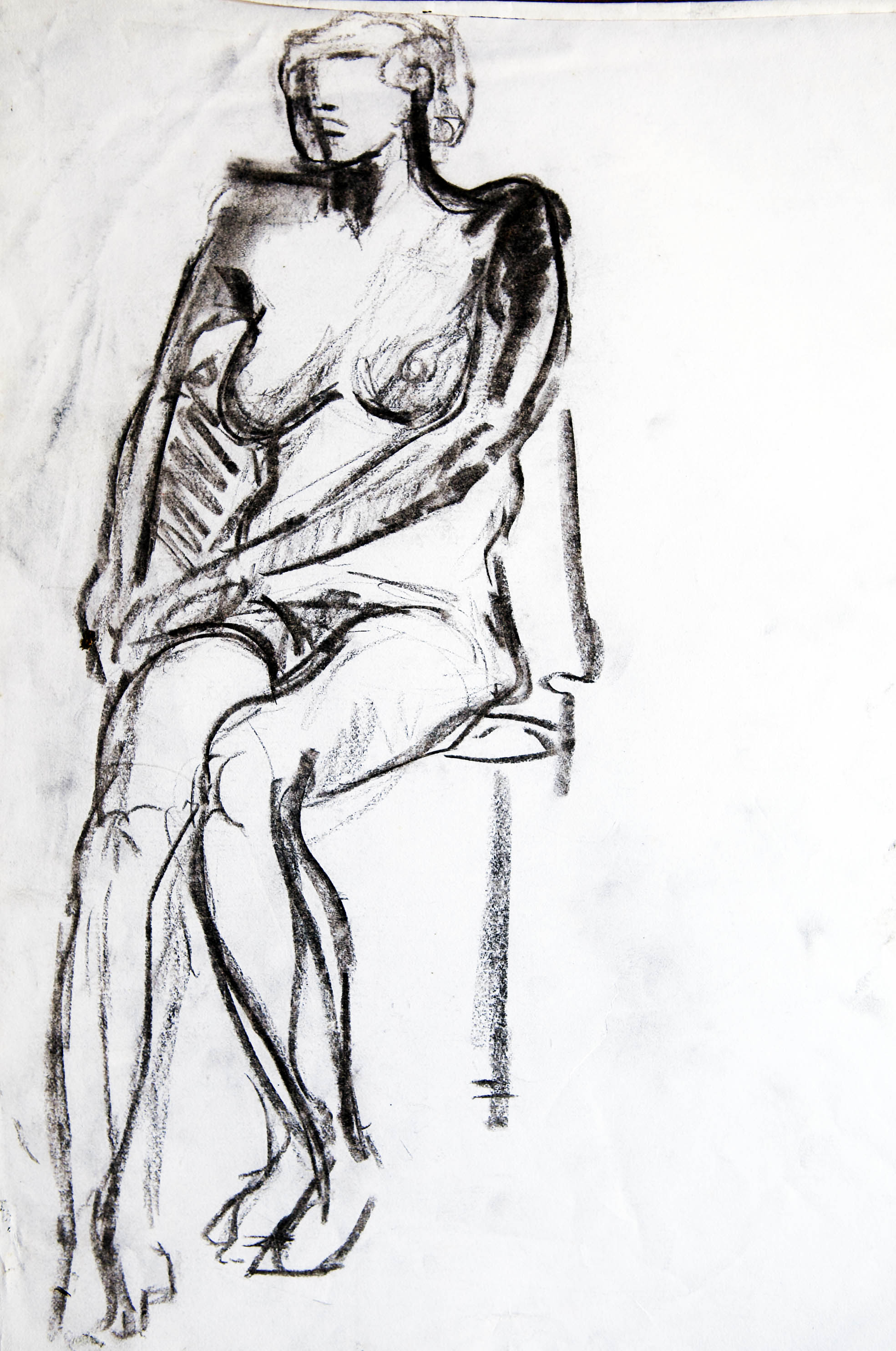
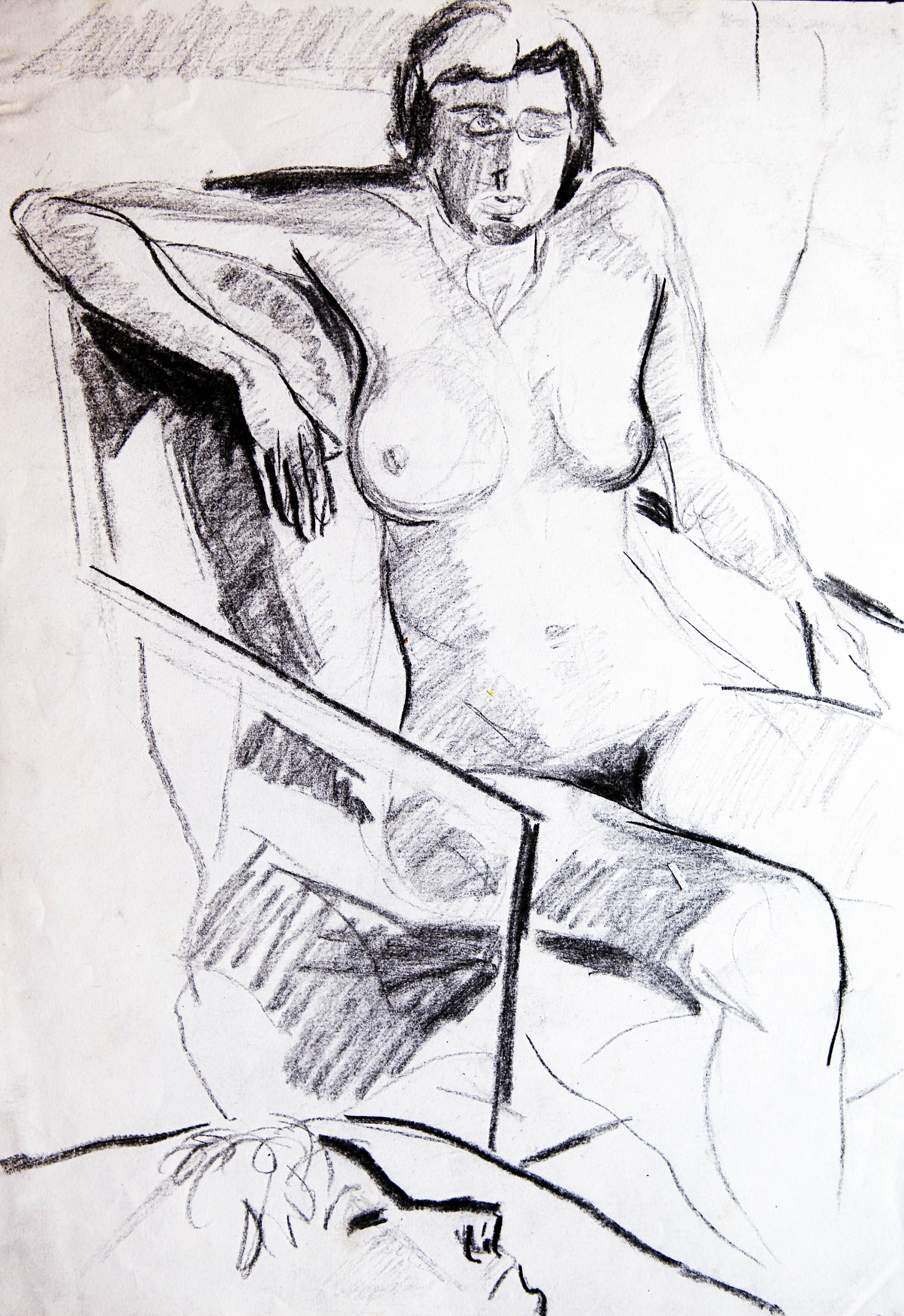
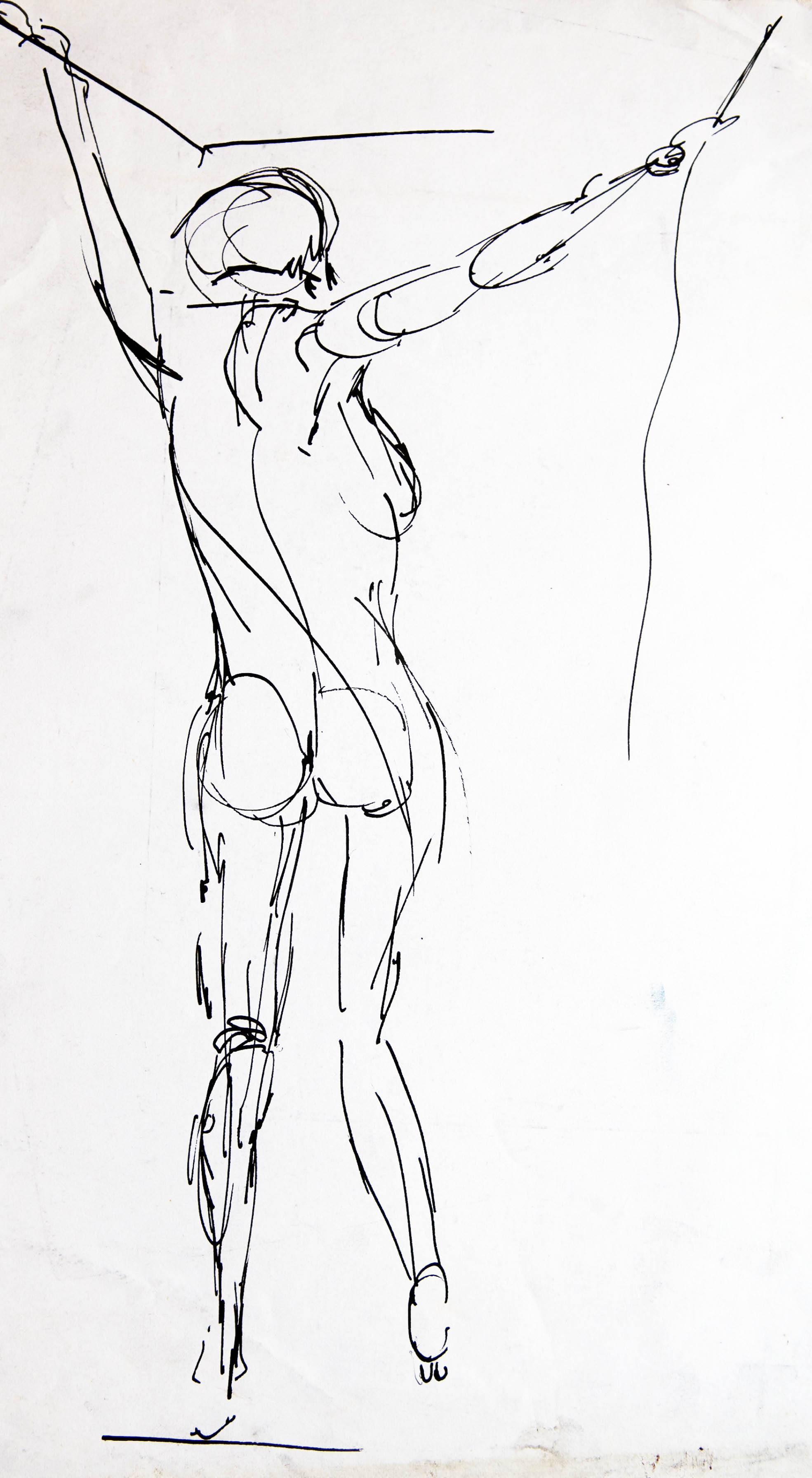
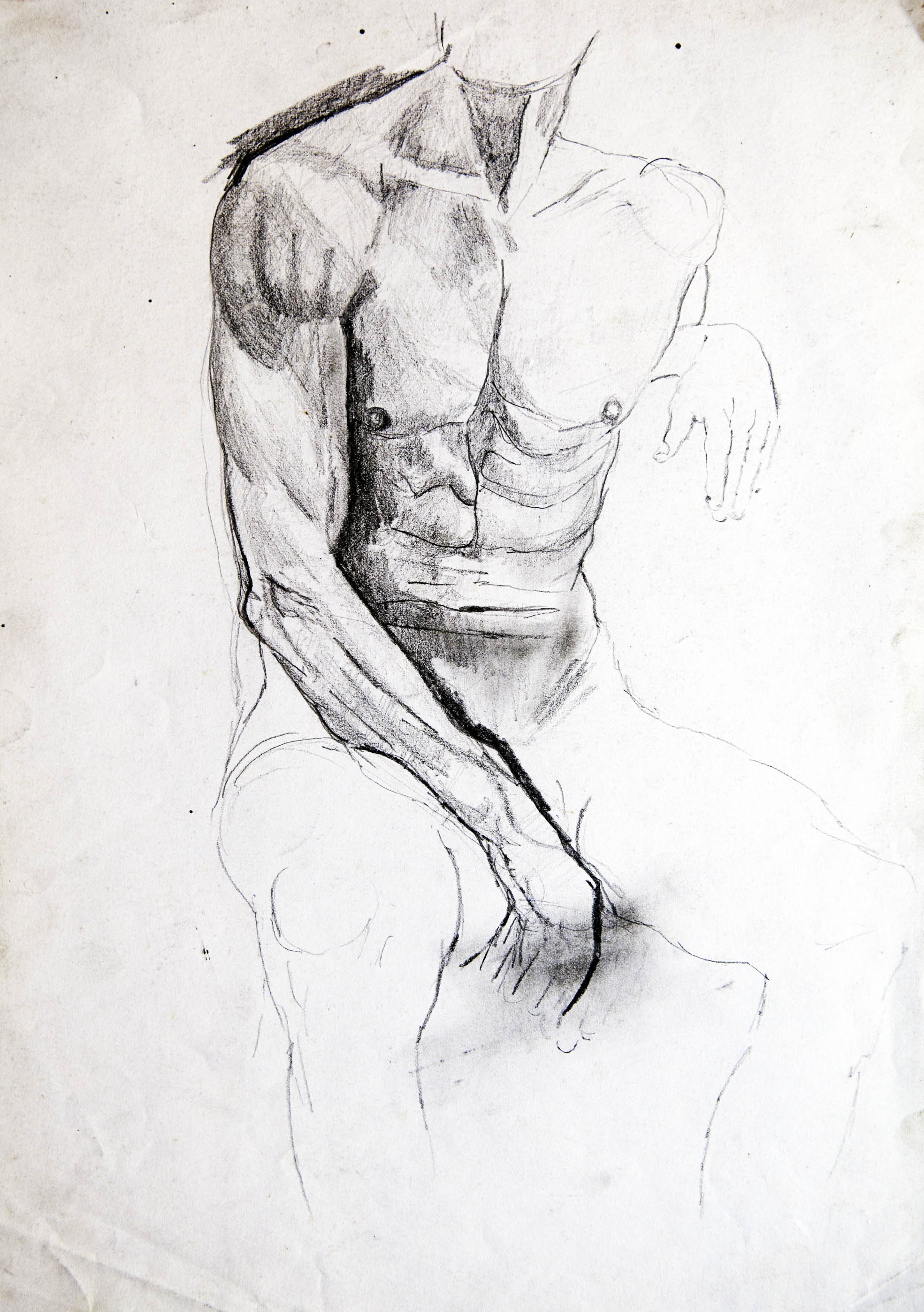
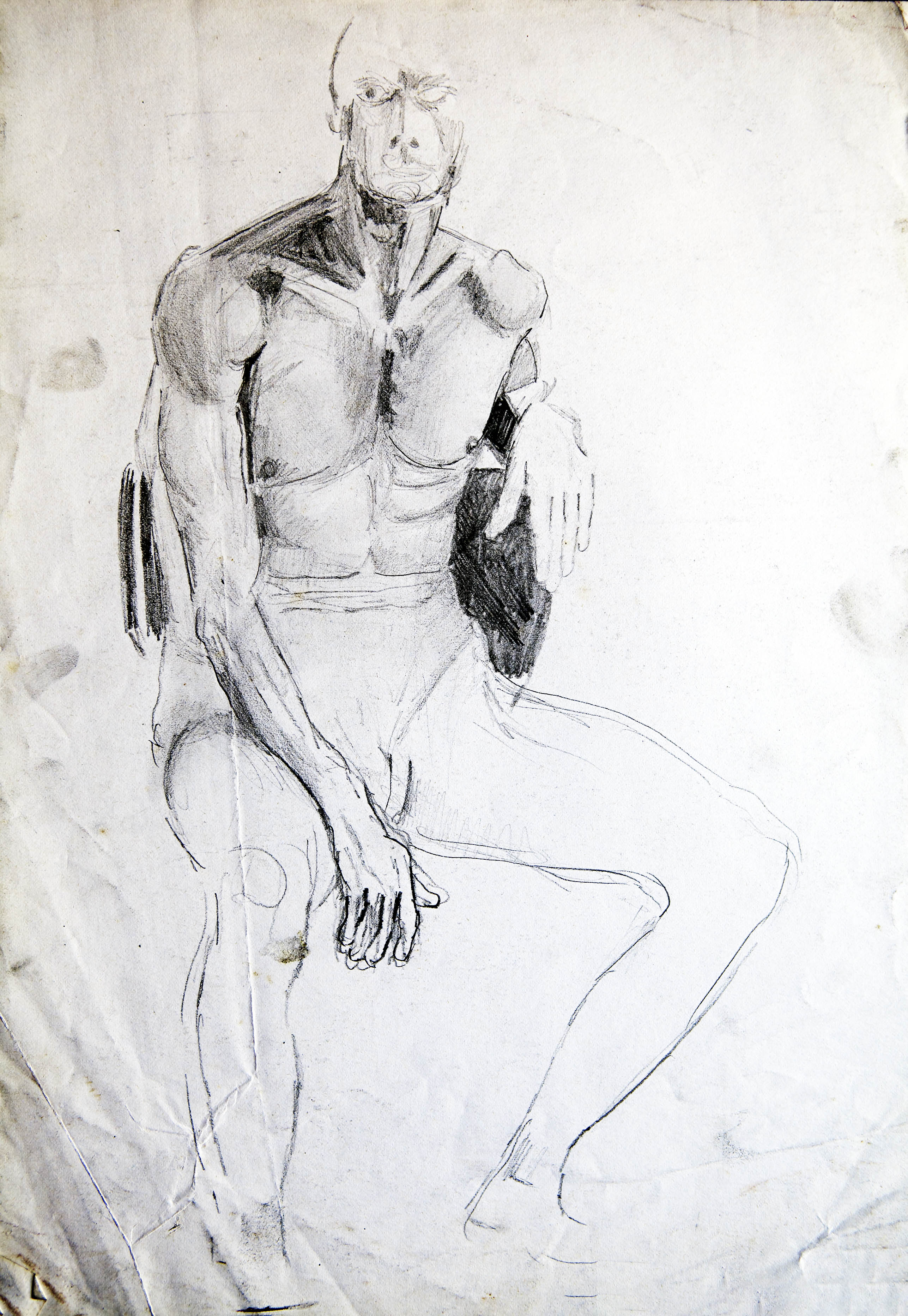
MY ART CAREER 3 (d) – SAINT MARTINS 1979: NUDE SKETCHBOOK

In an earlier post I promised to reveal the fruits of my hours spent in the life room at St. Martins.

I always try to keep my promises, so here are the contents of my sketchbook dated 1979.

Looking at these drawings now after so many years hidden away in a drawer in my old plan-chest, what strikes me is their raw honesty. How good or bad they are I’m not the one to judge (although I’ve seen worse), but whatever else, they are truthful, even to the point of portraying how terribly bored the models were in most of the poses. I can also perceive the instinctive cartoonist in me trying to break out, especially in F&M 1.

I referenced several of these in my biblical themed paintings later that same year, especially the Adam and Eve series, and then in 1980, a couple of them were very useful for my “Wanderers” pictures.

TEX-MEX SURPRISE – SAN ANTONIO

I guess it was those repeated boxing -day viewings of John Wayne’s “The Alamo” throughout my early childhood,  which formed my earliest imaginings of San Antonio. So much so, that all the travel books and all the Googling and all the acquired knowledge from numerous TV documentaries about the great modern-day city it has subsequently become could not erase those preconceptions. As  ever, it was only by actually visiting  the place that reality could finally trump the Hollywood representation in my mind’s eye.

Unlike most of its “fellow” mission station at Rorke’s Drift – the scene of an equally heroic-if-more-successful stand against vastly superior numbers – the original Alamo mission building  is still standing, and remains the city’s main tourist attraction. But equally, in stark contrast to its South African equivalent where the scene of the battle has barely changed since 1879, the Alamo building, now stranded in the middle of a thriving, colourful modern city – rather like an old man at a rave  – evokes little of its historical connection to the conflict of 1836.

For me at least, this did not prove a disappointment, as the city itself has so much more to offer the contemporary traveller than the murky history of Davy Crockett’s doomed and vainglorious encounter with Santa Anna.

Apart from all the culture – of which there is plenty, like most American cities – and  the delicious Texan, Mexican and Tex-Mex cuisine on offer, there is the beautiful “river walk”.

The river walk is an elaborately engineered system of canals and waterways by which the once lethal San Antonio River now flows harmlessly and elegantly beneath the downtown area of the city. Like a kind of sub-tropical Amsterdam-cum-London’s Regent’s Canal, the river walk by day offers a cooling and serene contrast to the stifling bustle of the commercial streets above, and at night transforms into one great waterside party. Long sections of the water walk are lined with countless numbers and endless varieties of eateries and bars, with plenty on offer for those not satisfied with merely tacos and beefsteak, from British style gastro-pubs and high-end French and Italian bistros and trattorias , to every type of Asian cafe and restaurant. It’s a simply wonderful place to while away an evening or several!

The images presented below barely do San Antonio – and in particular the water walk – justice, but they do begin to give the feel of the place.

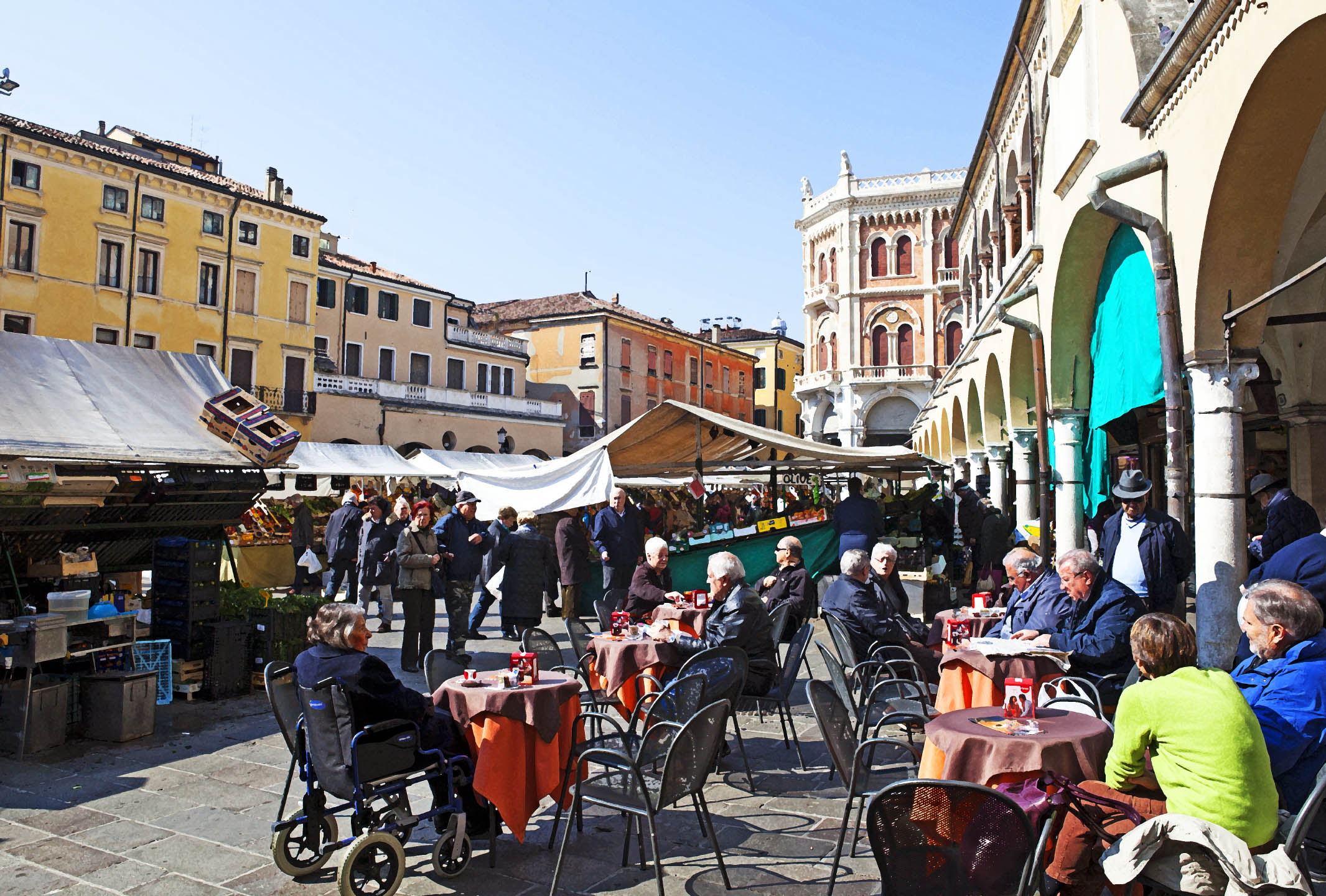
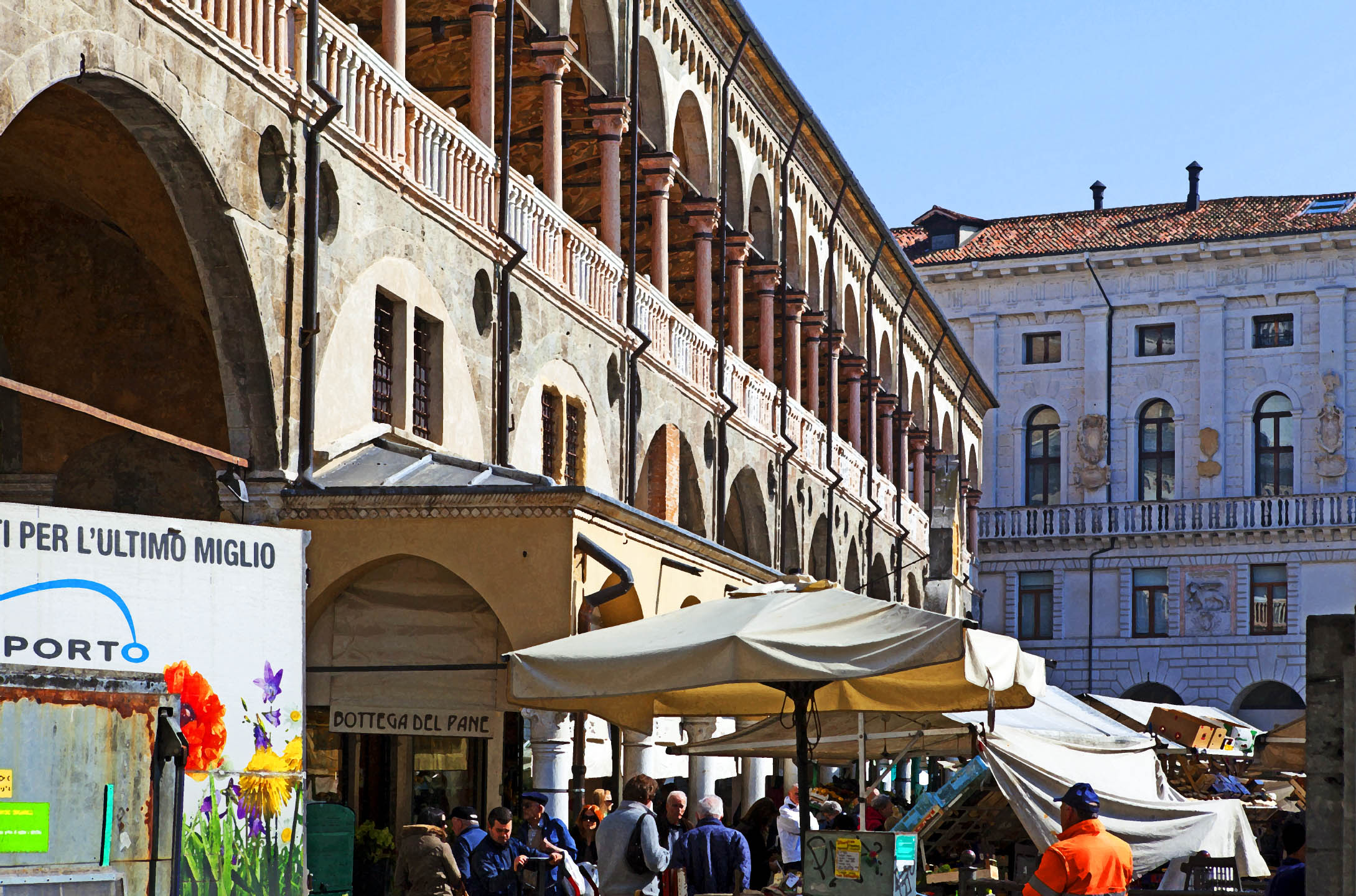
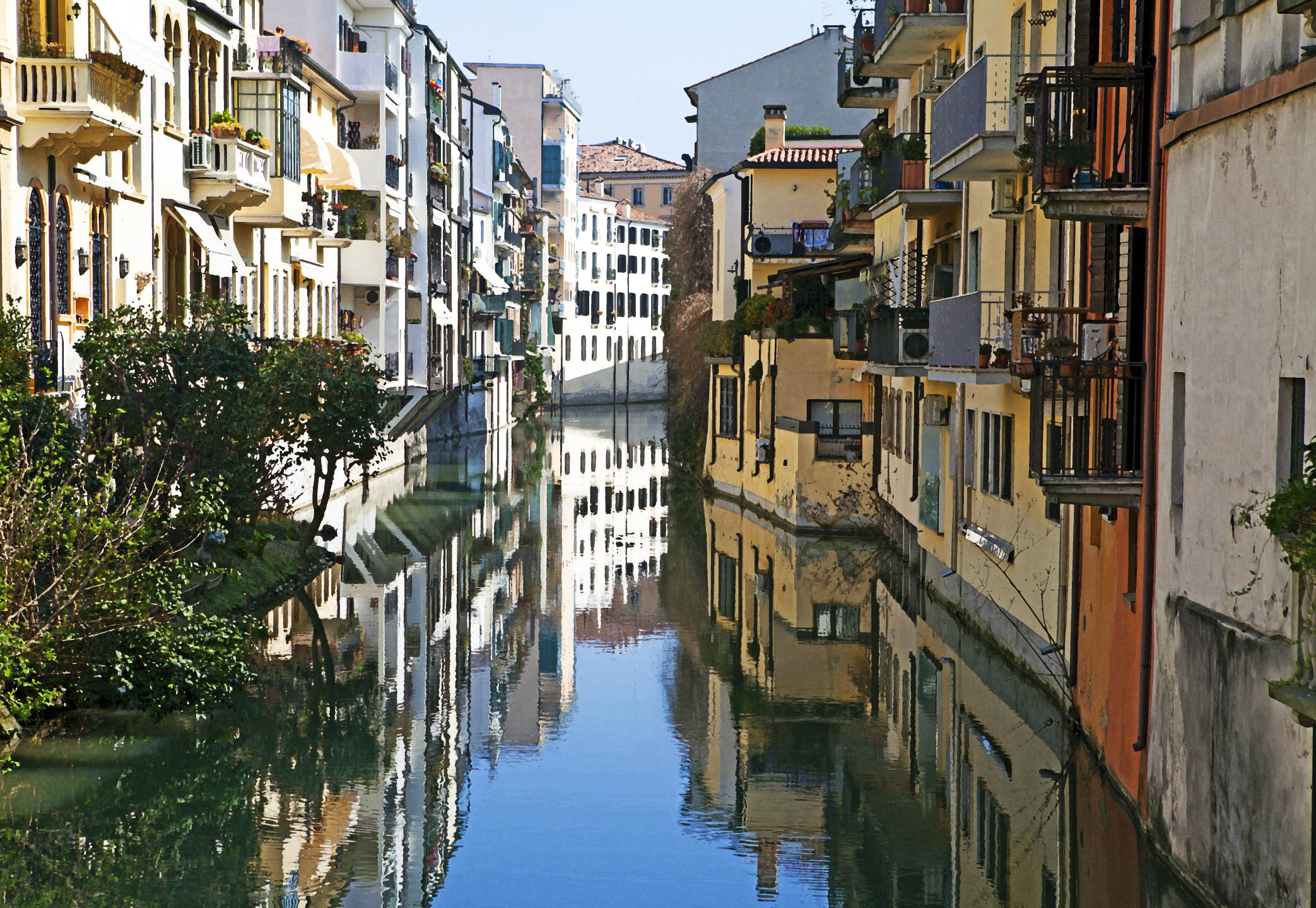
PADUA – Stone and Water

Padua is most famous in the anglophone world at least for being the setting for Shakespeare’s The Taming of the Shrew, but its true importance lies in its role as one of the oldest and most important university cities in the world.

Arguably, the home of modern western medicine – indisputably the cradle of modern pathology – with strong associations to the likes of Galileo and Copernicus it’s legacy as a historic centre of scientific learning is only surpassed by Cambridge. (This is particularly interesting when one realises that Padua University emerged from Bologna University in a way very similar to the way Cambridge emerged from Oxford – at about the same time.)

However, as a warning to the prospective visitor to Padua, it should be noted that for all it’s academic glories (and a couple of fabulous artworks by Giotto and Donatello) it falls far short of most of its city neighbours so far as things like charm and gastronomy are concerned. Nevertheless, like all Italian towns, it finds a way to smile back when one points a camera at it.

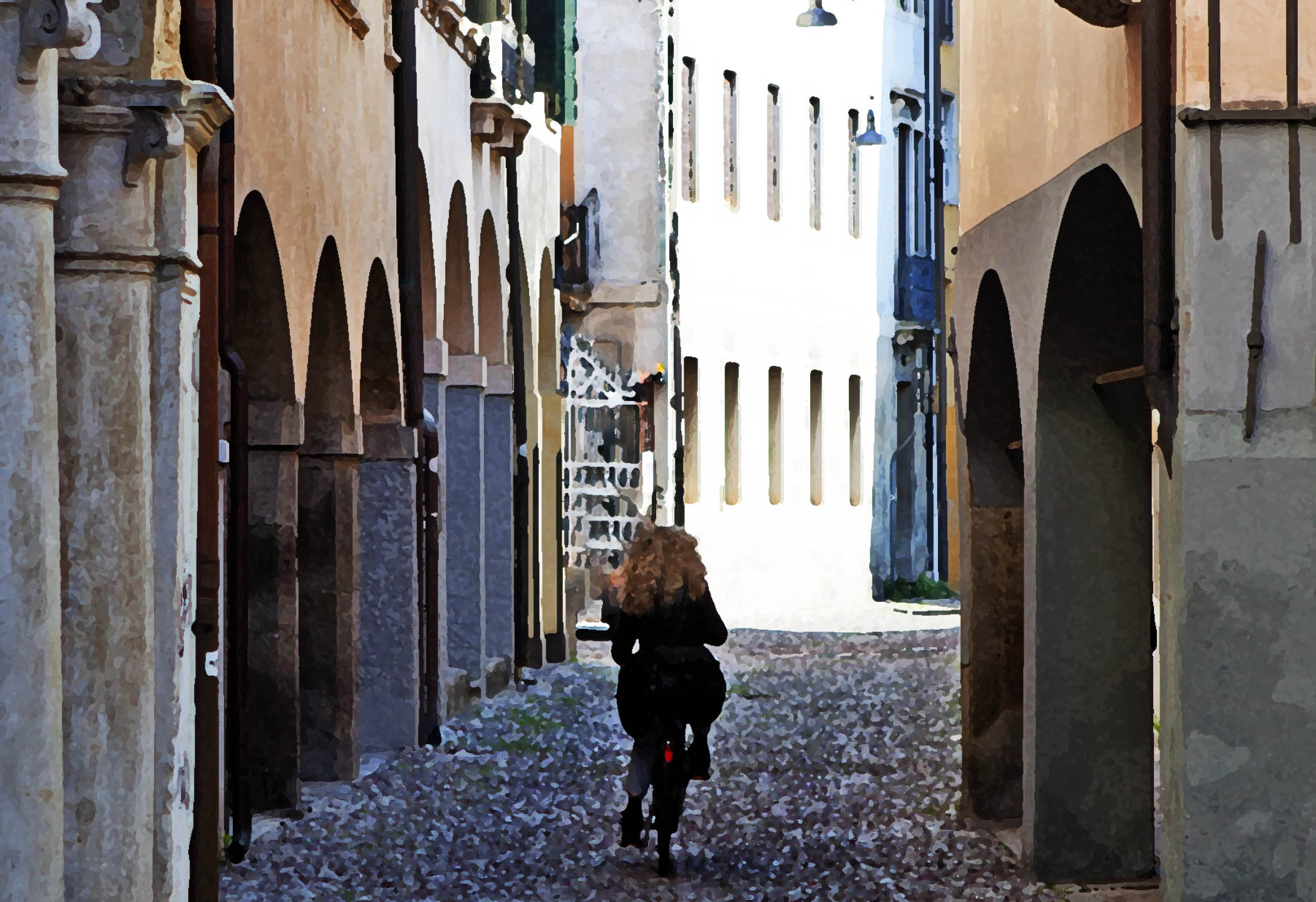
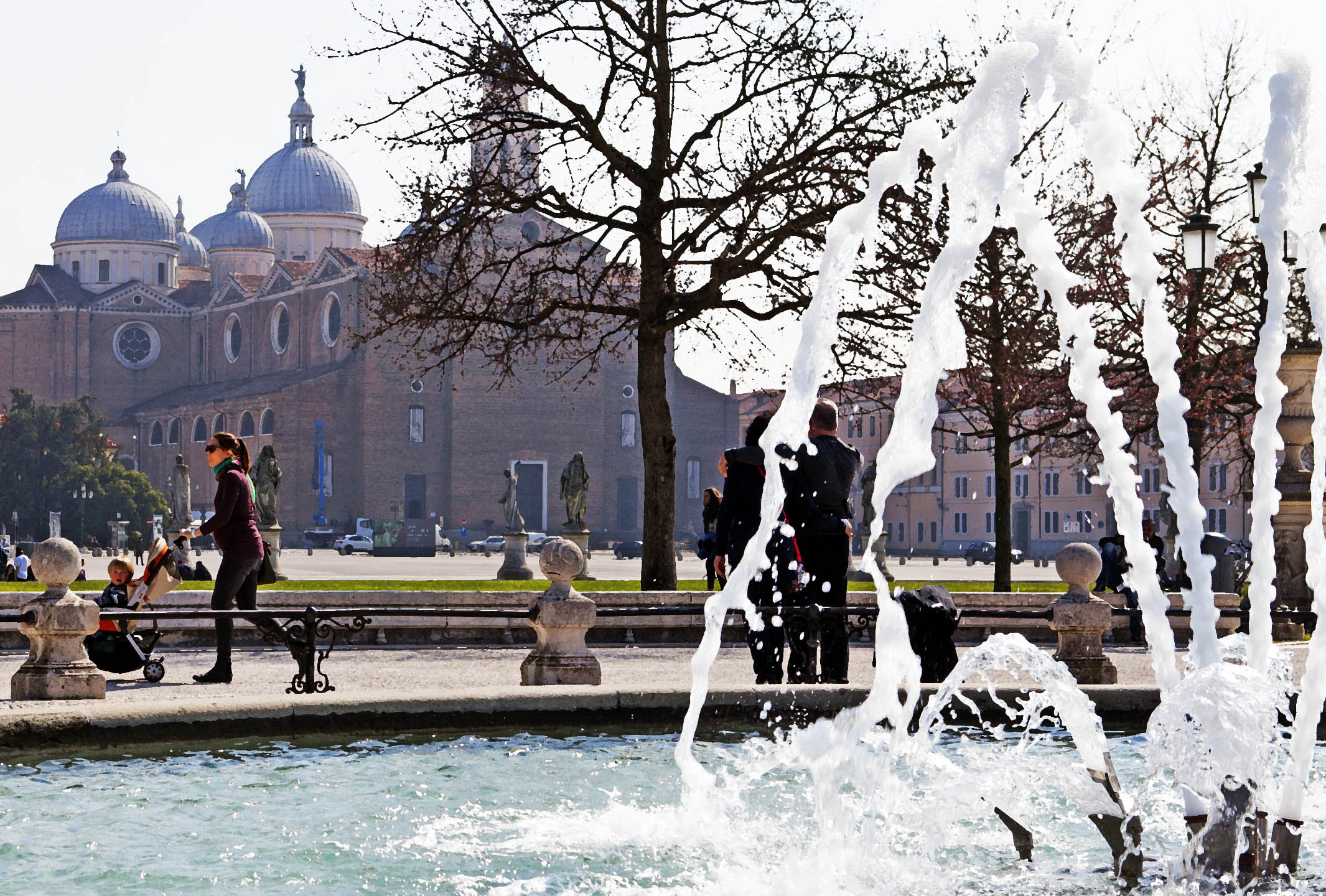
Presented here are a series of enhanced photographic images through which I make an attempt to transmit the feeling of a stroll through Padua’s  cobbled streets and along her narrow waterways…

THE MORNING AFTER…in the park

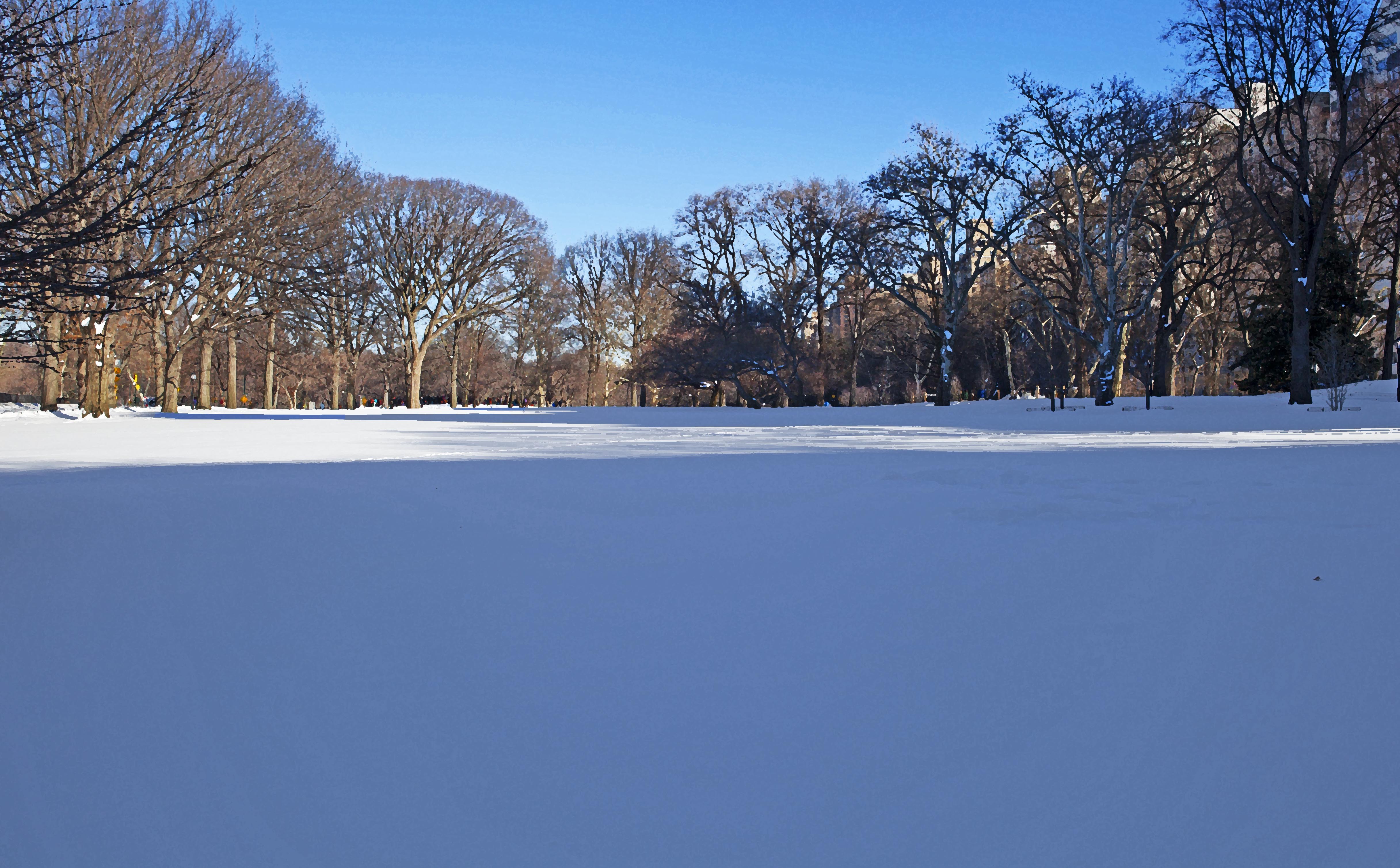
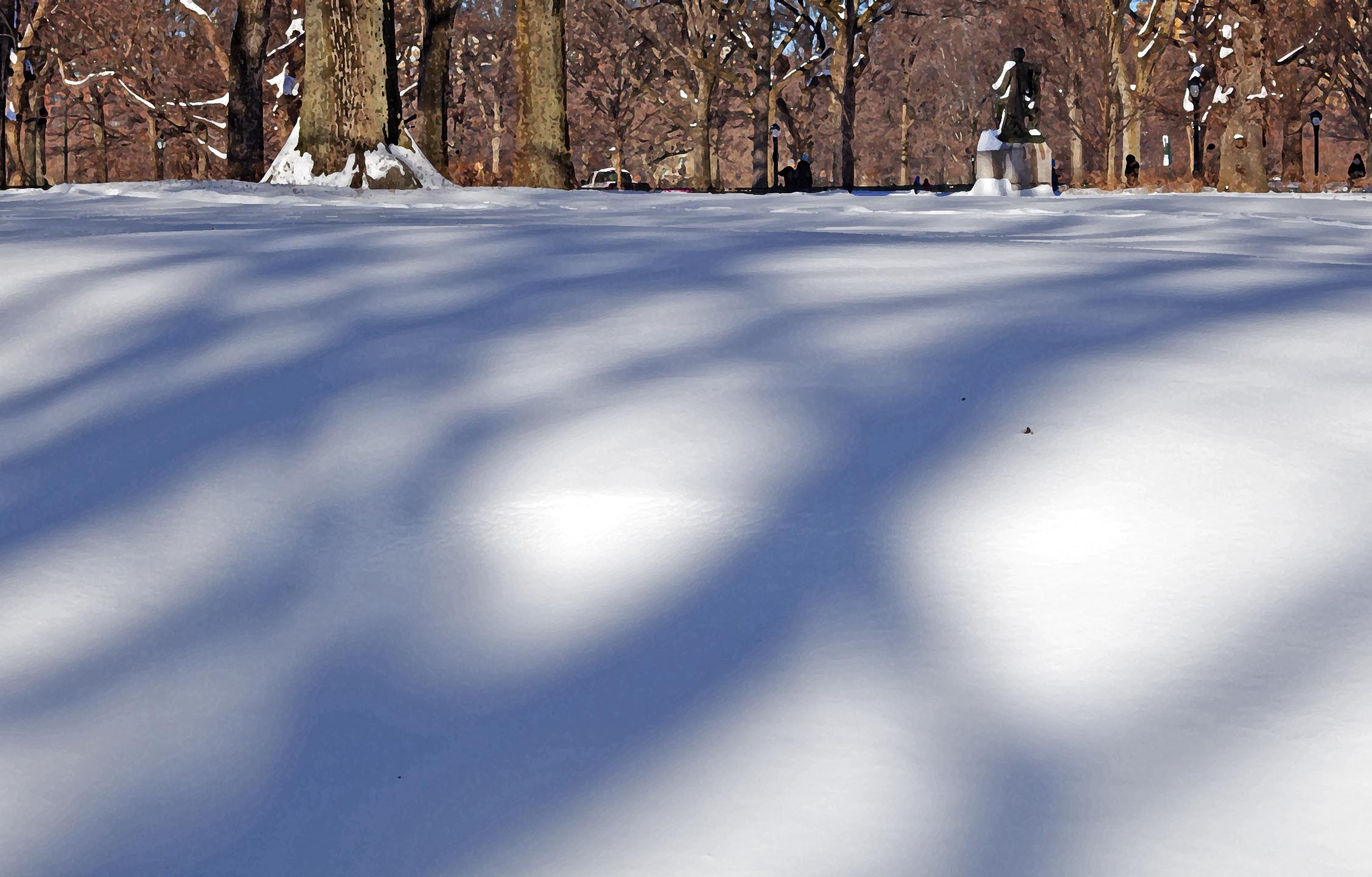
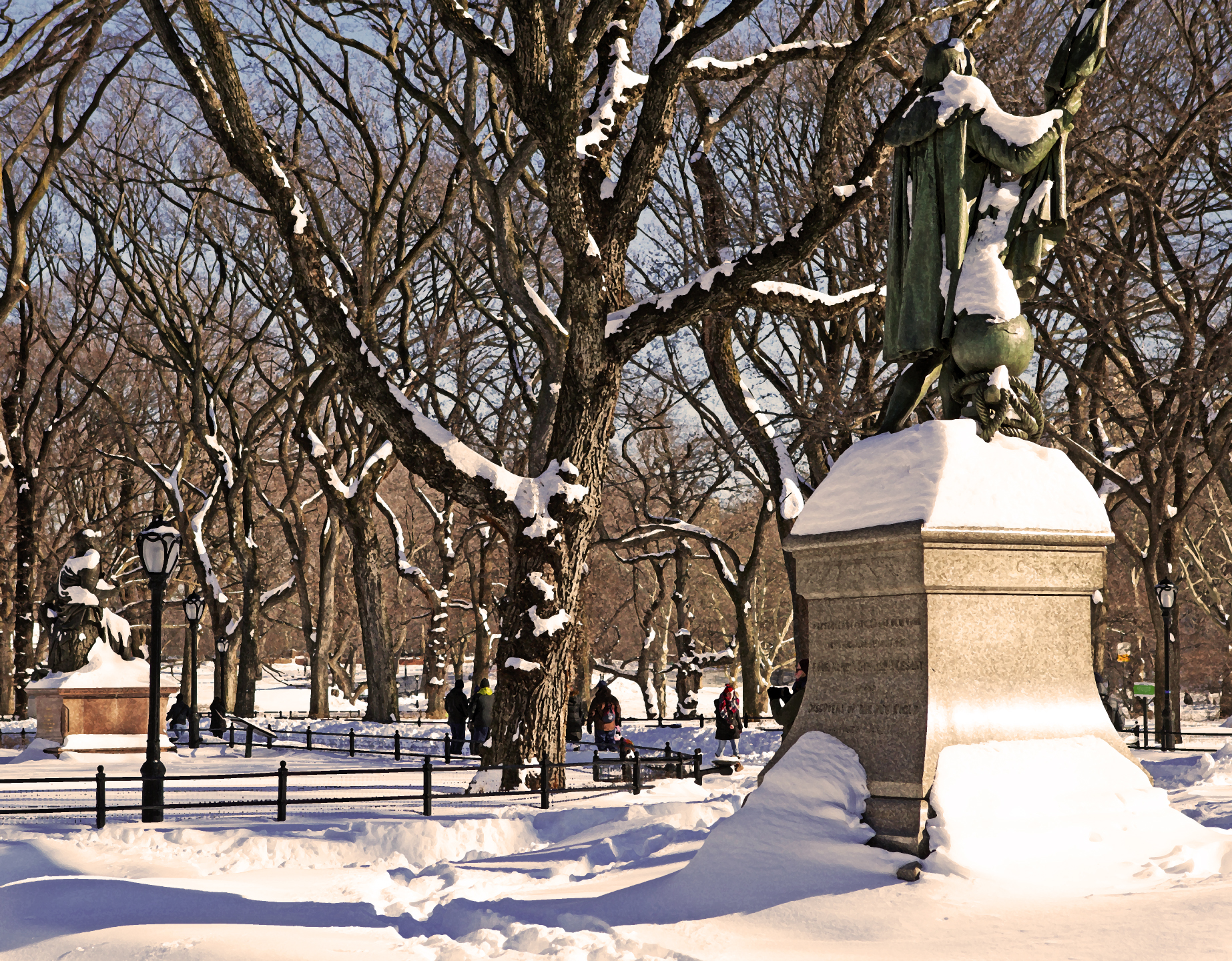
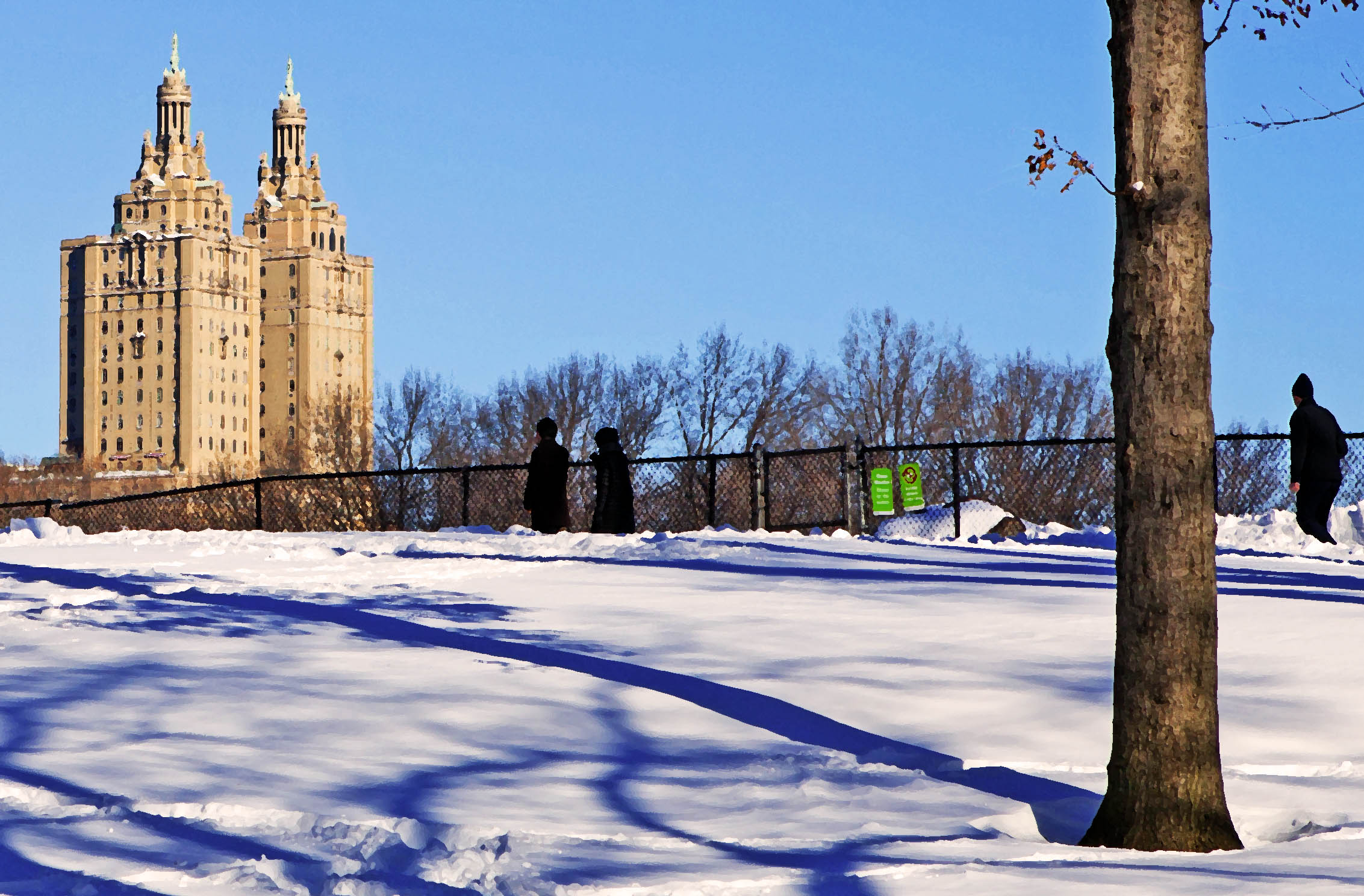
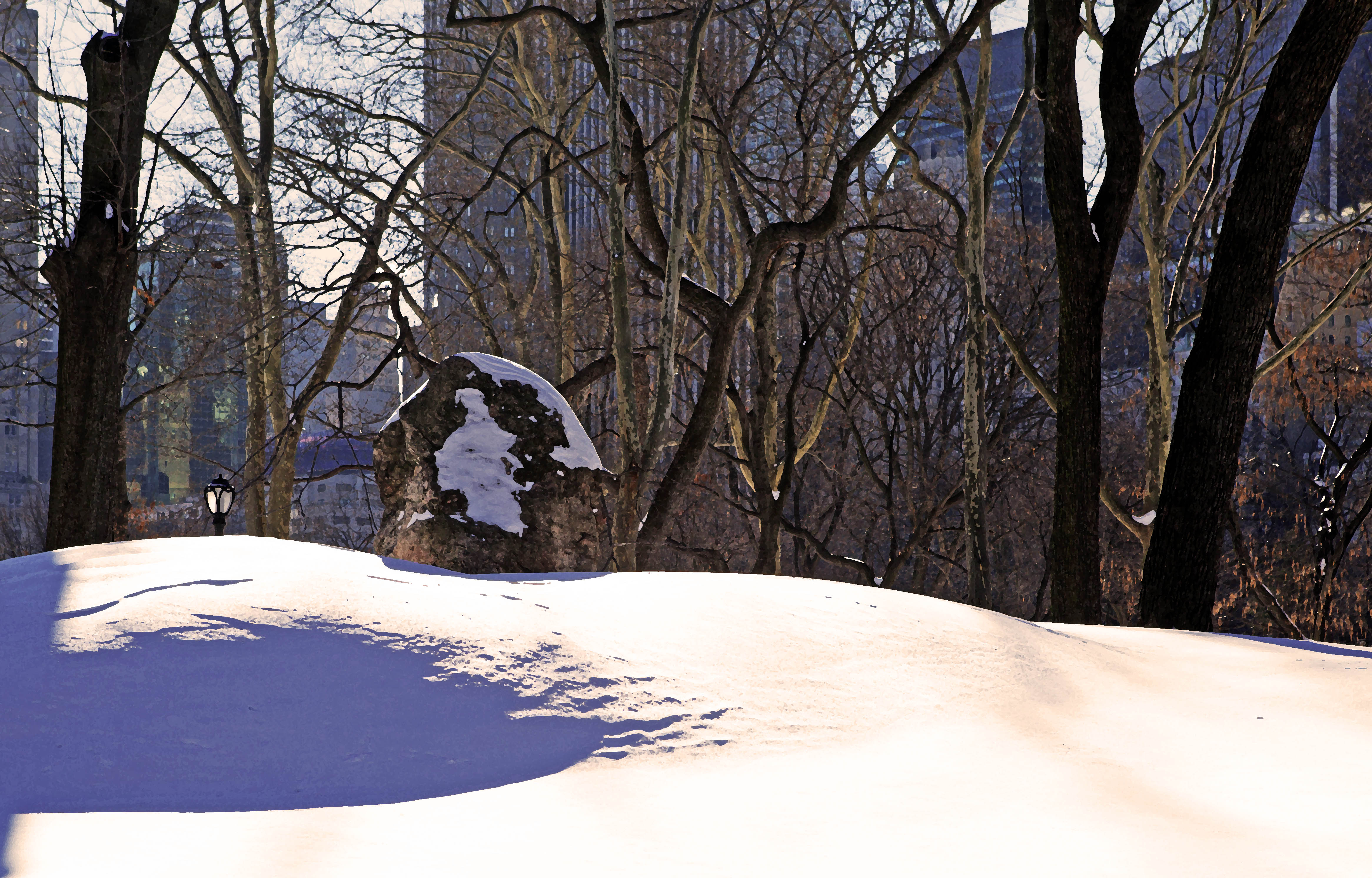
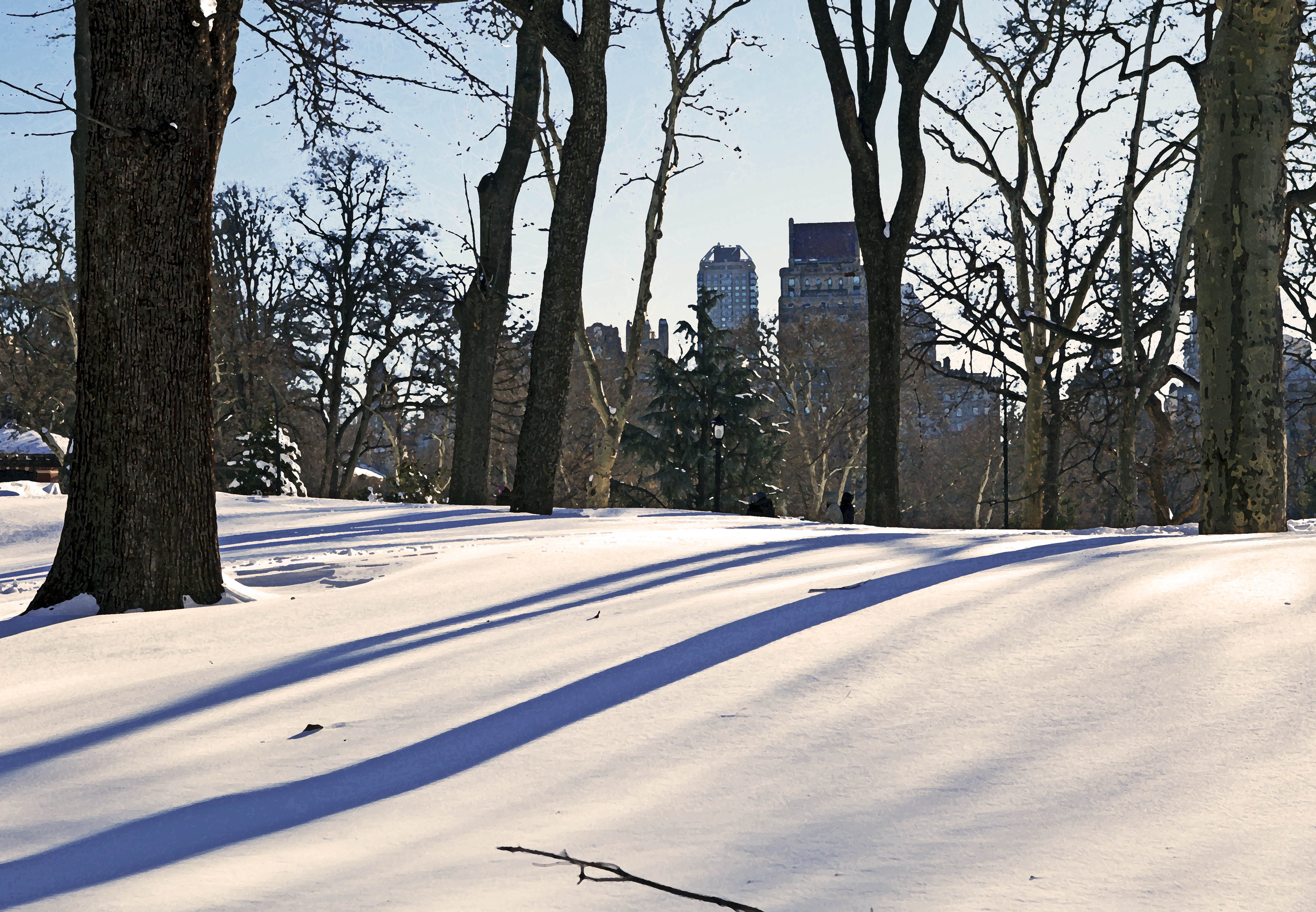
I thought that a lifetime of watching movies and TV series based in New York would have prepared me for my first visit to Central Park. But all the Kojak, all the Law and Order and all the Sex in the City in the universe could not have anticipated the blizzard of January 2016 and its magical transforming effect.

So, instead of a stroll through one of the world’s most famous urban “green” spaces, we found ourselves trecking through a pristine winter landscape.

Fortunately, unlike the evening before when I had left my camera in the hotel (see previous post “The Big White Apple“), this time I was prepared and here are some of the results…

The Morning After...30
The Morning After...29
The Morning After...28
The Morning After...25
The Morning After...24
The Morning After...23
The Morning After...22
The Morning After...20
The Morning After...19
The Morning After...18
The Morning After...16
The Morning After...10
The Morning After...9
The Morning After...1

THE BIG WHITE APPLE 1

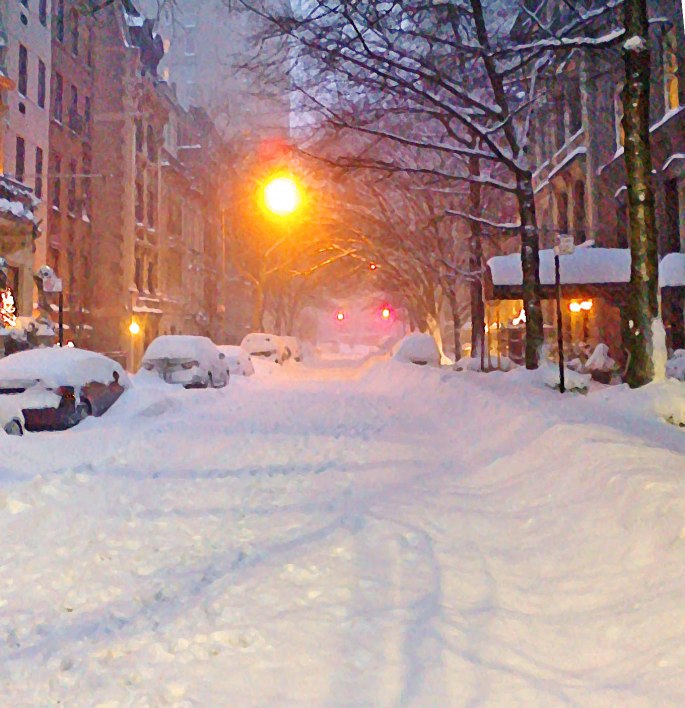
If Claude Monet had been walking through Manhattan during the second greatest blizzard in history to hit the city – with only an old Nokia phone camera to record what he saw, then perhaps – with just a little help from Photoshop – he might have ended up with a set of pictures like those displayed below.

These photos were taken by my wife Dido, on her aforementioned Nokia, on the evening of Saturday 23rd January during our walk back from Madison Avenue to Broadway.

We were in NYC to celebrate our silver wedding, and although the snow disrupted much of our planned itinerary for the trip, this walk, down the middle of almost-deserted, iconic streets, blanketed in powder snow turned out to be one of the most enchanting experiences of all our years together.

I think that these images get some of the magic across…

This slideshow requires JavaScript.