SIDNEY – A Tribute: part 3

the team behind the scenes…

When I began this series of posts on Sidney, I had originally planned to do just three, but since then I have had the privilege and the joy of reconnecting with several of his old colleagues, assistants and models, from the days when he ran one of London’s top advertising photography studios. Subsequently, I now have far more material – anecdotal and pictorial, than when I started out on this mission, and so this will now be number 3 of 5 posts in total.

The most striking – not to mention moving element of this process has been how each and every person I have been in contact with has had nothing but warm memories and kind words about Sidney and their time working at “The Studio”.

This post offers a small, illustrated, behind-the-scenes record of those exciting and pioneering times…

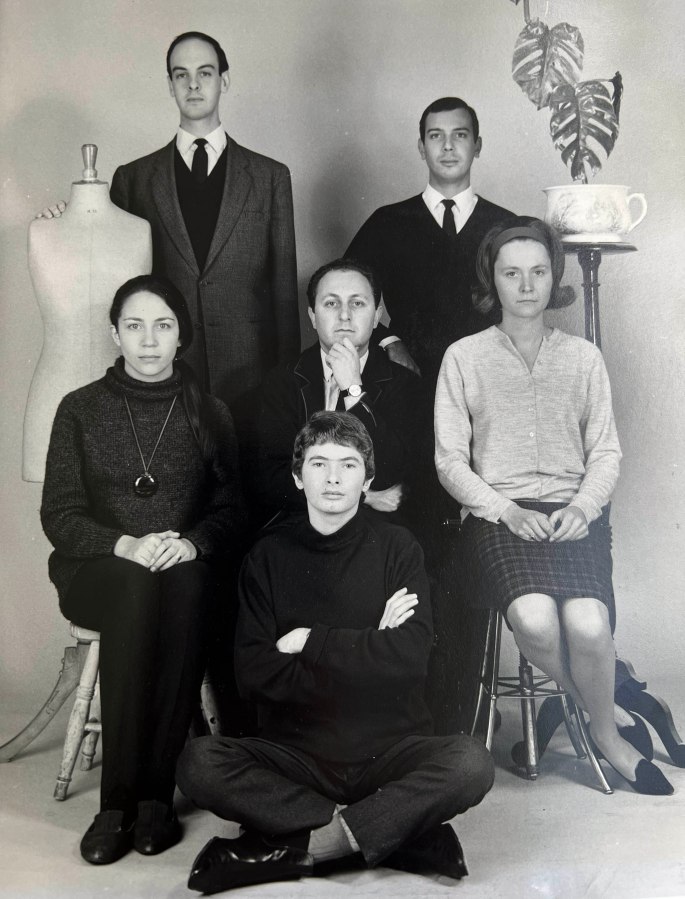
An early publicity shot of Sidney and his team (1964 – taken using a timer): Edgar Asher (TL), Henry Sudwarts (TR), Doreen Dahl (CL), Sidney (C), Faith Hollings (CR), Lawrence Sackman (F). Edgar was extremely tall and thin, and is the only person I know to break their leg playing the violin. He was a fine photographer in his own right and went on to work for the Israel Press and Photo Agency. Lawrence – the youngest of the group – learnt his craft well, and went on to a successful career in art and erotic photography, working with Guy Bourdin and Helmut Newton. More on the others below…
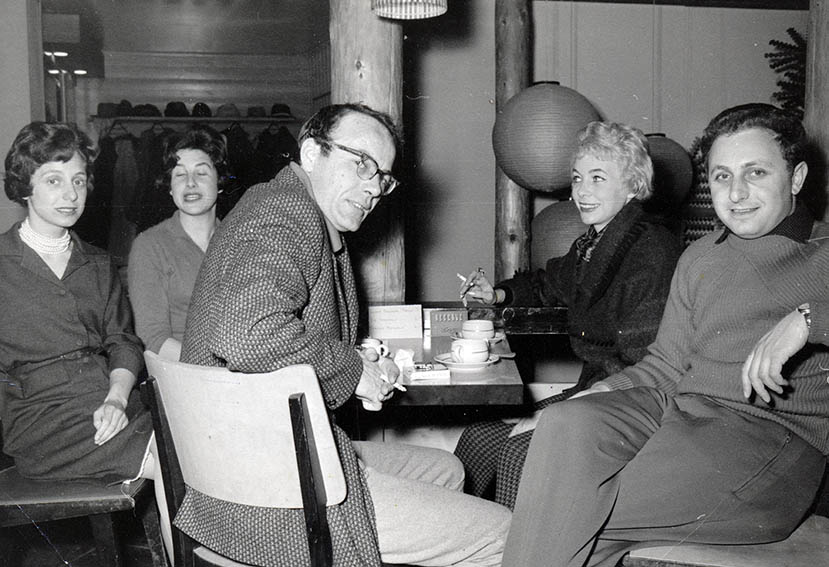
Probably taken by my father, Gerald Green (1960), this shows Sidney with Bill Young and my mother Hannah (far left – Sidney’s sister – and I’m presuming that the two other ladies were accompanying Sidney and Bill). Bill was my father’s partner and became good friends with Sidney. In addition to being an add-man he was also a darn good artist. Two of his gorgeous large oil landscapes adorned my childhood home and strongly influenced my own painting style…
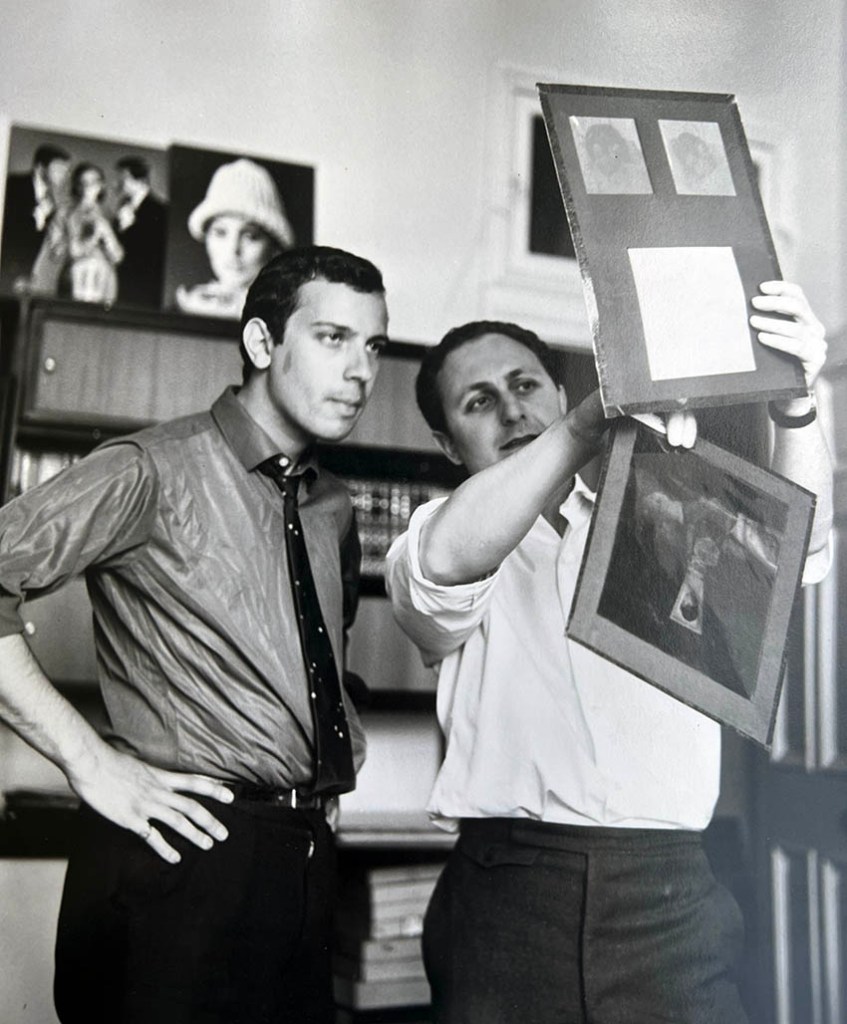
Sidney with Henry Sudwarts, who contributed this and several others of the photos shown here and has some interesting recollections from his time at the Studio. Not only did he get to drive Sidney’s prized Alvis motor car, he also remembers a “Dell Boy”* -like handyman who used Sidney’s basement to stash away contraband cigarettes and radios off the back of a lorry! Henry too branched out on his own in fashion photography before moving into TV in Israel. Having married a South African in 1980 he then moved to Cape Town, where after 30 years working in things as diverse as jewelry and tourism, he picked up a camera again and became an acclaimed wildlife photographer . .
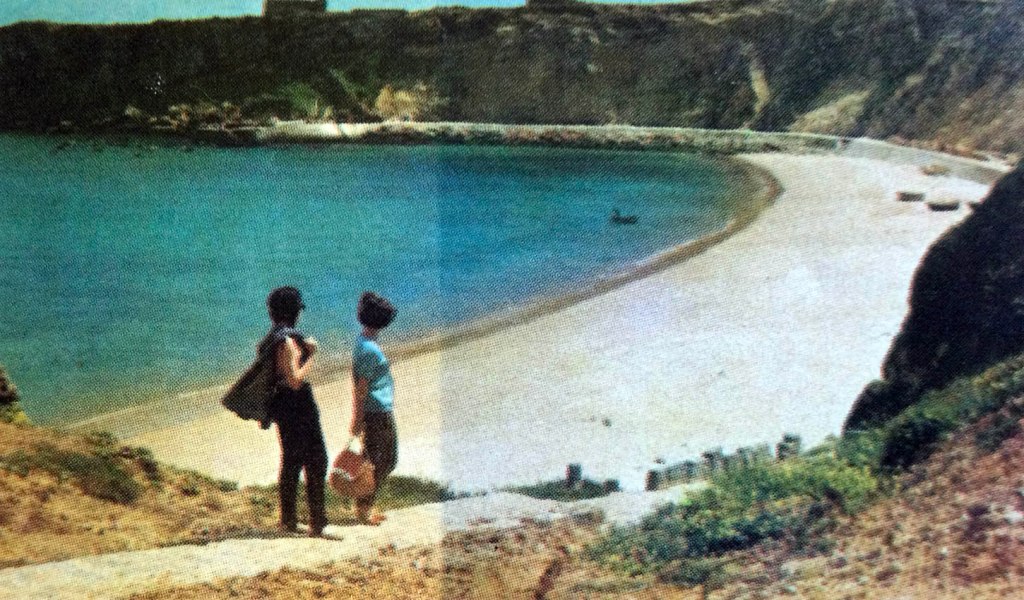
Doreen (left) and Faith from a mid-1960’s shot for BEA (British European Airlines) taken at Sagres on the southern Algarve of Portugal. The main purpose of the trip was a job for Women’s Own Magazine, and the girls were both assisting with the shoot. Faith, whose memories and information have been invaluable to me in compiling these posts, was one of Sidney’s photographic assistants. She has something interesting to say that “to his credit Sidney employed me as a photographic assistant even though I am a woman. Women of my age had to fight to earn a place in a male dominated profession and I had spent three years learning my craft at Guildford School of Art under the the wonderful Ifor Thomas, who was head of the Photographic Department.” Faith now lives in Portugal where she works for an animal charity
Henry with Doreen . Doreen was Sidney’s secretary (or PA in today’s terminology), and also an aspiring classical timpanist. Faith and Doreen became friends, and she would sometimes help Faith with photographic duties, including setting up a darkroom on travelling shoots, such as the one above in Sagres. My mother, who did additional secretarial work for Sidney, also became very fond of Doreen. Sadly, I haven’t yet discovered what has become of her or her timpani playing?
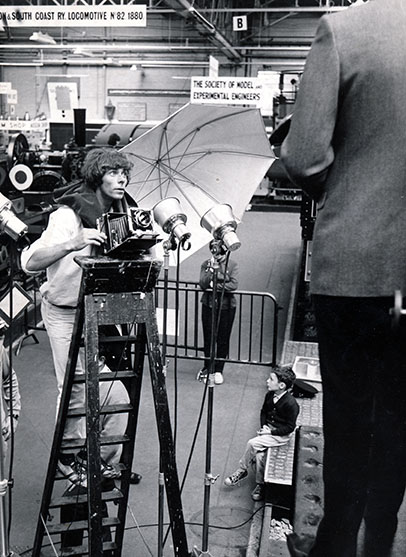
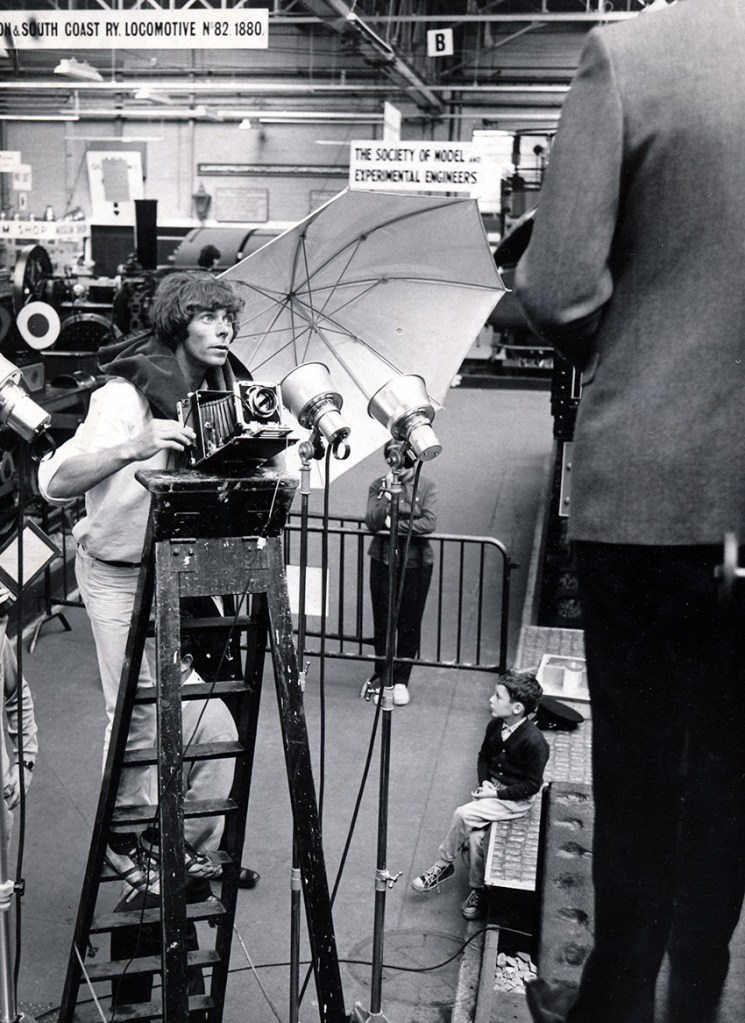
One of Sidney’s later assistant photographers was Peter Watkins, pictured here on a shoot at the London Transport Museum in London’s Covent Garden. Peter also went on to have a successful career as a fashion photographer. The young chap seated is yours truly. During school holidays I often got to watch shoots, but this one stood out for the fact Peter drove me there in his open topped MGB GT – my first time in a convertible sportscar. Other notable photographers and set technicians who worked for and/or with Sidney from 1960-1975 and who also helped me with my research, included Brian Jaquest, Derek Berg and David Hendry.

*For those reading this not acquainted with the long-running British sitcom, “Only Fools and Horses”, Del Boy was a spiv (someone who deals in dodgy and black-market goods), and the program’s main protagonist.

SIDNEY – A Tribute: part 2

A portrait of a family

Around late 1959, early 1960, my father, Gerry Green and his business partner, Bill Young launched out on their own as an advertising partnership. They had plenty of contacts in the industry and thus plenty of work, but soon found that the price of good photographers was prohibitive to the success of their burgeoning venture.

Fortunately, Gerry’s brother-in-law, Sidney Pizan, in addition to being a dentist, was a talented amateur photographer, and when approached was open to the idea of trying his hand at applying his skills commercially.

Sidney took to advertising photography like a duck to water, and within a few months, had established himself in Hampstead (in north London) as a professional photographer, getting more work – both from Gerry and Bill, and his growing string of contacts – than he could manage alone. Before long Sidney began recruiting other young aspiring photographers, apprentices and assistants to help him carry the workload and run his business. “The Studio”, as it was known, became something of a commercial photography academy, founding not only Sidney’s career, but those of a string of gifted colleagues.

In my next part of this tribute to my late uncle, I will go into more detail regarding Sidney and his team’s output of fabulous advertising images, but for Sidney himself, despite his success, his greatest creative enjoyment remained his “free” or “casual photography”.

Presented below are some of his best pictures, all of his family (particularly my mother – his sister – Hannah, my older brother Michael and I). If this seems a tad narcissistic on my part, I should point out, that we – his parents, and us – were the epicentre of his life, outside of his professional lives – and were, in a very real sense, his photographic muses. In those days, when out and about or when visiting the Studio , I can’t remember a time when Sidney did not have his trusty Rolleiflex hanging from his neck and him pointing it in our direction. Narcissistic or not, these images are moody, emotive, sensitive, an intimate family portrait, and just a damn brilliant illustration of the photographic portraiture and human study at its very best…

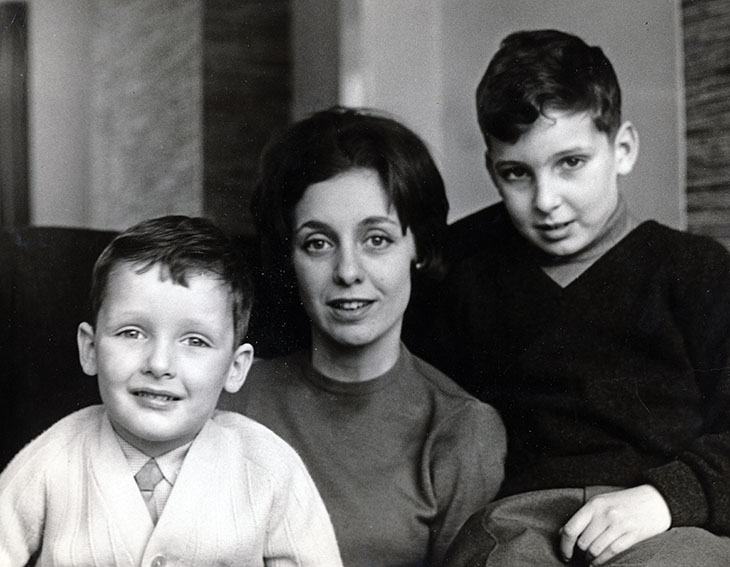
Sidney’s sister (my mum) Hannah, taken in 1960, shortly after being deserted by my father (Gerry the advertising man). I love the way this shot captures her sad dignity…
Sidney’s nephew (my big brother), Michael, in from the garden for a snack…
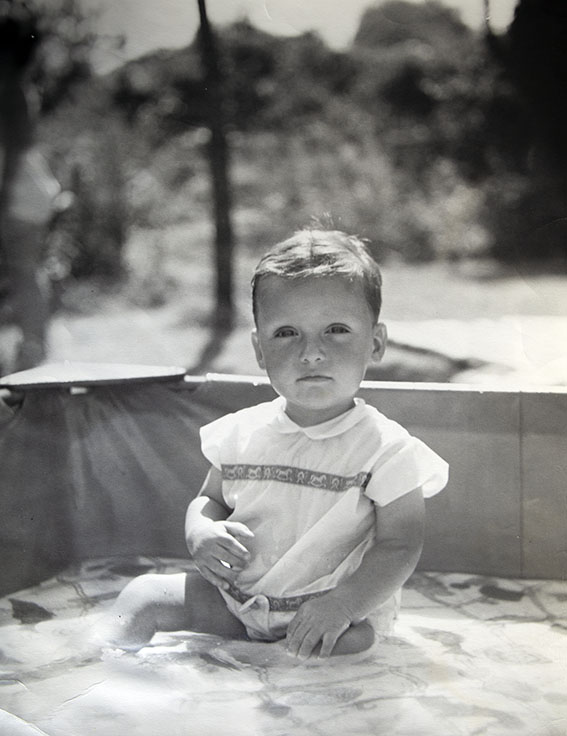
Me…
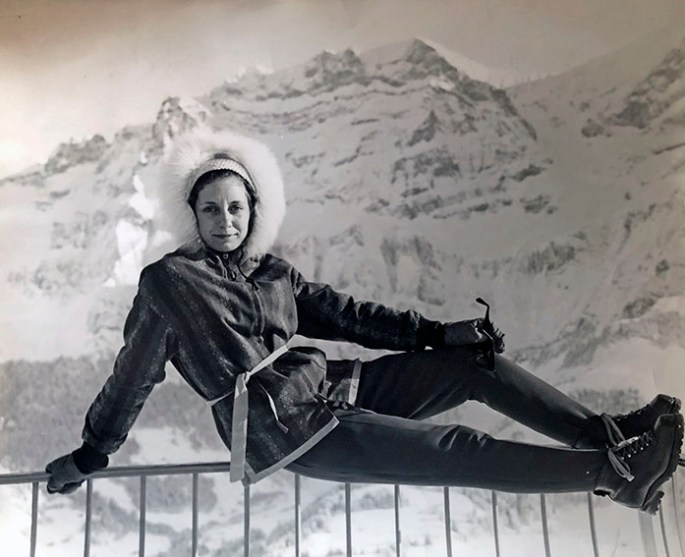
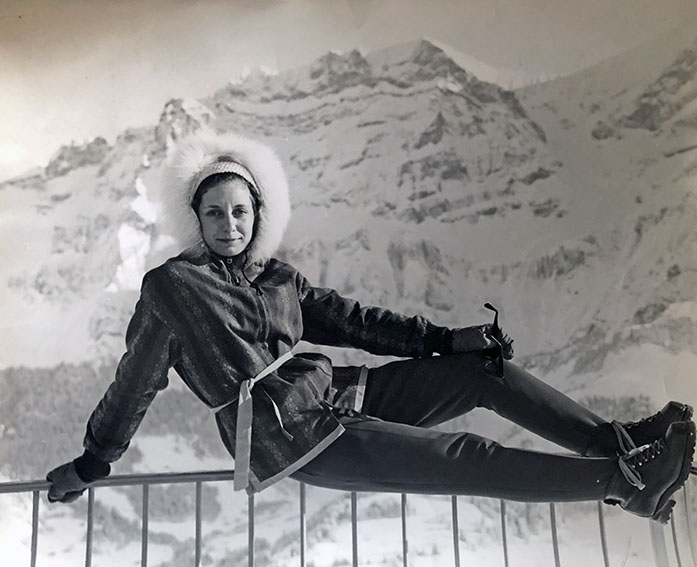
Hannah at Adelboden (Bernese Oberland, Switzerland, and much used in Bond films) – our first family holiday abroad in 1962…
Us three…
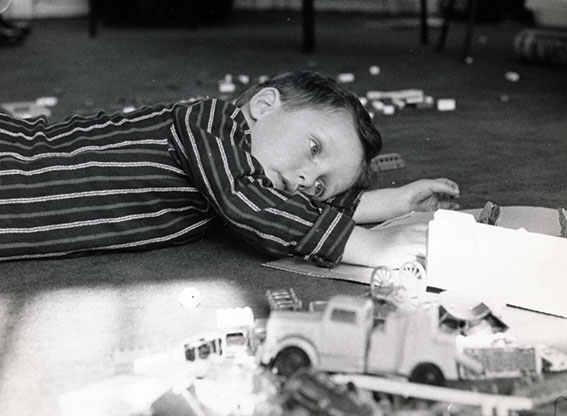
Adam, playing…
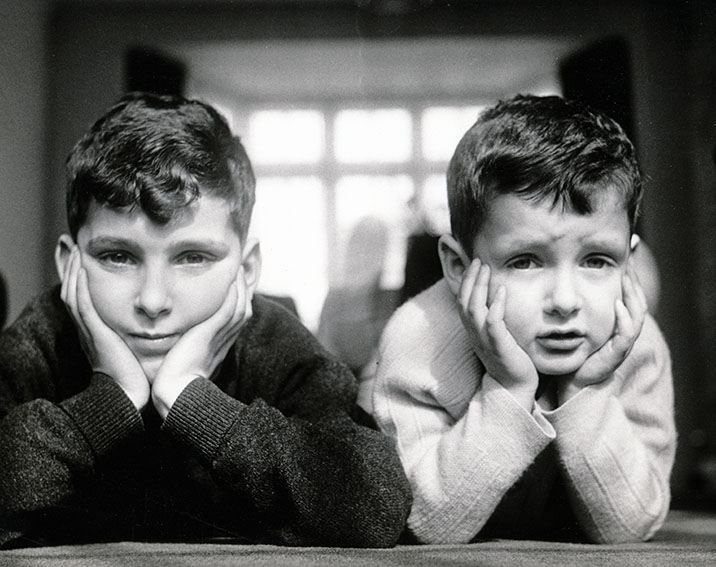
Brothers…
Hannah, happy and beautiful…
Hannah with me in the South of France…
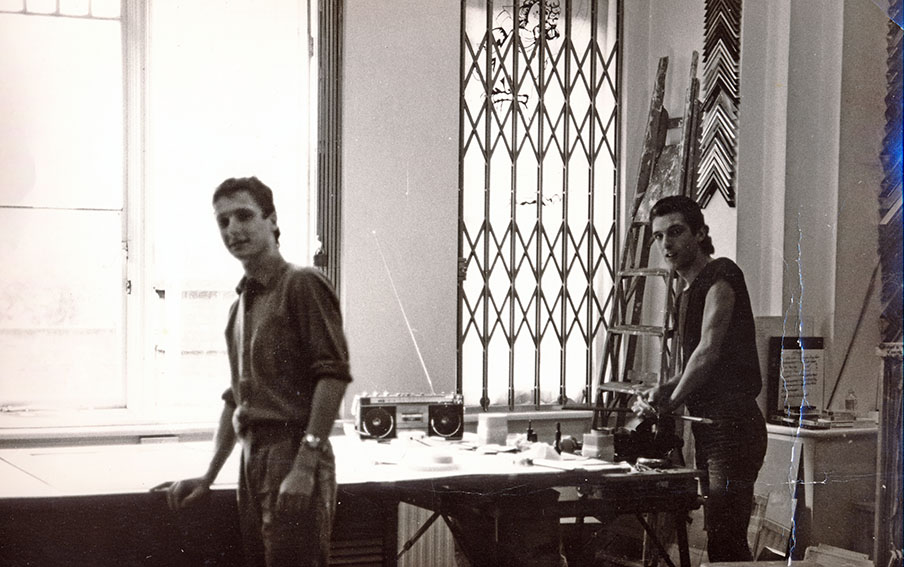
After Sidney retired from commercial photography (in 1975), he turned the studio itself into an up-market picture framery. This was the last photo he ever took of Michael (right) and I together, working in the framery – about 1985.

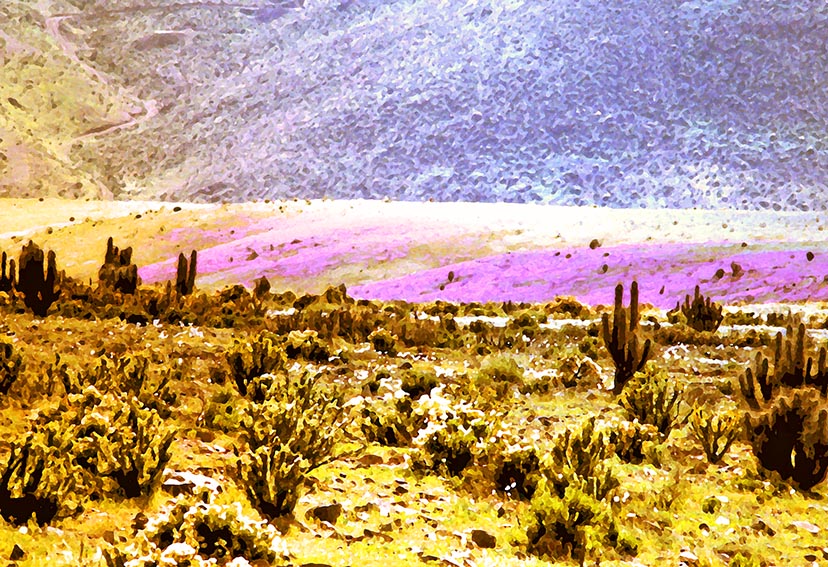
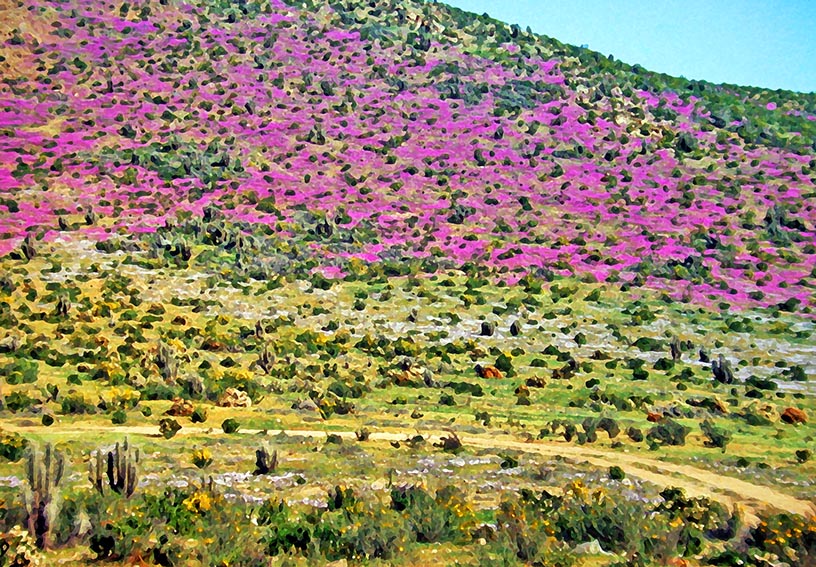
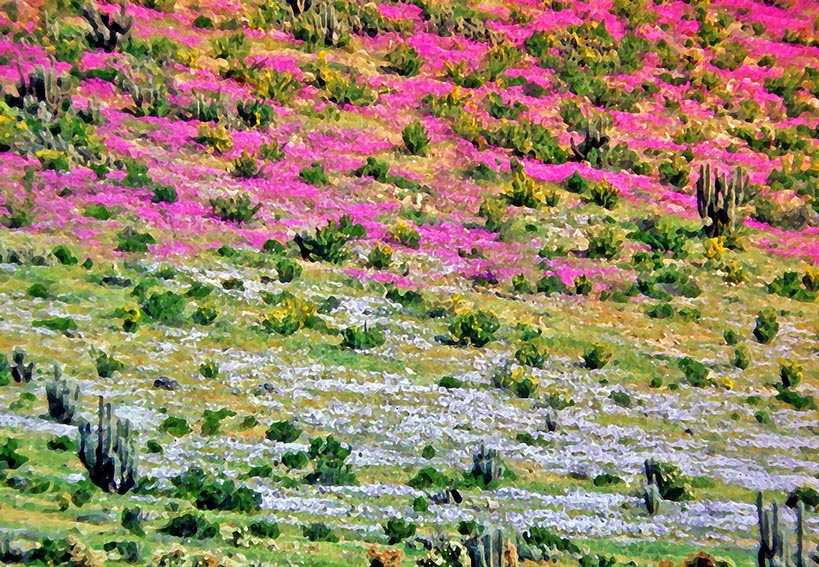
ATACAMA – IN MAUVES AND GREENS

Followers of this site will already be familiar with many of the details of our remarkable trip to Chile back in 1991, just several months after the demise the Pinochet regime.

As if to mark this new era of democracy, freedom and hope, the month we arrived, the southern Atacama Desert experienced – what we were assured by the locals – were the first meaningful rains in forty years, and so, as if in celebration, exploded in a riot of colour. It was as if a vast technicolor carpet had been laid atop the normally monochromatic desert floor as every cactus, every succulent and every dormant seed erupted into vivid flower.

Even in normal circumstances Chile’s many disparate landscapes offer a  stunning smorgasbord for the visual senses, but this was simply wondrous. Rarely have we experienced, before or since, such good luck being in the right place at the right time.

The dozen or so images presented here give a taste of what we were so privileged to witness with our own eyes…

(Camera used: Nikon FE with Agfachrome film)

PHOTO-CURIOS (revisited)

I’ve been making greetings card designs and images for decades now – initially doing freelance work for greetings card companies and poster publishers and more recently producing images for my own Moody By Nature label. Over the years I’ve done everything from cartoon smut (professionally referred to as “erotic humour”) to soppy Christmas and birthday penguins and polar bears (yes, you can probably blame me for the proliferation of penguin cards from the 90’s onward). Lately though, I’ve been busy with more photographic based themes and images.

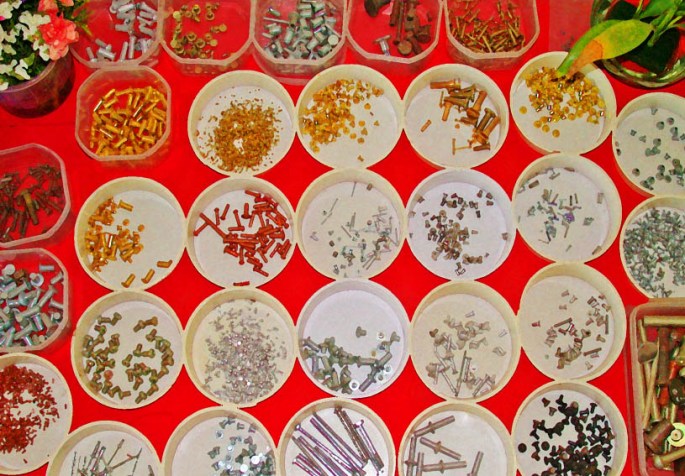
Here is a small selection from a series I somewhat blandly titled curiosities, for obvious reasons…

“Bolt Masala” is from a photo I took in a metal engineering factory reception office in Coimbatore in southern India – hence the “masala” connotation.

I spotted the old boots suspended by their laces for “Good Use” in the delightful artists village of Ein Hod on Israel’s Mediterranean coast. It’s proven popular both as a retirement and as an anniversary card…

…as has “Growing Old Together Gracefully” (as an anniversary card that is!) which displays two venerable phone boxes in Hampstead.
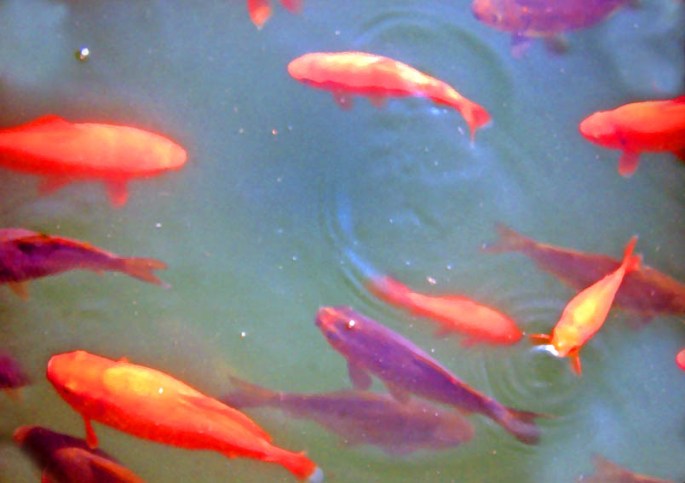
“Pond Life” was snapped in the exquisite Alcazar gardens in Seville.
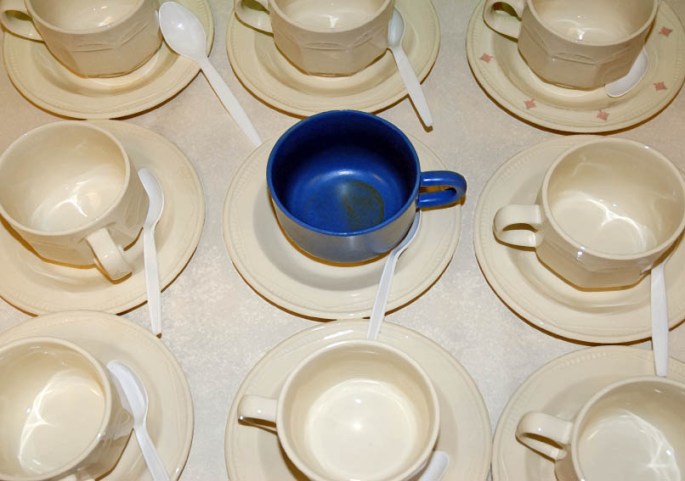
I was struck by the image of “The Blue Cup” in the unlikely setting of Sherwood Forrest – more famous for hosting the “merry men” in Lincoln Green.
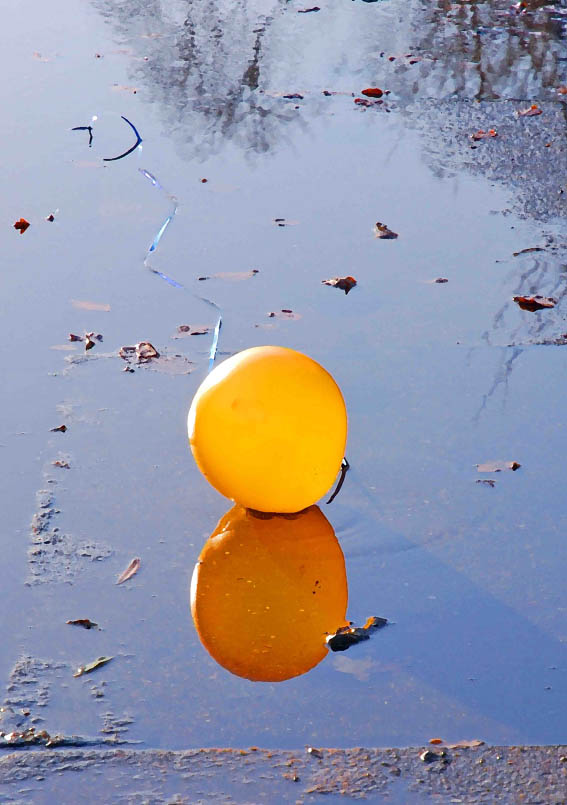
Finally, I saw the yellow balloon languishing in a puddle on the Regent’s Canal  towpath (north London) on “New Years Day” 2011 – having lost my dear mother barely three months before it seemed like a poignant metaphor for the past year…

GOLDEN MEMORIES in black and white

a monochrome glance at my childhood

I’ve talked about the distinctive qualities of black and white photography before on these pages, and how it has an uncanny ability to capture the spirit and mood of a subject far more intensely than colour. It’s something the greats of the genre understood and exploited brilliantly; from the epic landscapes of Adams, and the deeply personal portraiture of Karsh to the lyrical life observations of Bresson; they all utilised the cleansing distillation of grey-scale-monochrome to the ultimate dramatic effect.

However, while the great masters took black and white photography to the level of high-art, equally nostalgic monochrome images were being snapped countless millions of times by less gifted photographers across the globe. And while their results might not classify as works of art, they nevertheless rarely fail to evoke and to entertain.

The images presented here are intended as a case in point and offer a small glimpse into my childhood, growing up in suburban London, which for all its fatherless challenges was almost as idyllic as it looks…

Summer , Edgware, 1963-ish, our back garden “pool”, with me and my big brother Michael and our lovely neighbours, Peter and Susan Gerard
Same garden, different amusements, summer 1966, with Michael again, and assorted neighbours and school friends…
Edgware, Spring, 1967, in the kitchen, Michael and I using our baking sets. We both developed a keen interest in food and cooking from an early age, although I seem to recall that the results of this particular session ended up being fed to the birds…
London Transport Museum, Covent Garden, London, 1968; Being the nephew of Sidney Pizan, one of London’s top fashion photographers had all sorts of perks, like having the run of a fabulous steam locomotive during a shoot for Burberry. That’s Peter Watkins, one of Sidney’s assistants/apprentices setting up a shot with the Polaroid. Incidentally, the legs of the male model standing on the footplate above me belonged to soon-to-be-007, George Lazenby, who began filming On Her Majesty’s Secret Service a few weeks after this photo was taken.

OUT AND ABOUT WITH FAMILY AND FRIENDS

Shortly after my mother Hannah passed away I discovered a large box full of old photographs, going back to before the turn of the previous century. Although they are primarily a record of my maternal family, they are actually so much more than that, as anyone can see from the small selection I have included here. In fact, they comprise a vivid documentary glimpse into the recent social history of London and south east England, before, during and following the Second World War.

For this post I have selected nine photos of assorted people enjoying various outings, from attending functions, and days out and about in London, to summer vacations, away from “The Smoke”. The expression, “a different world” hardly comes close!

The East End of London – circa 1927 – A group of dapper young men , attending a wedding. The diversity of the group is unusual for the time and not a little heartening. The extremely serious looking chap, second from the left is my grandfather, Harry Pizan. His contribution to this particular ethnic melting pot was his recent Galitsiye (Galician) ancestry; he himself having arrived in London from what was then known as Polish Austria (today’s southern Poland) as a two or three-year-old toddler about the turn of the century.
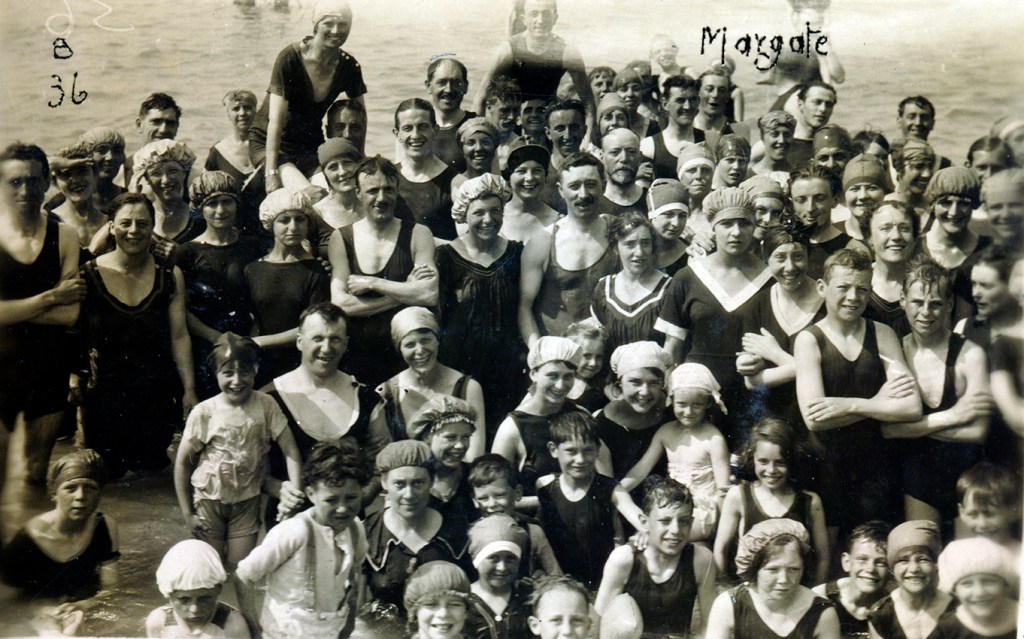
As the scrawls inform us, Margate – August, 1936 – and a large group of bathers, including my grandmother Becky, and her sister Ray; the two shower-capped ladies, arm in arm, toward the top left of the crowd. For those Americans (and others) unfamiliar with Margate of the 1930’s, perhaps think Coney Island?
The Thames at Tower Bridge – circa 1938 – At low tide, the muddy “beaches” along the river were popular places to lark around for London’s inner-city children. The sweet toddler here, slightly unsteady on her feet, is my late mother Hannah with her aunt Dora watching over her. A remarkable person in many ways, Dora only died last year at the age of 103.
West Sussex – circa 1938 – For several summers an extended part of our family visited a farm near Cuckfield in West Sussex. The three jockeys here include my uncle Sidney and his cousin Hazel, up front.
Tower of London – circa 1940 – Hannah again with her brother Sidney (rear) and foster-brother, Avraham, behind her. Avraham was a refugee from Vienna and on one of the first Kinder Transports. My grandparents, Becky and Harry fostered him, and then his two older sisters who escaped on a later transport. Heartbreakingly, their parents and a third, baby sister perished in the camps.
Somewhere in London – circa 1939 – This picture evokes a kind of “Brief Encounter” atmosphere, only with kids (Hannah and Sidney) and mothers and aunts (Becky – rear – and Eva – left), and no illicit lovers, or locomotive smoke, or Rachmaninov…but you sort of get what I mean…For goodness sake, just look at the two ladies either side! Pure Noel Coward characters if ever I saw them!
Possibly Southend (please correct me, anyone who recognises this particular pier…all suggestions on a sepia postcard) – circa 1940 – and a quintessential British summer holiday scene of the times, with a serious bucket and spade (no plastic here!) and a rubber, rubber ring. Cousins of my mum I believe, but not certain who…
Vicinity of Oxford Street – circa 1939 – I simply love this photograph, which has an almost tangible air of “day out” excitement about it. And as for Becky’s hat and coat – I never realised she’d been such a stylish young mum!
Possibly Hampshire – circa 1955 – Hannah, enjoying a miniature break!

PAINTING FROM PHOTOGRAPHS – mundane craft or true modern art?

Photography has played an ever-growing role in my picture-making since the first day of the second term, of my second year at Saint Martin’s School of Art. It was a bleak winter’s day in 1980 and I remember feeling particularity depressed about the direction – or lack of direction to be precise that my painting was taking. For the past four terms at the school I’d walked a wobbly tightrope between the pressure to emulate my tutors’ abstract expressionism, and my own innate passion for making representational images. The resulting stream of paintings echoed this dichotomy, rarely convincing as abstract or figurative; more often than not, a clumsy, unresolved mishmash of the two forms. If, as occasionally happened, I turned out a pleasing picture, it was always more by luck than by design, with me clueless as to how or why I had achieved this. 

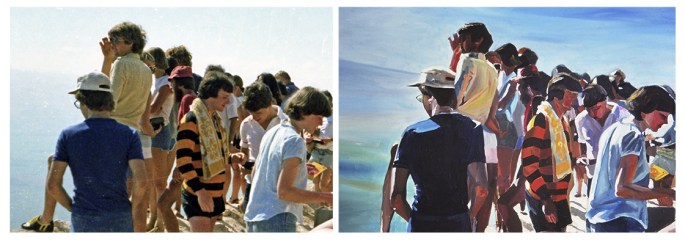
THE COACH PARTY (detail) – 1980 – oil on canvas
This was the first painting I made after my talk with David. It was huge (the foreground figures were to-life scale) and liberating in equal measure. I was rarely happier or more stimulated when working on a painting.

Then, on that winter’s day in 1980, while I was pacing back and forth, dreading the coming weeks and months, a new tutor called David Hepher walked into my studio space, and my art career was changed forever. David, unlike all the other tutors at Saint Martin’s was a figurative artist and to this day I have no idea how he came to be teaching there, but for me, his sudden appearance was as timely as that of an Old Testament angel. I distinctly recall his expression as he first set eyes on my paintings – large canvases full of expressively, heavily painted figures of young people hurtling boldly through a romanticised Israeli landscape.

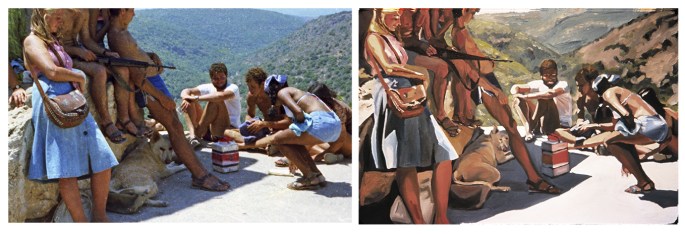
RESTING AT MONTFORT (detail) – 1980 – oil on canvas
This was the third painting in what I still think of as my “Hepher Series”, and I was already discovering, as he surely knew I would, that “copying” would provide its own form of interpretation…

A warm quizzical smile came across his face like that of someone unexpectedly bumping into an old friend. Then I remember that he sat down on my rickety paint-spattered moulded plastic chair. During the previous four terms at the school not one tutor had ever smiled this kind of smile when looking at my pictures, let alone sat down in my space. By the end of the ensuing conversation it became apparent that he was almost as relieved to see my work in that school, as I was thankful that he was now teaching there.

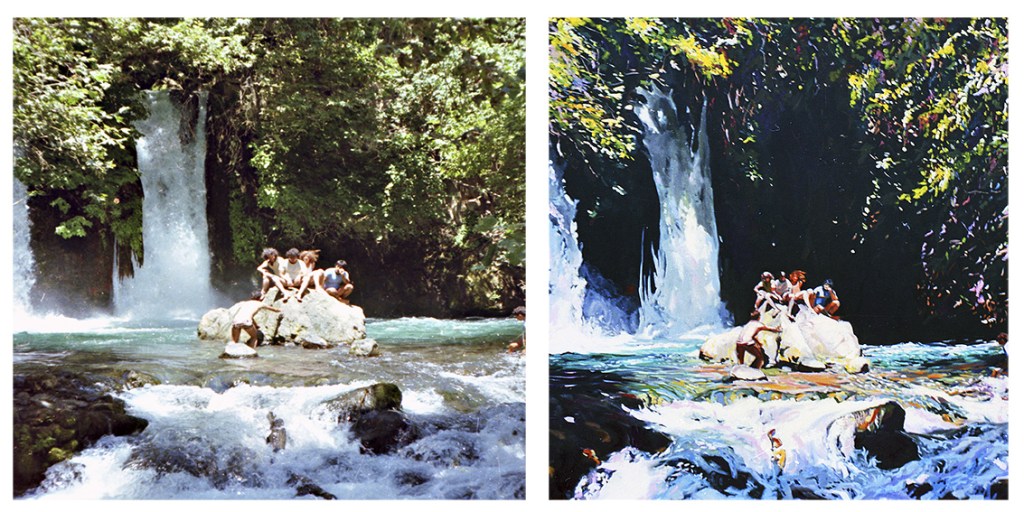
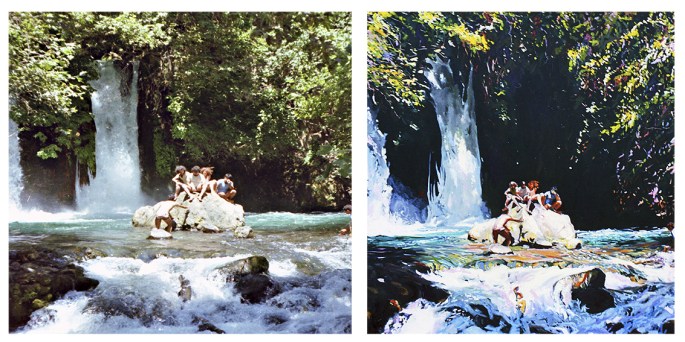
The Banyas Waterfall – 1981 – oil on canvas
One of my favourite spots on Earth; the source of the River Jordan, and almost believably, as the Macedonian soldiers believed two centuries before Christ, the birthplace of the god Pan. Notice the way I played with tonality and shadowing to create more drama…

The first thing he asked me was who my favourite artists were, and when I said Vermeer and Hopper he looked curiously at my wild and frenzied pictures. He then reminded me of Vermeer’s reliance on the camera obscura for achieving these perfectly painted captured moments and asked me why I didn’t use my own photos in a similar fashion?

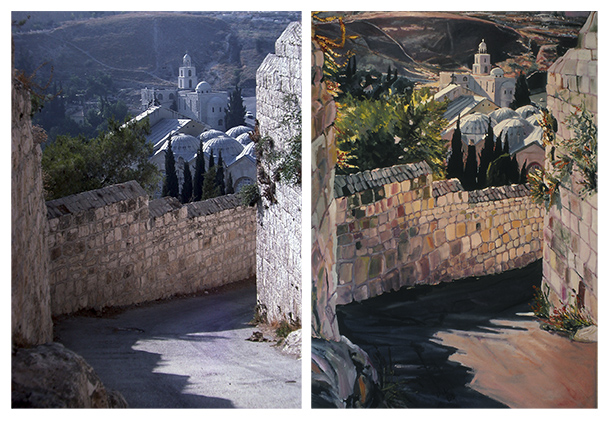
CHURCH OF SAINT MARY MAGDALENE & GARDEN OF GETHSEMANE – 1982 – oil on canvas
This painting was commissioned, paid for and then returned back to me as a gift, when my patron’s new girlfriend took against it. It could even yet prove to be the first and only painting I sell twice!

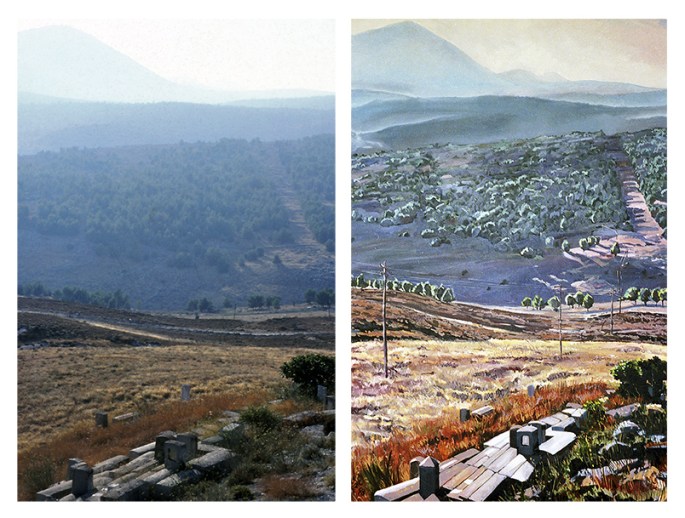
While I’d already been using photographs for the past year or so as a form of rough reference, in the same way I worked from my sketchbook, David convinced me  to try something “bolder”, in his words, but hugely controversial; especially within such a temple of conceptualism and abstract expressionism as Saint Martin’s. He suggested that I take my favourite photographs and copy them as faithfully as possible in oils, like huge painted photographic enlargements. He felt certain that in this way I would find the inner artistic peace I was craving.

MOUNT MERON FROM SEFAD – 1983 – oil on canvas
In a similar way to the Casino painting below, I seem to have slightly shifted the angle of the tombstones, and altered the line of telegraph poles – I’m guessing to increase the sensation of being drawn down into the valley, before being swept up again toward the distant mountain.

And cutting a long story short, David’s empathetic advice proved successful, even though the pictures I went on to produce with this new method ensured that I would prove even more of a problematic enigma for most of his colleagues. Presented here are several of the large canvases I painted as a direct result of David’s tutelage. Some them have appeared on this site before, but never side-by-side with the “offending” snaps! 

THE OLD BRITISH CASINO – HAIFA – 1985 – oil on canvas
In some ways this is the most faithful photographic copy I made in the entire series of pictures (the removed fisherman notwithstanding), yet the subtle shift in angle and perspective is stark – and effective – I think?

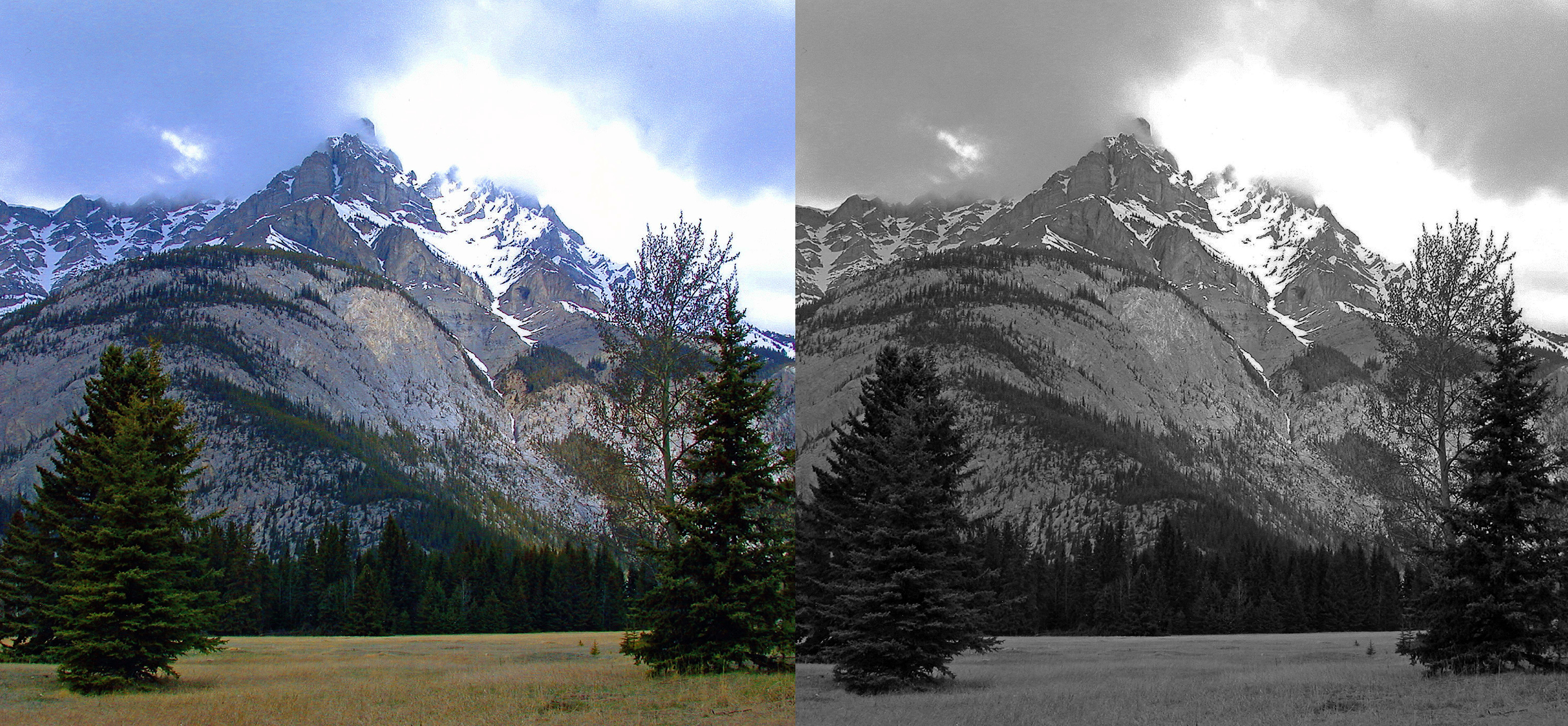
ADAM IMITATING ADAMS – and the sublimeness of black and white

It’s always intrigued me that the greatest photographs of landscape ever taken, by the incomparable Ansell Adams, were all in black and white. To this day, when scenes of Yosemite or the Grand Tetons enter my my mind’s eye I invariably see them in Adams’ deeply contrasted, brooding monochrome. For me, as for so many others no doubt, American Sublime is at its most sublime in Adams’ black and white.
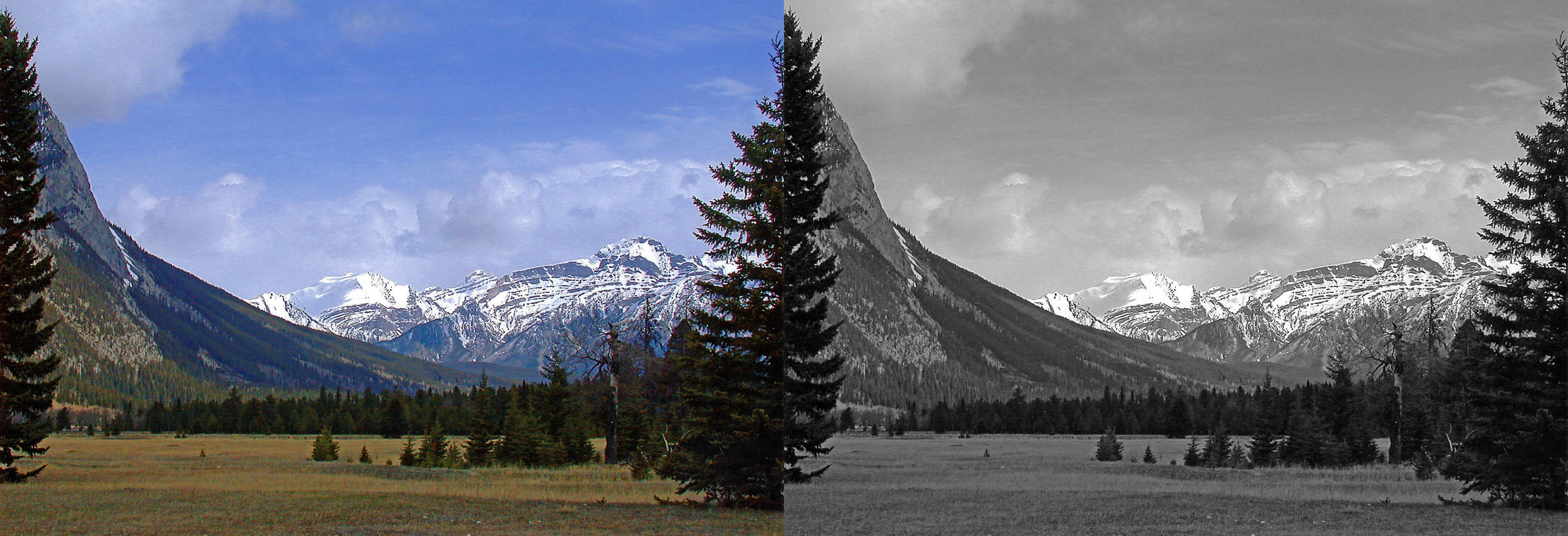
Banff Mountain View 1p.jpg

Hence, it might surprise some to know that with the advent of Kodachrome film in the late 1930’s, Adams also took thousands of pictures in colour. His main reason for not publishing most of them seems to have had something to do with the lack of control he felt had over the finished image. Whereas with his black and white work he had total mastery over the entire process, he found colour film (especially early colour film) unreliable as a medium of his vision.
Banff Mountain View 3 p.jpg

Bearing this in mind, it would be fascinating to know what Adams would have made of the digital photographic world of today? While I suspect, in common with many current “film-purists”, he would have been inherently suspicious of film-less images, I also think it’s possible at least, that he would have been equally intrigued by the almost limitless control offered by tools like Photoshop. Whether or not he would have been sufficiently titillated to swap the darkroom for the desktop I somehow doubt, but it’s fun to ponder.

Banff Mountain View 4 p.jpg

Apart from the fact I share the singular form of Adams’ surname as my forename, my own photographic offerings have little in common with the great late master, either as to quality or as to ambition. However, the hypothetical conundrum I pose for Adams above, is something that I, and thousands of my contemporaries – professional and amateur – have actually had to confront. In my own case, I at first resisted the transition from film to digital, until one day, during the early 90’s, a retired professional photographer friend scanned an old film of mine, for me to “play with” using the hitherto unemployed Corel software on my Gateway computer. I was hooked within moments and traded in my old Nikon film camera for a Nikon digital camera the next day. And, over the subsequent years, as I’ve gradually upgraded both my camera and my computer software, I’ve never once regretted the decision.
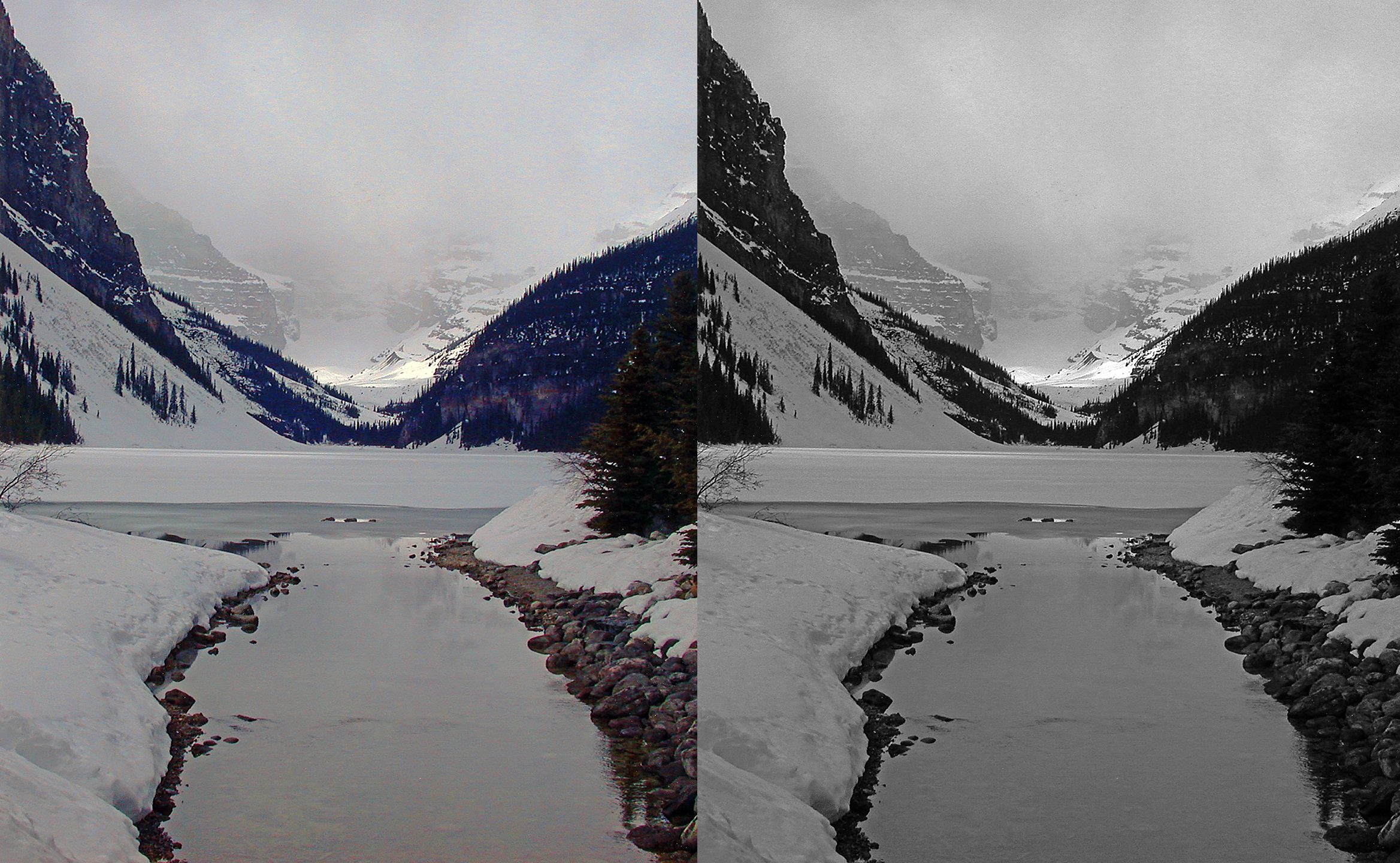
Lake Louise C p.jpg

The photos here were taken on that first, crude Nikon digital camera, and remain to this day the closest I’ve ever got to emulating Ansell Adams himself – at least with subject matter (the scenery around Banff in the Canadian Rockies) if not in quality. They are presented in their original colour form, side-by-side with Photo-shopped monochrome twins. I upped the contrast to deepen the shadows and dramatise the tones in an attempt to give them a more “Adams feel”, and to see whether I would prefer them, or the original colour images. In the end, for me at least, there is no contest, and thus much to consider for my future landscape photography…

(Camera used: Nikon Coolpix 990)
WINTER WONDERLANDS – ITALIAN STYLE sepia memories of a magical trip

The travel destinations I have liked most have had two things in common; good food and drink, and dramatic landscape. For me, these are the two essentials that not only ensure an enjoyable trip, but also make me want to return again and again.

1 Cresta Yula
Cresta Yula

Thus far in my life, no country has consistently epitomised those two qualities more than Italy, and one trip there in particular stands out for me as an exemplar.

2 Setting off from Hel Brunner
Setting off on Hel Brunner

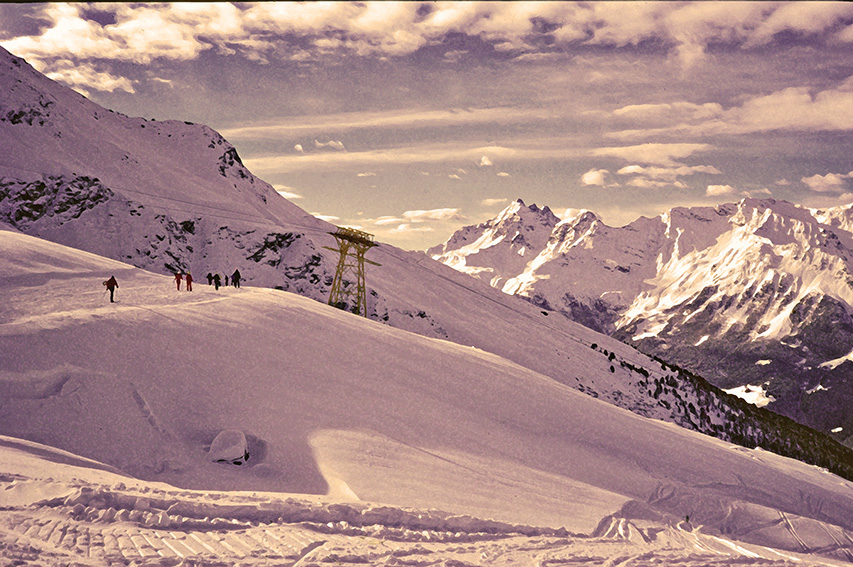
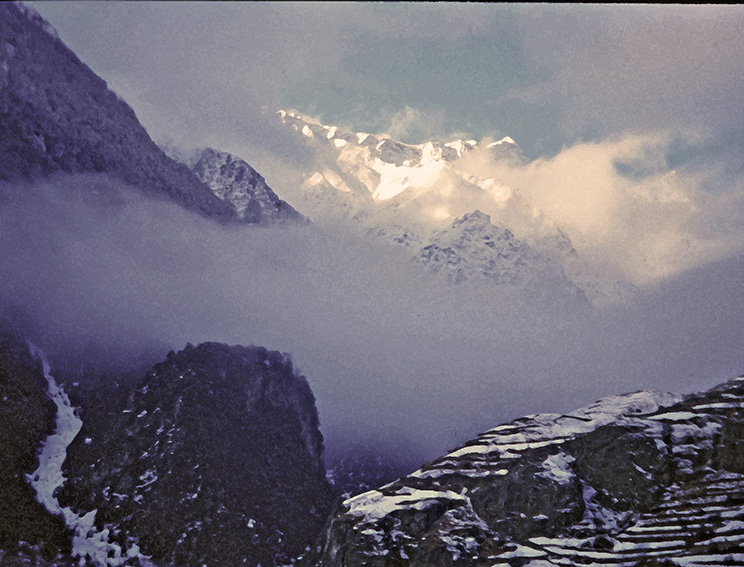
During the late 1970’s and early 1980’s I was fortunate enough to ski Christmas and New Year at the Italian Alpine resort of Courmayeur. And although the skiing itself was not particularly challenging, this was more than compensated for by Courmayeur’s spectacular location at the foot of Western Europe’s tallest mountain, Mont Blanc (Monte Bianco) and the hearty, local Valdostana cuisine. Days spent skiing through landscape straight out of a Martini commercial, followed by evenings dining on rich chamois stews washed down with copious amounts of black-red Nebbiolo wines made for exceedingly happy times.
3 Monte Bianco from Courmayeur
Mont Blanc (Monte Bianco) from Courmayeur

Then, in 1981, I had an Italian girlfriend from a village near Cremona, only a three-hour drive from Courmayeur, and so decided to take a few days off from skiing to visit her.

3 Garda Dusk
Girl and Garda Dusk

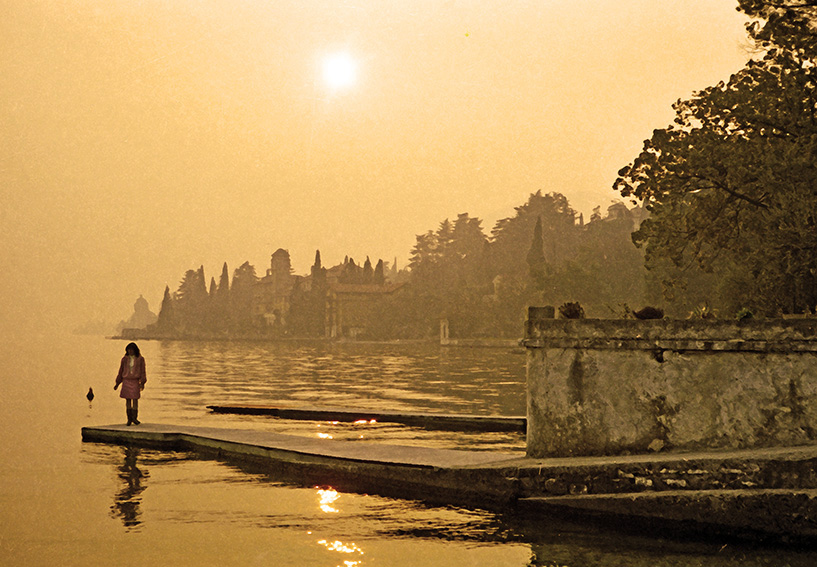
She, in turn took me to her family apartment on the shores of Lake Garda where we spent an idyllic 48 hours where, among other wonderful things, I had my first taste of genuine Italian home cooking. But even more special than the food was the fact that we had the magisterial lake, and its enchanting winter light all to ourselves.

4 Lake Garda
Lake Garda

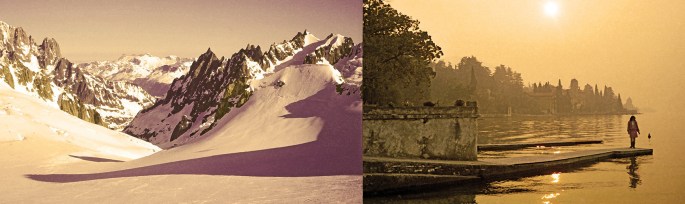
Fortunately I had my camera with me for both parts of what transpired as a trip of two deeply contrasting parts. The pictures presented here are digitally enhanced, sepia-filtered examples of some of the photographs I took then, designed to emulate my memories of a special time…

6 Girl at Garda
Garda Dusk

Israelis at large…1977-1991

One of the things I’ve really been enjoying here in Sweden is playing with all my new toys, including my aforementioned fabulous slide scanner. Its main purpose is to get my years of artwork digitally recorded and logged, but it’s also helping me rediscover thousands of my old general photos.

Between 1977 and 1991 I visited Israel about a dozen times and I never went there without at least half a dozen rolls of high quality slide film.∗ The pictures included here (presented in no particular order) cover most of those seventeen years and present a portrait of a diverse and multi-textured little nation.

∗Cameras used: Canonet 28 and Nikon FE / Film used: Kodak Ektachrome and Agfachrome.