Padua is most famous in the anglophone world at least for being the setting for Shakespeare’s The Taming of the Shrew, but its true importance lies in its role as one of the oldest and most important university cities in the world.
Arguably, the home of modern western medicine – indisputably the cradle of modern pathology – with strong associations to the likes of Galileo and Copernicus it’s legacy as a historic centre of scientific learning is only surpassed by Cambridge. (This is particularly interesting when one realises that Padua University emerged from Bologna University in a way very similar to the way Cambridge emerged from Oxford – at about the same time.)
However, as a warning to the prospective visitor to Padua, it should be noted that for all it’s academic glories (and a couple of fabulous artworks by Giotto and Donatello) it falls far short of most of its city neighbours so far as things like charm and gastronomy are concerned. Nevertheless, like all Italian towns, it finds a way to smile back when one points a camera at it.
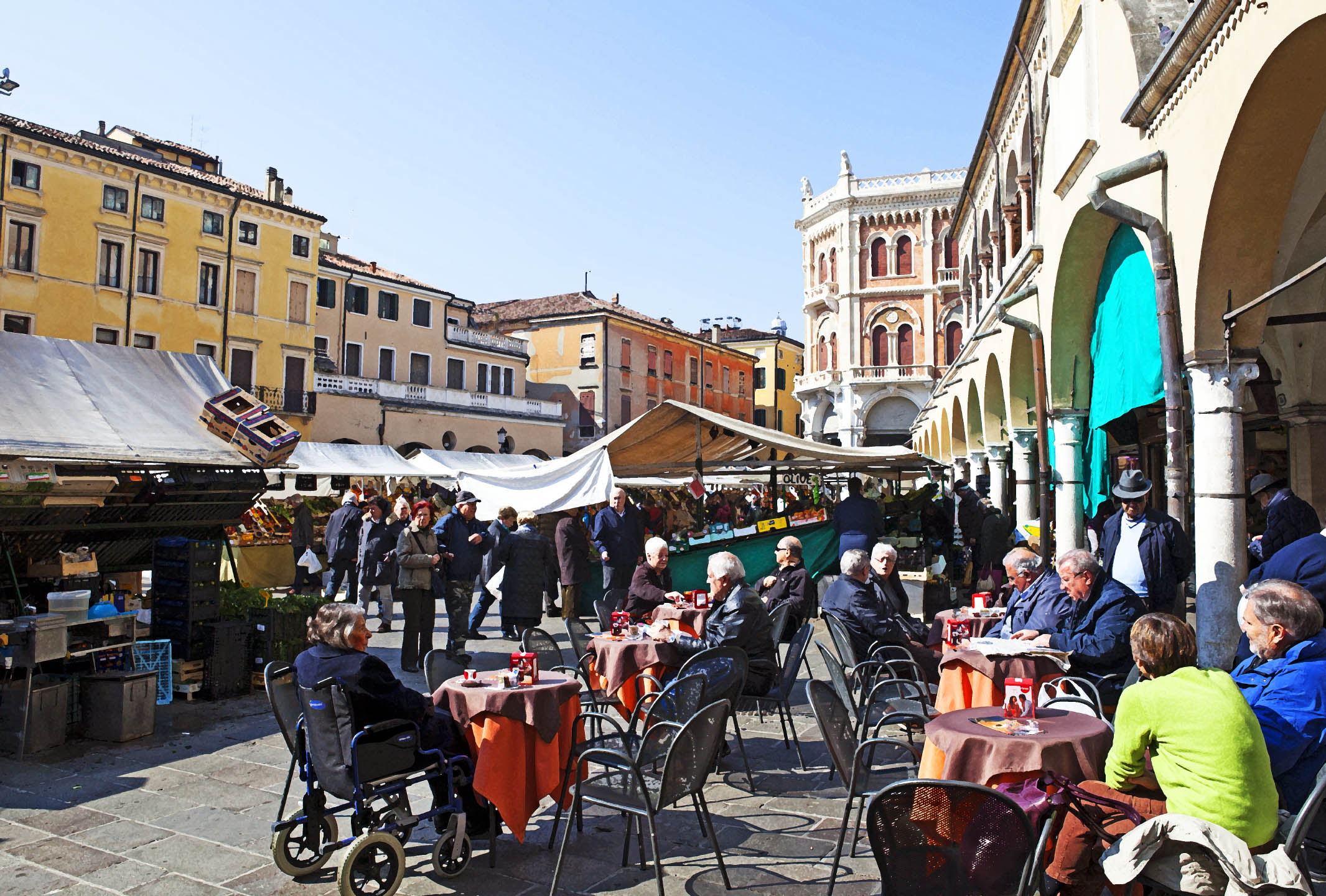
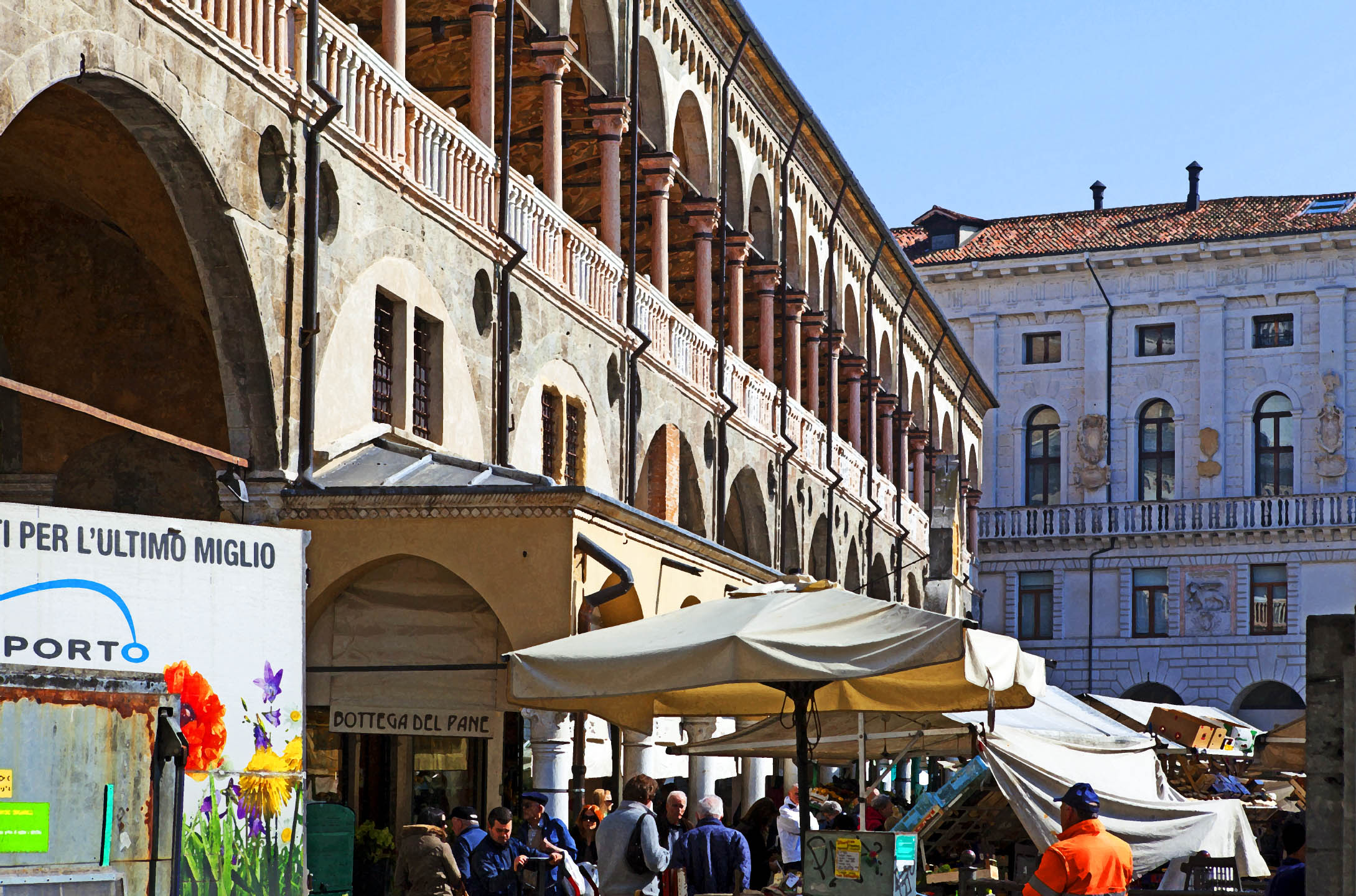
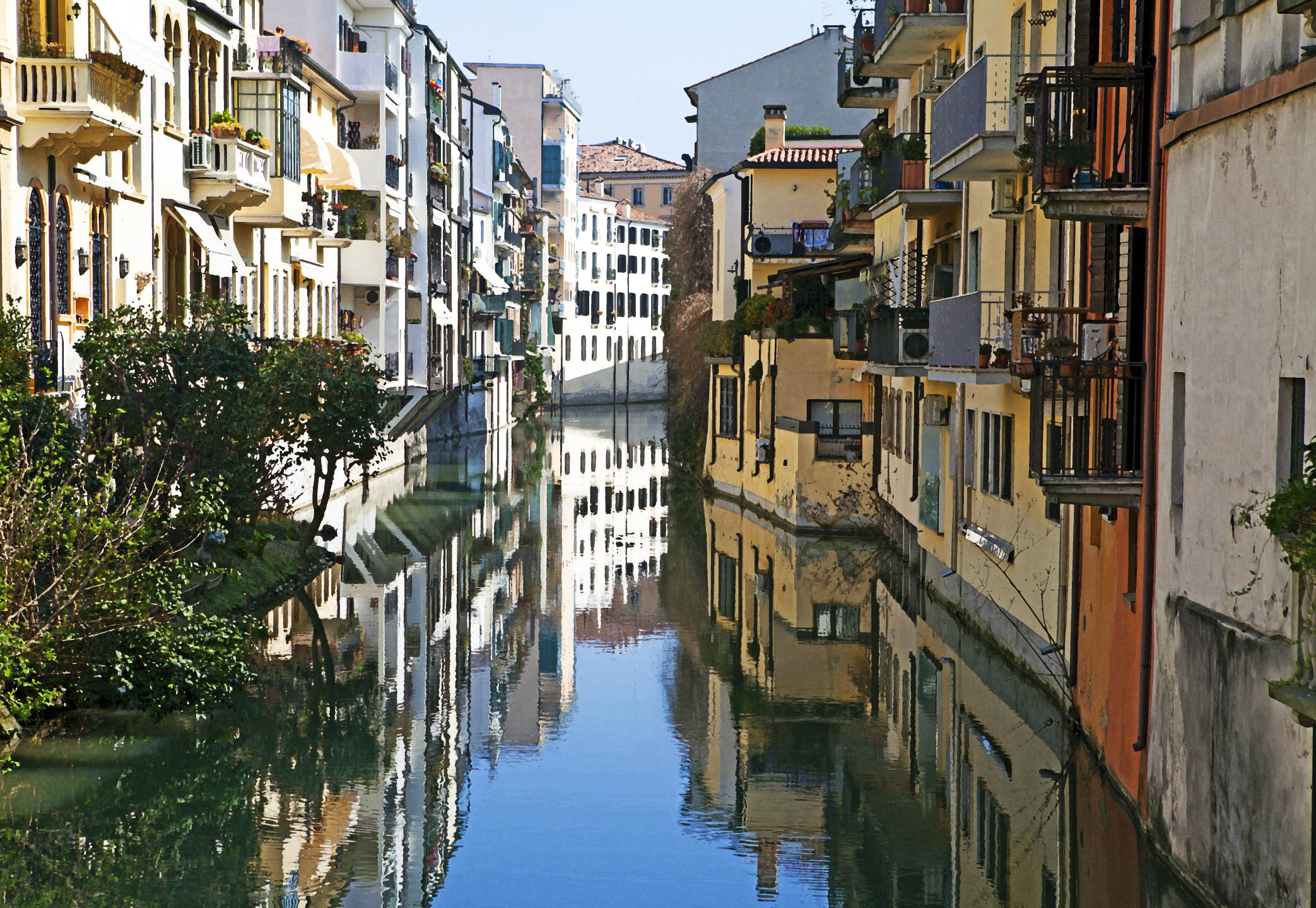
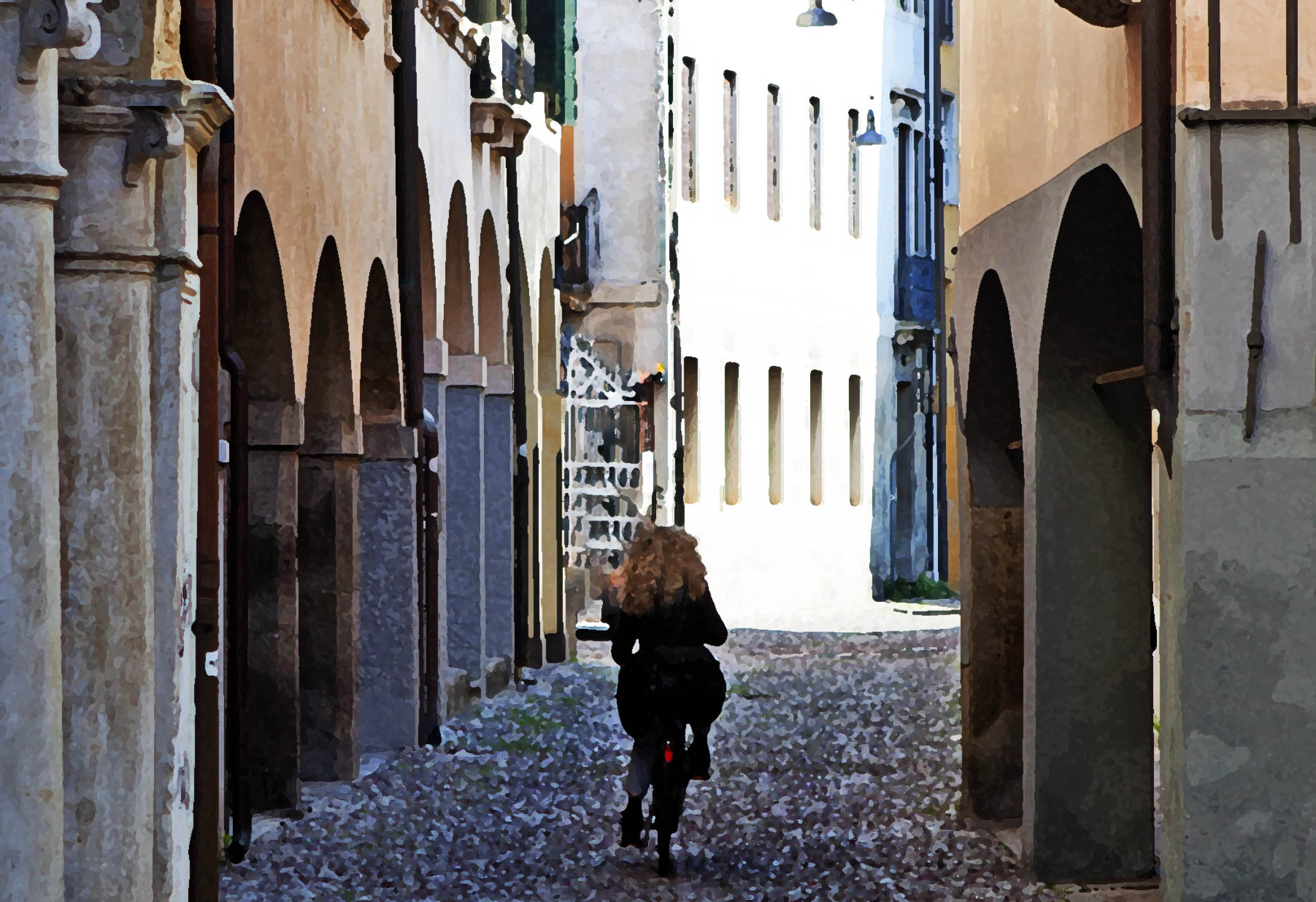
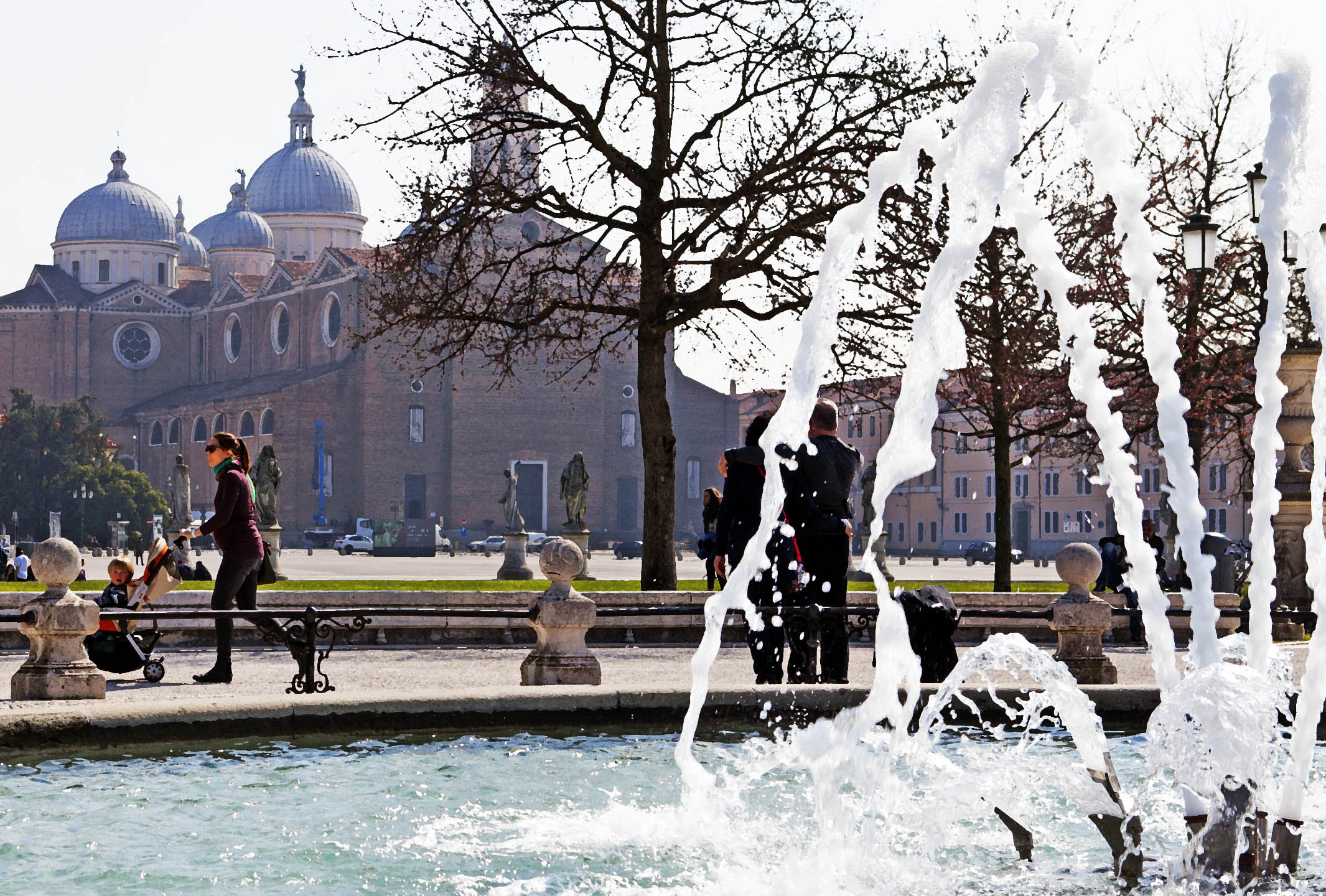
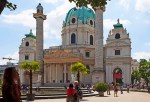
Presented here are a series of enhanced photographic images through which I make an attempt to transmit the feeling of a stroll through Padua’s cobbled streets and along her narrow waterways…
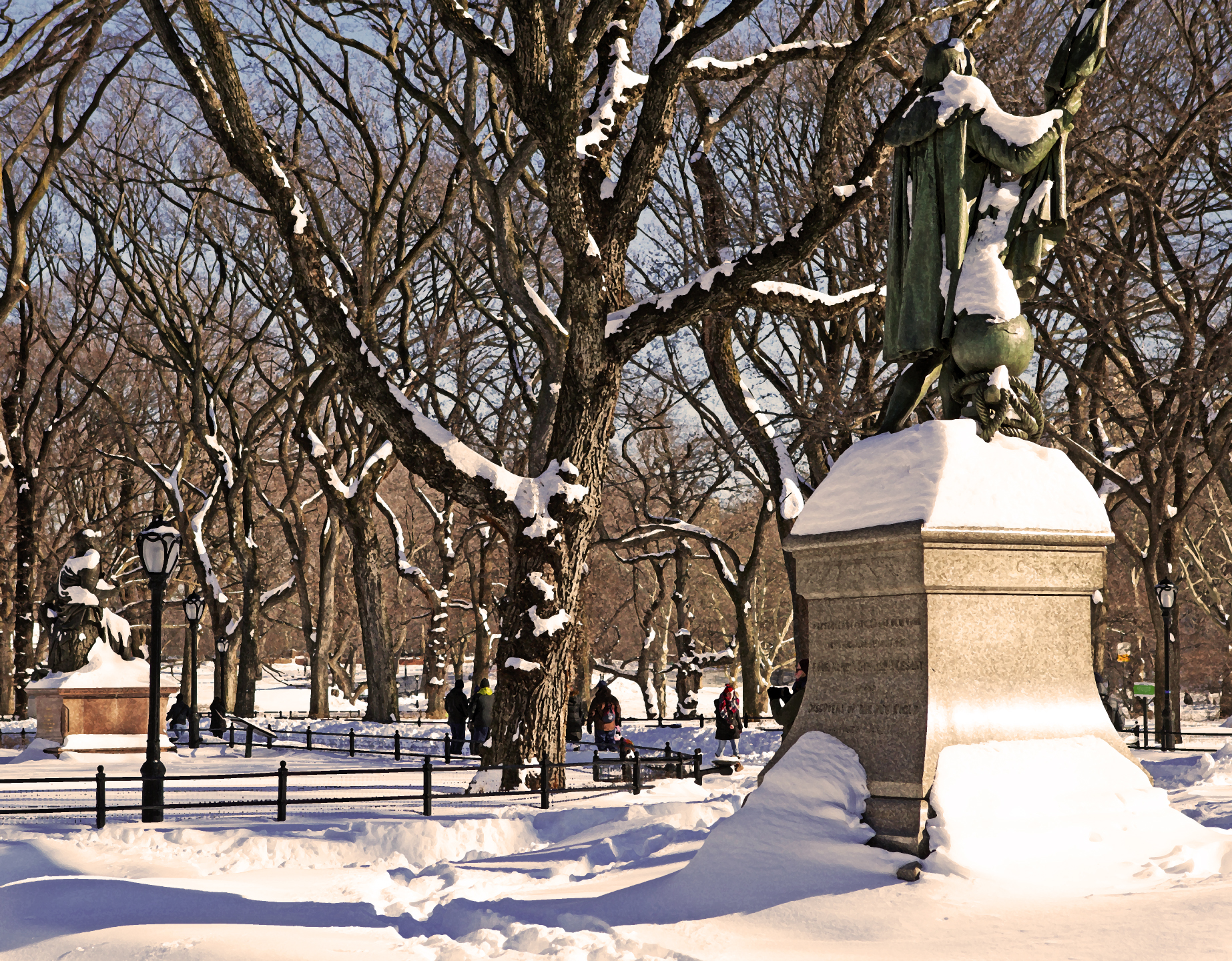
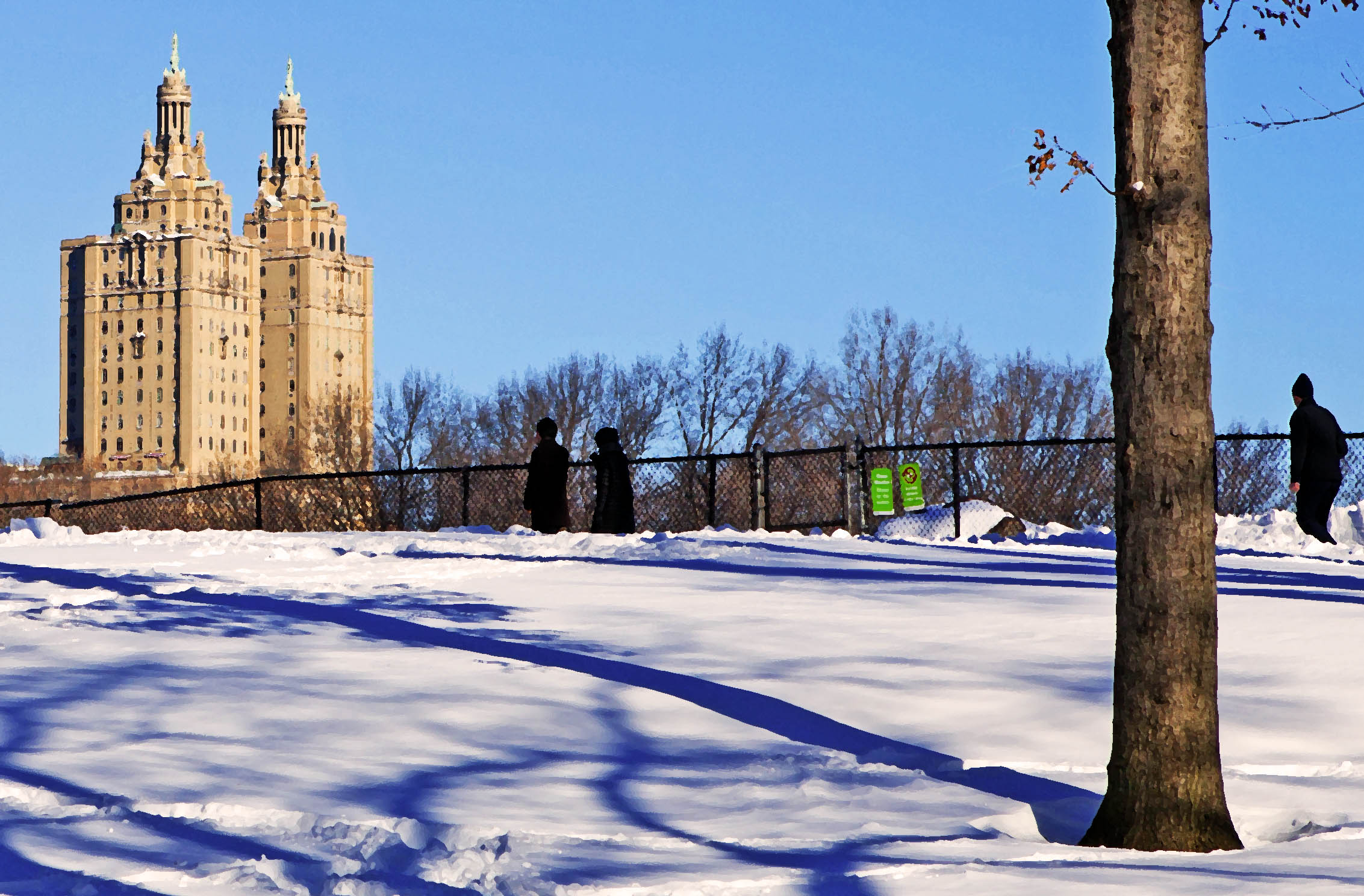
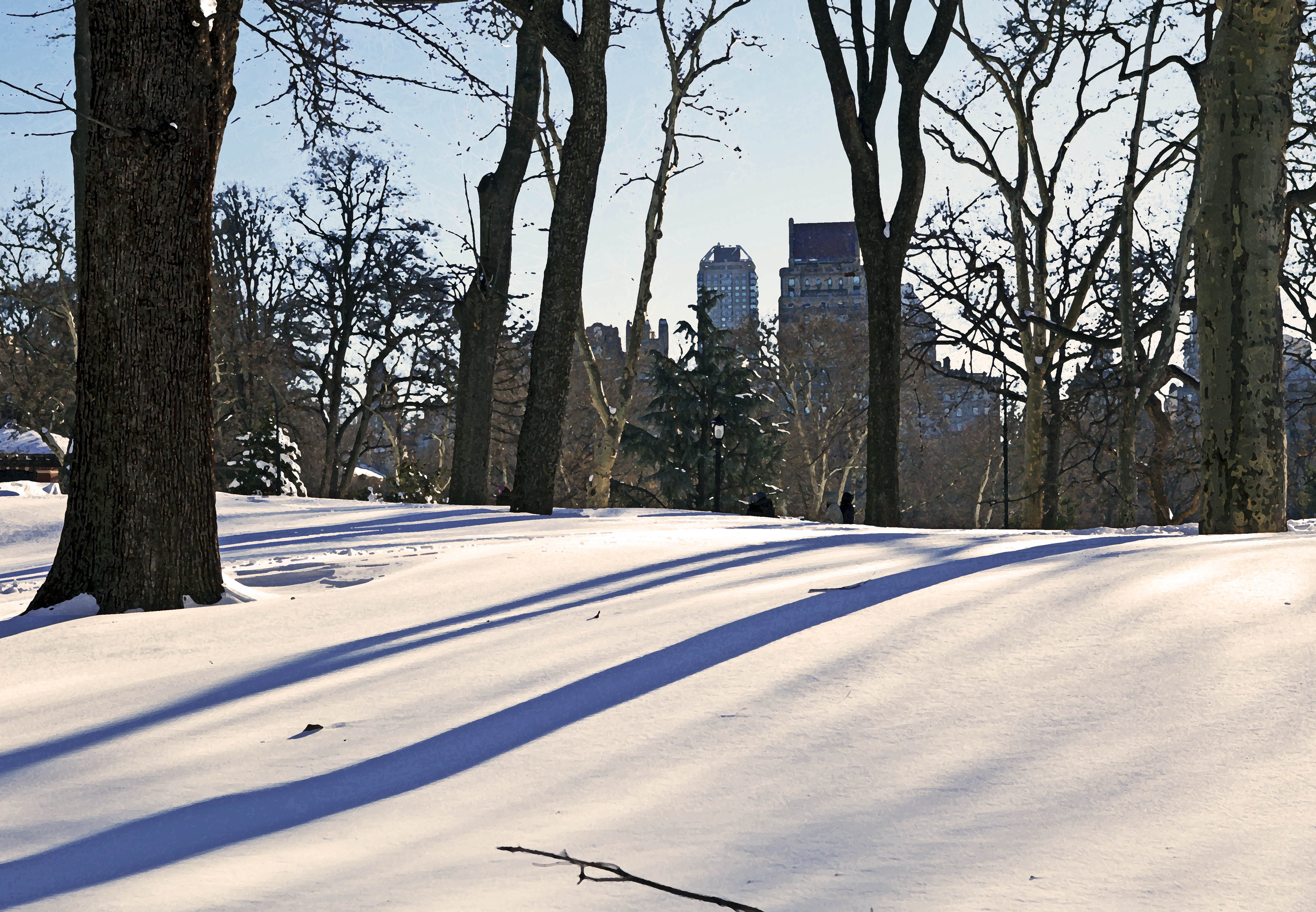
I thought that a lifetime of watching movies and TV series based in New York would have prepared me for my first visit to Central Park. But all the Kojak, all the Law and Order and all the Sex in the City in the universe could not have anticipated the blizzard of January 2016 and its magical transforming effect.
So, instead of a stroll through one of the world’s most famous urban “green” spaces, we found ourselves trecking through a pristine winter landscape.
Fortunately, unlike the evening before when I had left my camera in the hotel (see previous post “The Big White Apple“), this time I was prepared and here are some of the results…
I’ve been making greetings card designs and images for decades now – initially doing freelance work for greetings card companies and poster publishers and more recently producing images for my own Moody By Nature label. Over the years I’ve done everything from cartoon smut (professionally referred to as “erotic humour”) to soppy Christmas and birthday penguins and polar bears (yes, you can probably blame me for the proliferation of penguin cards from the 90’s onward). Lately though, I’ve been busy with more photographic based themes and images.
Here is a small selection from a series I somewhat blandly titled curiosities, for obvious reasons.
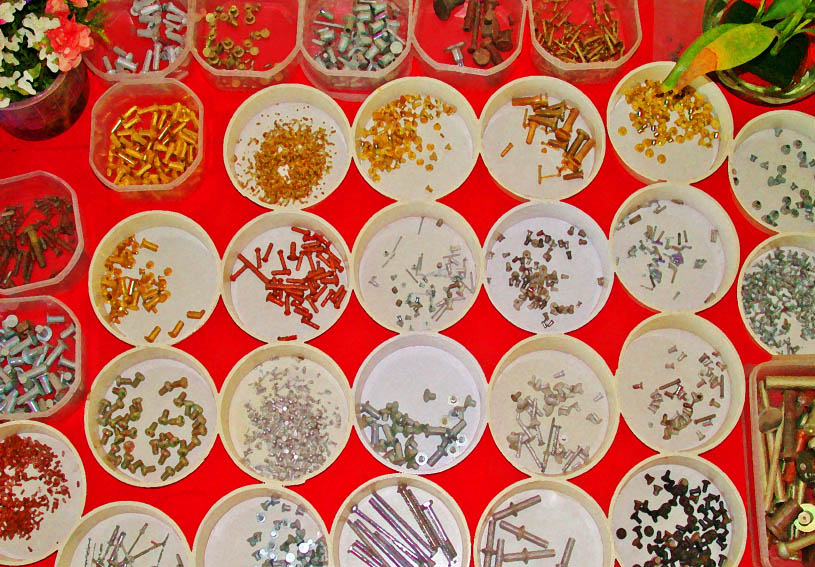
“Bolt Masala” is from a photo I took in a metal engineering factory reception office in Coimbatore in southern India – hence the “masala” connotation.
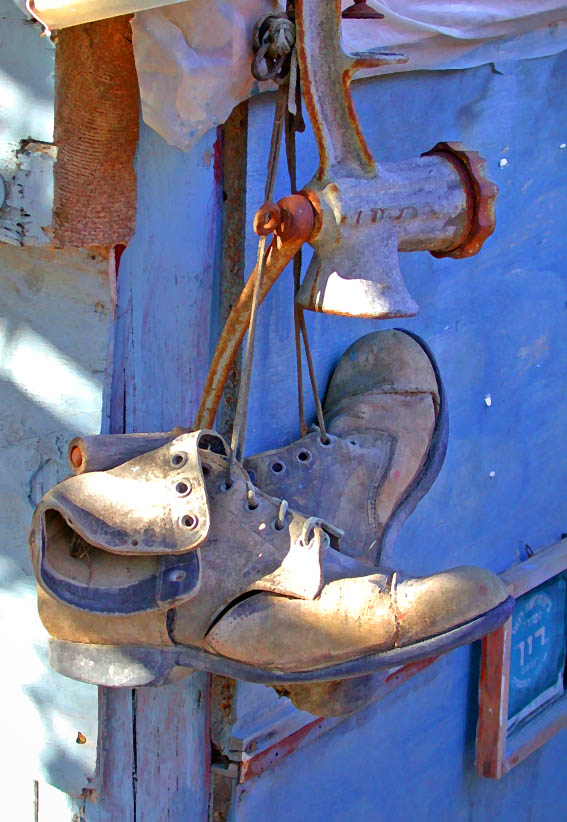
I spotted the old boots suspended by their laces for “Good Use” in the delightful artists village of Ein Hod on Israel’s Mediterranean coast. It’s proven popular both as a retirement and as an anniversary card…
…as has “Growing Old Together Gracefully” (as an anniversary card that is!) which displays two venerable phone boxes in Hampstead.
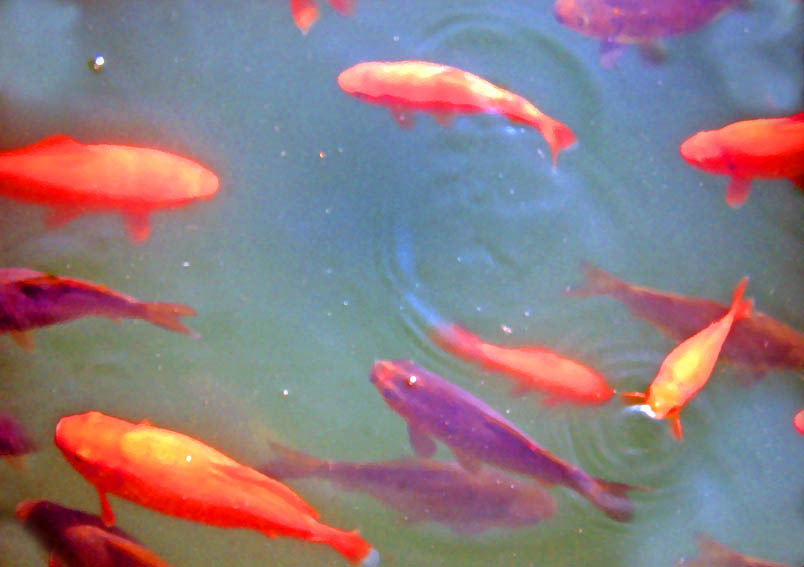
“Pond Life”was snapped in the exquisite Alcazar gardens in Seville.
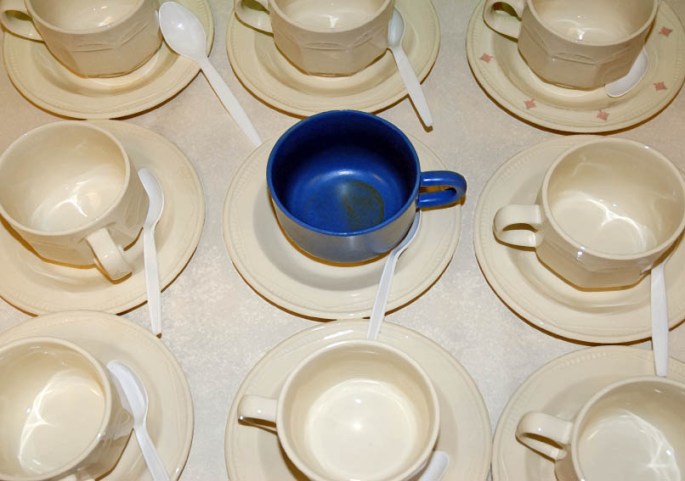
I was struck by the image of “The Blue Cup”in the unlikely setting of Sherwood Forrest – more famous for hosting the “merry men” in Lincoln Green.
Finally, I saw the yellow balloon languishing in a puddle on the Regent’s Canal towpath (north London) on “New Years Day” 2011 – having lost my dear mother barely three months before it seemed like a poignant metaphor for the past year…
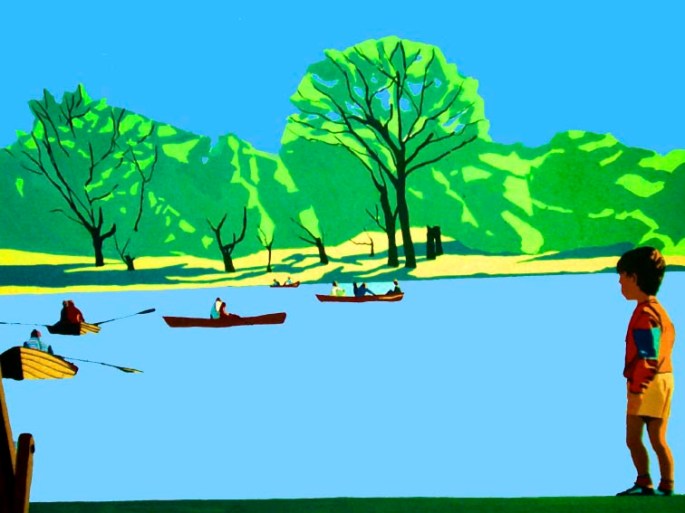
For a while during the late 1980’s and early 90’s there was a resurgence of classic poster design in British commercial illustration. For about ten years add agencies got a nostalgia pang for the poster images of the early half of the century—especially the great travel posters of companies like Cunard and P&O.
Photo-sourced images, distilled into simple, screen-print-like blocks of colour were once again all the rage which meant for me, as a keen exponent of the form, a fairly regular stream of commissions.
One of these days, when I’ve completed the transfer of all my old work copy onto a digital platform I’ll put up one or two gallery posts showing the sort of stuff I did for the likes of Thomas Cook and Legal & General.
For now, here is a small gallery of highly disparate images I made for my own pleasure and exhibition.
They comprise a truly odd bunch, including as they do some kind of anti-communist poster (can’t recall if it’s aimed at Russia or China?) and a slightly weird self-portrait of me looking very miserable (suffering with heat-stroke) at a bus stop in Israel. Somewhere, I have dozens of colour slides of many more, less quirky; mostly travel related images which are now all happily sold. They too await digital conversion.
Sadly, of all the Near-Eastern kingdoms of the late 11th early 10th centuries BCE, one of the few to shun the services of visual artists were those of Israel and Judah. Even during their later years, when they had established dynasties under the likes of Omri and Ahab, so far as we know, they never went in for recording themselves and their deeds other than by the written word.
So, when I came to illustrate my book on King Saul – the very first king of All-Israel (Israel and Judah), the only thing I had to go on for authentic pictorial reference was from the neighbouring contemporary empires and kingdoms from around 1020 BCE. The closest geographically and in time were the friezes of the Egyptian Pharaohs of the 21st Dynasty and the Kings of the early Neo-Assyrian empire. Then, I tried to imagine myself as King Saul’s court artist, working in their style and with their kind of materials.
I ended up with the ten plates you see here, in their original “mosaic” form. I thought the mosaic effect added somehow to their feeling of authenticity however, my editor at Lutterworth did not agree, and went with the “smooth” versions. See what you think…
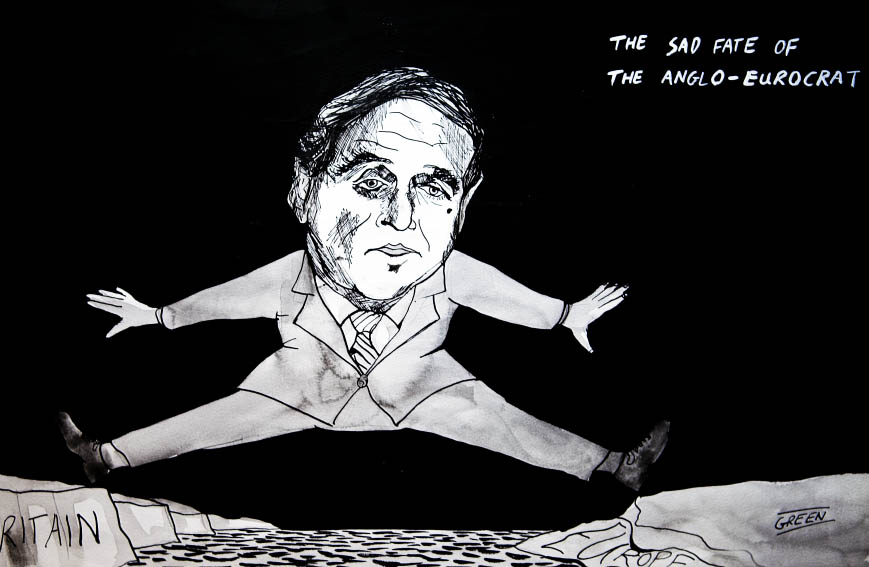
In the late 1980’s when I was still doing a great deal of cartooning and comic art, someone – but I can’t recall who – suggested that I send in some of my politcal cartoons to the broadsheet newspapers to see if they were interested. However, as I was well aware, most newspapers had long-established relationships with their main leader cartoon artists, so I knew that the chances of dislodging any of them were very slim.
But there were two factors that gave me a little hope.
I knew that the Daily and Sunday Telegraphs had failed to replace Nicholas Garland with another leader cartoonist since his leaving the paper in 1986 and I also had the moral backing of the ex-Thatcher home secretary, Kenneth Baker, whom it so happened was /is an avid collector of political cartoons, and who’d seen and very much liked my work, and expressed as much in writing.
So I decided to give myself a project of doing a leader-style cartoon for the main news story of each day of a single week and then send them in to the Telegraph.
Sadly, nothing came of the enterprise. The Telegraph people were very polite and told me that they had just given the post to a new artist on a permanent basis, but that I should try again, should the position ever become vacant in the future. As rejections went, it was one of the better ones I ever experienced in all my creative incarnations, but I never did get around to re-submitting news-cartoon artwork to the Telegraph, or any other publication.
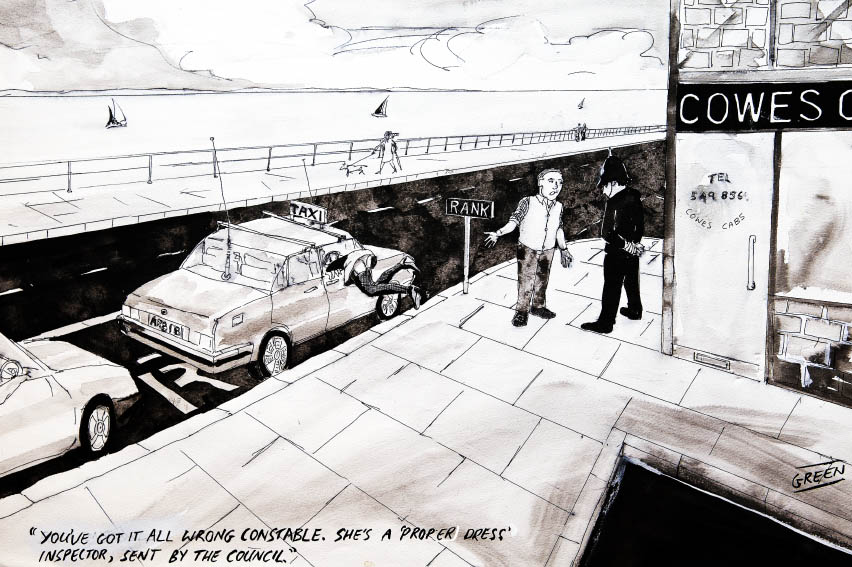
Unfortunately, I seem to have misplaced four of the seven cartoons I did that week (it might be that I sent them to Kenneth Baker as a thank you, but I’m not certain), so I can only reproduce three of them here.
If anyone can remember the stories or the period I was covering with these I’d be most grateful for a reminder. For what it’s worth, looking at them now, I think I did a mean Leon Brittan – and not many people can say that!
And yes…as one or two of you who know us have noticed, Dido and I (plus a girlfriend of Dido’s) were the models for most of the characters portrayed. Much hilarity was had by all during the photography and as for the photos themselves – well, they’re indescribable! But that’s another story…
As an illustrator my most lucrative commissions, pro-rata, were for advertising agencies. I rarely earned less than the equivalent of £500 per day and often considerably more than that, and this was back in the 1980’s. But there was a catch; a burdensome and irritating trade-off, which was having to deal with the agencies themselves and especially the members of the “creative-teams”. These “creatives”, often genuinely brilliant and yes, creative, young people were, more often than not, hampered by their competing egos, their manufactured passion for the job at hand and their -oh-so-cool agency “patois” made them highly ineffective givers of briefs.
Briefs were generally muddled and unclear, and always – but always – the artwork was required yesterday at the latest. I can honestly say that in the dozen or so jobs I did for agencies I can’t recall ever being entirely sure of what I was supposed to be doing, and nearly always having to do it through the night to have it ready for the courier the next day.
By contrast, although book covers could also pay very handsomely, for most book illustration work one earned peanuts; On one particular job for Cassell Illustrated I had to do a finely drawn and coloured pen and ink reconstruction of a Templar castle. The research, acquiring of photo-reference material and actual making of the picture took me the best part of three weeks. I was paid the grand total of £150! But despite this I nearly always enjoyed the work. Most publishing house art directors were – or had been – illustrators and artists themselves and had had an instinctive knowledge of how to give clear and lucid briefs. Similarly, time was never a major issue, being determined more by the scale of the illustration job itself rather than purely commercial considerations.
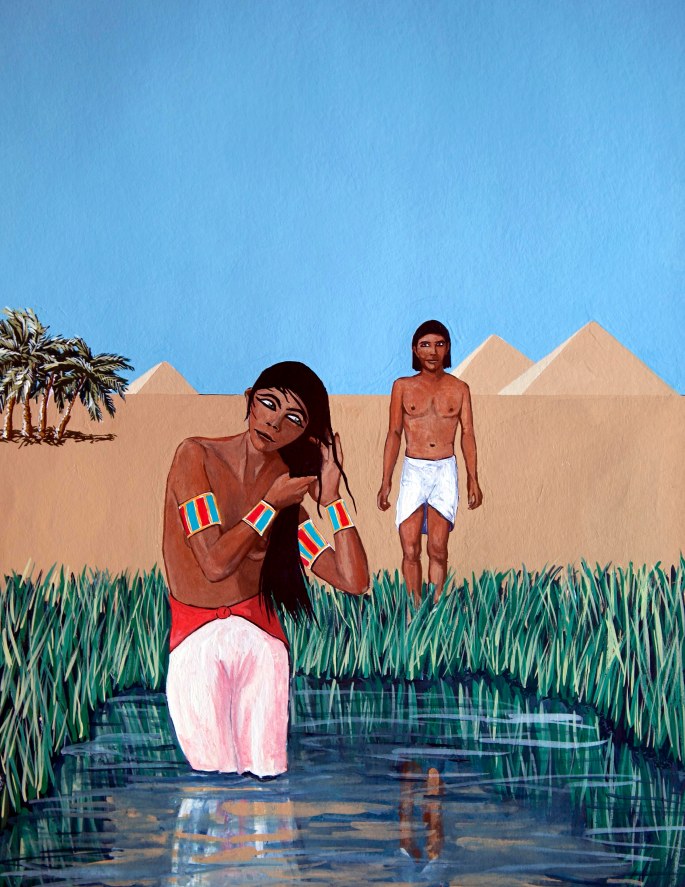
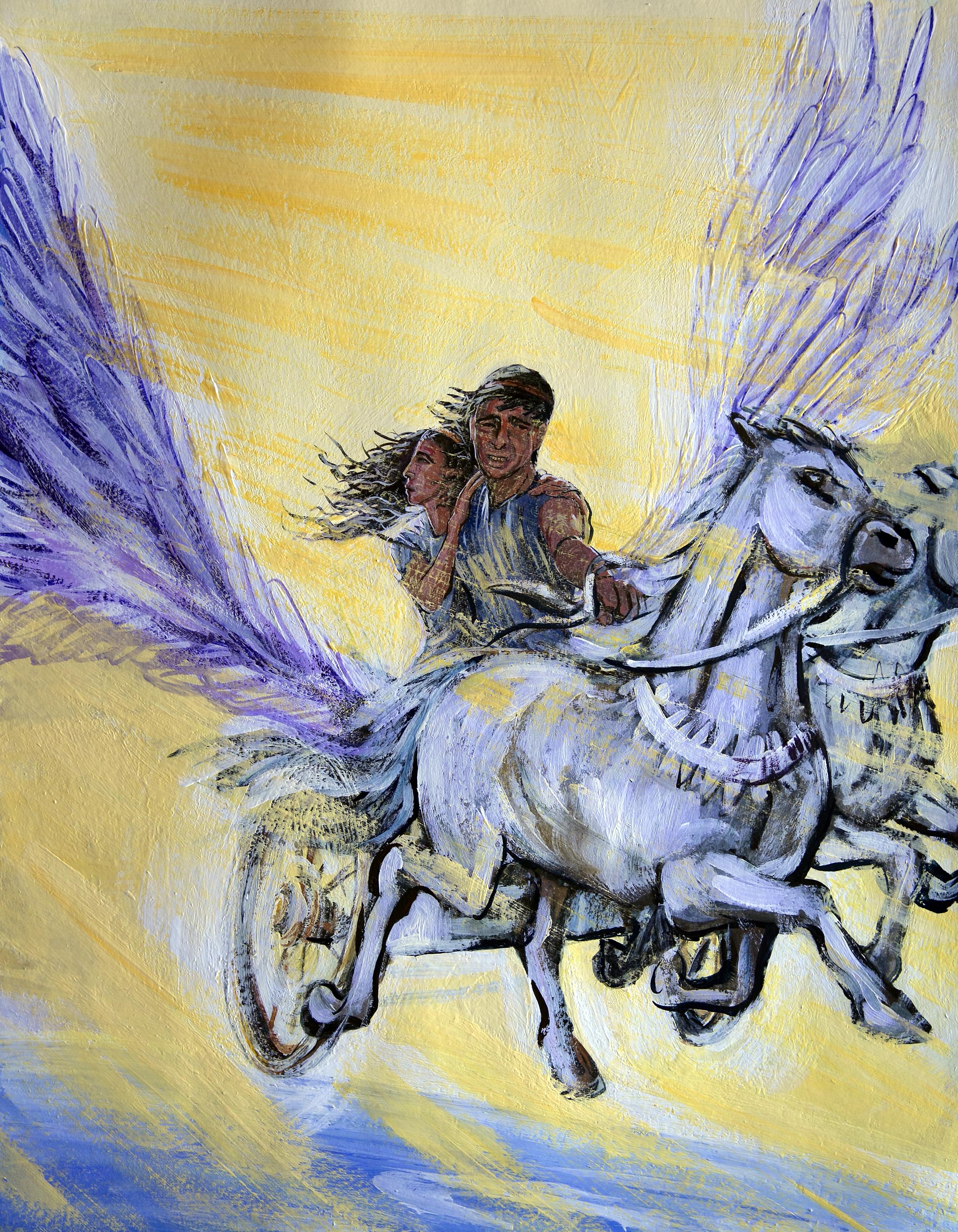
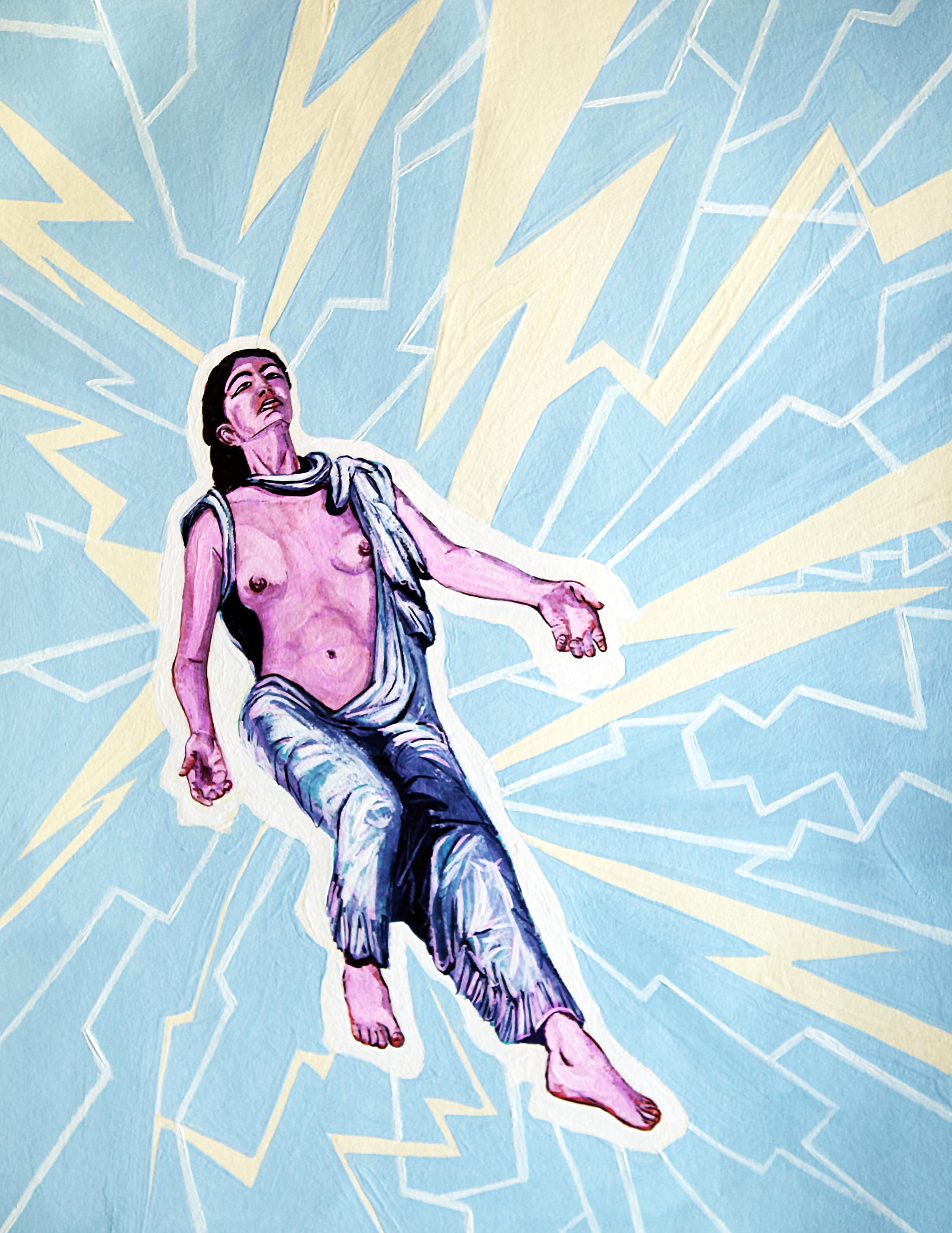
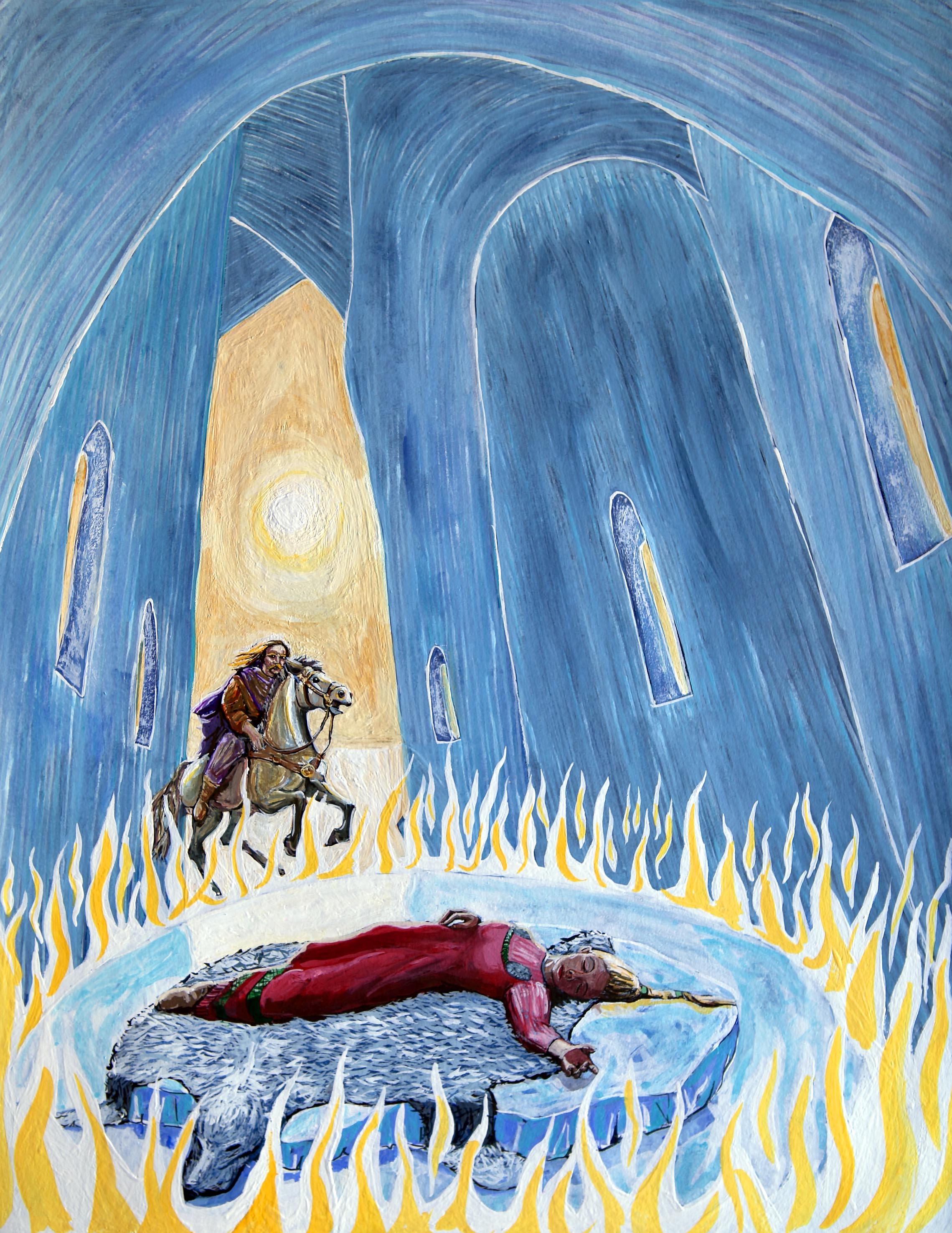
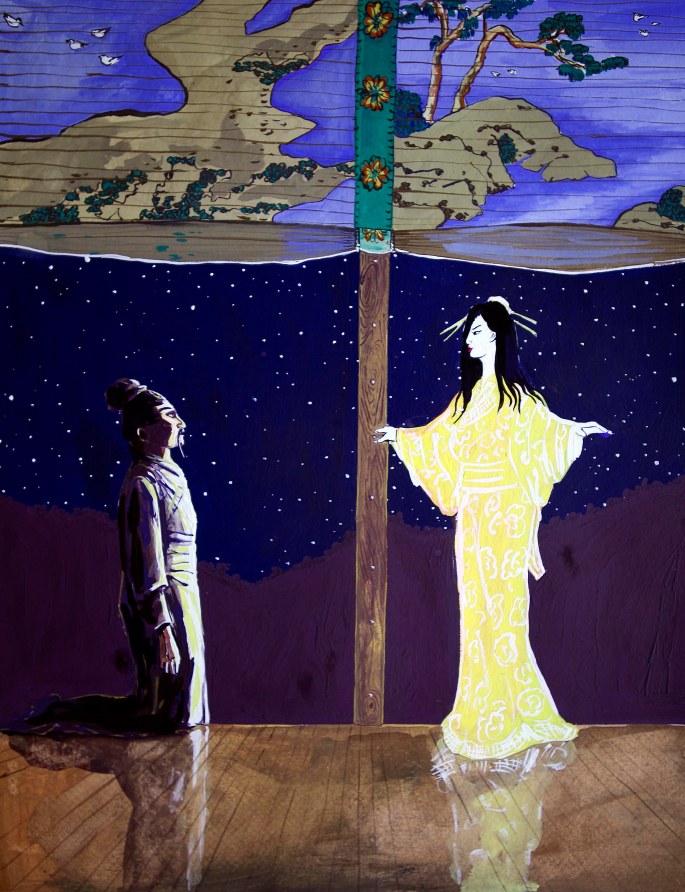
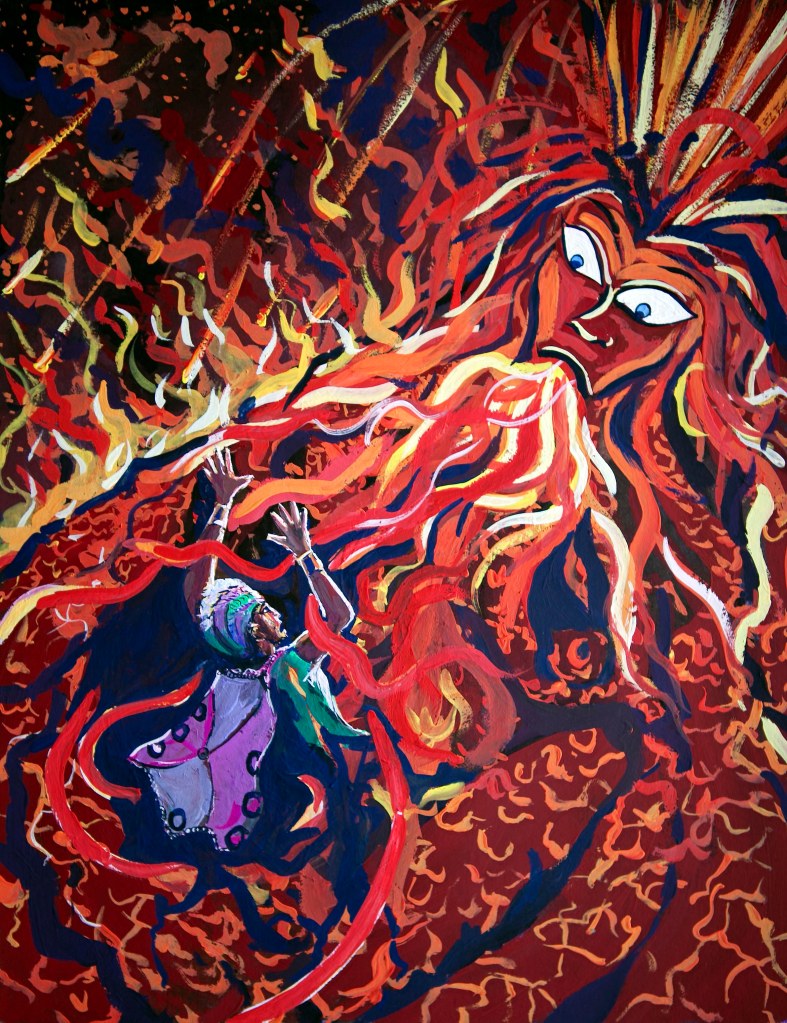
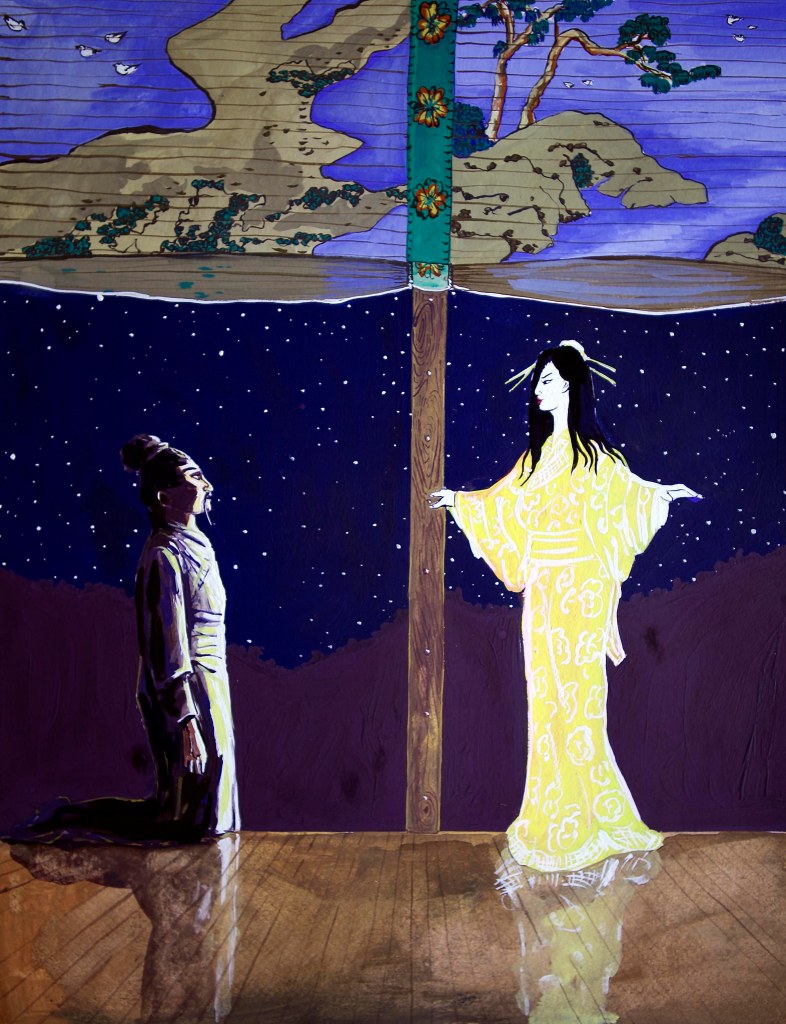
One such job in the summer of 1998, which turned out to be my final excursion into illustration, was something of an epic. I was commissioned, again by Cassell Illustrated to make a series of 16 gouache colour plates to front each chapter of a book called “Mythical Lovers”. The author, Sarah Bartlett, was/is a well-known astrologer who had compiled and written a coffee-table history based around 16 ancient and iconic love myths from around the world.
After the job was completed and I had been paid I left illustration for good, and rarely gave Mythical Lovers another thought. And because I no longer required a portfolio it was the only job for which I never received or asked for finished copy.
Then the other day, I was going through the drawers of my old plan-chest here in Spain and I came across my original gouache plates – all sixteen of them, and in a state of perfect preservation, and thought what a curious subject they would make for my next “gallery” post.
I’m showing them intwo groups of eight and I’d be interested to know what people think of them. For me, it’s a reminder of just how versatile one had to be as a commercial illustrator – the “session musicians” of the visual art world…
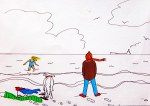
The parable contained here is obvious; that a love of long distance, wild-water swimming and extreme myopia are a dangerous combination.
Those of you who know my wife Dido will be aware that this combination exists strongly within her person and the strip below tells the tale of what once nearly happened because of it. Just a couple of things to point out; firstly, the actual swim happened at La Serena on the Pacific coast of Chile, and not on a cold winter’s day in the UK – my point at the time (I made these comics in 1994) was to highlight Dido’s love of freezing conditions. She was one of those strange people who used to break the ice of the Serpentine Lake in London’s Hyde Park on New Year’s Day, and once, she even managed to shock a load of hardy Swedes by going for an inter-Island swim near Stockholm, in mid-winter. And secondly (and also obviously), she didn’t actually crash into the oil tanker (let alone sink it), but merely swam far too close to it, causing a crew-member to warn her away using a megaphone.
Aura and I spent many a terrifying hour, just as depicted in the strip, staring out to sea, waiting for Dido to return, which thank goodness, she always did, eventually, though often landing up a mile or so up the coast because of currents and her appalling eyesight.
These days, with the mellowing of age, and out of compassion for me, she only swims “laterally” so that I can keep an eye on her at all times…



































 ARKS, ADAM AND AXARQUIA